
Adlivun: Adlivun is the Inuit underworld where the spirits of the departed reside.
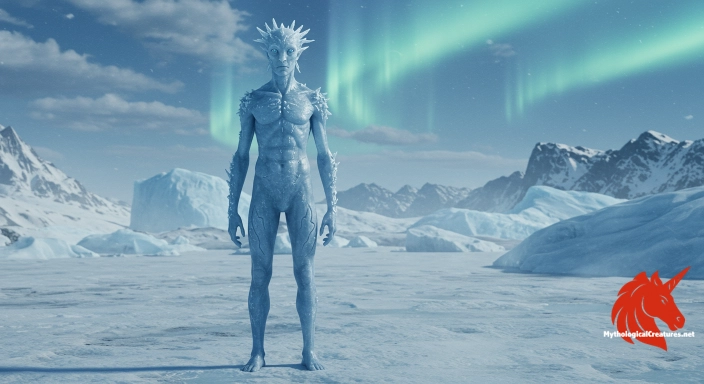
Adlivun
Adlivun - Adlivun is central to Inuit beliefs about the afterlife, serving as the purgatorial realm where souls are purified before ascending to the Land of the Moon.
Origins & First Encounters
Adlivun is a profound and enigmatic realm within Inuit cosmology, representing both the spirits of the departed and the underworld itself. It is conceived as a vast domain underneath both land and sea, where souls are purified before embarking on their journey towards eternal rest. The name, steeped in the language of the Inuit, reflects intimate ties between the living and the spirits who dwell 'beneath us.' Ancient oral traditions and ritual practices form the backbone of its origin, weaving a narrative that has endured through generations. The concept intertwines elements of nature, spirituality, and moral order, emphasising the cyclical nature of life and death. Its early attestations are embedded in burial customs, which include the careful wrapping of the deceased in caribou skins and specific funeral rites. Each element of Adlivun highlights the reverence with which the Inuit regard the natural order and transitions between life and the beyond. Over centuries, the realm has not only embodied the mystery of the afterlife, but also served as a spiritual guide for communal memory and identity. The enduring significance of Adlivun underlines its role as a sacred bridge between the earthly world and the afterlife.
Source Texts & Tale Variants
The narrative of Adlivun comes to us through a rich tapestry of oral traditions preserved by Inuit elders and storytellers. Early ethnographic records and field observations have captured varied recountings of the journey of souls to this frozen underworld. Diverse manuscripts and accounts, albeit fragmentary, provide glimpses into the complex cosmology that underpins this mythic landscape. Multiple versions of the tale coexist, each adding layers of detail about figures such as Sedna, Torngarsuk, and the tornat. Alongside these, the role of psychopomps like Pinga and Anguta is accentuated in different tellings, emphasising the universal task of guiding souls beyond. The manuscripts and travel narratives from explorers offer sporadic insights that blend seamlessly with indigenous oral lore. Variants in the story, including differing burial orientations and ritual practices, highlight both the diversity and the unity within Inuit cultural beliefs. As the myths have been handed down verbally, the dynamic interplay between rigid ritual form and imaginative reinterpretation is central to their evolution. These sources together create a mosaic of insights into one of the most mysterious realms of Inuit spirituality.
Form & Powers
The physical manifestation of Adlivun is depicted as an expansive frozen wasteland, where the stark beauty of ice and snow dominates every horizon. Massive stretches of icy plains and formidable glaciers define its landscape, evoking a powerful sense of isolation and solemnity. Jagged ice formations rise like spectral monuments, as if echoing the turbulent natural forces that govern its creation. A perpetual winter seems to reign in this realm, accentuating the cold austerity that is both fearsome and majestic. The boundary between land and the submerged depths of the sea blurs beneath layers of ice, suggesting a seamless passage to the world below. Ethereal mists often weave through the frozen terrain, lending an otherworldly quality to the scene. In depictions, the spirits are sometimes seen as wispy, transient shapes that blend with the swirling vapours, blurring the line between corporeal form and fleeting energy. The haunting silence of Adlivun is punctuated by the subtle sounds of shifting ice and the distant echo of a spectral wind, symbolising the eternal vigil of the departed. Every element of its physicality, from crystalline surfaces to deep, shadowed crevices, reinforces the notion of a realm where time pauses in the cold embrace of infinity. The visual impressions of Adlivun serve as a metaphor for both the harshness and the purity of the afterlife.
Regional Faces
The interpretation of Adlivun displays a remarkable diversity that mirrors the varied ecological and cultural landscapes of the Inuit people. Different communities often use alternative names, such as Idliragijenget, each imbued with local significance and nuance. In some regions, the underworld is portrayed as a desolate yet sanctified expanse, while in others it incorporates vibrant elements that speak to a more dynamic spiritual presence. Variations in funeral rites, including the distinct orientations of the deceased based on their age, illustrate regional adaptations of the core myth. The emphasis on purification and the transitional phase before reaching a higher realm differs subtly from one community to another. Local topography, such as prominent ice formations or unique coastal features, frequently plays a role in shaping how Adlivun is visually and spiritually conceived. The roles assigned to deities like Sedna, and the participation of psychopomps such as Pinga and Anguta, can vary with local traditions and environmental influences. Even the rituals of mourning and the symbolic offerings made to the spirits, like the promise of venison, are nuanced by regional customs. Overall, these regional interpretations add layers of depth and variation to the universal theme of the spiritual journey after death.
Cultural Parallels
There are striking parallels between the mythic realm of Adlivun and underworld traditions found in numerous cultures around the world. Much like the Greek conception of Hades, Adlivun is both a resting place for the dead and a realm that transforms souls before they move on to a higher state. Northern European lore, with its depiction of a cold, shadowy realm such as Hel, offers a comparable vision of the afterlife steeped in natural austerity. Even in distant traditions like the ancient Mesopotamian underworld, themes of purification and the cyclical patterns of life and death echo those found in Inuit spirituality. The involvement of intervening spirits who guide the deceased, a role fulfilled by figures like Pinga and Anguta in Adlivun, resonates with similar motifs in other cultural narratives. The physical imagery of a frozen, unyielding expanse mirrors other mythologies that utilise harsh natural environments to symbolise the threshold between life and death. Comparisons with these global archetypes highlight a common human preoccupation with understanding the mysteries of mortality. These cross-cultural connections serve to broaden the significance of Adlivun, showcasing it as part of a universal dialogue on the afterlife. Each tradition, while unique in ritual and symbolism, converges on the idea that the passage from the realm of the living to a mysterious, hidden domain is both necessary and transformative. The enduring appeal of such themes across disparate cultures underscores the complex human sentiment towards death and rebirth.
Legacy & Modern Evolution
Over time, the vision of Adlivun has evolved, seamlessly blending ancient spiritual insights with evolving cultural narratives. The traditional rituals associated with death, such as wrapping the deceased in caribou skin and the specific orientations of burial, have maintained their sacred significance even as communities adapt their practices. Modern reinterpretations often cast Adlivun as not only a metaphysical destination but as an enduring symbol of transformation and renewal. Contemporary Inuit artists and writers draw on the imagery of this frozen underworld to explore themes of loss, memory, and resilience. The myth has also been reimagined in performances, installations, and literary works, thus bridging the past and the present. In a world increasingly interested in indigenous wisdom, Adlivun serves as a reminder of the deep connection between nature, spirituality, and the human experience of transition. The evolution of its narrative reflects both a continuity of ancient beliefs and an openness to reinterpretation in response to modern realities. As younger generations rediscover these traditions, the legacy of Adlivun continues to inspire discussions about mortality, cultural identity, and the enduring power of myth. The transformation in its portrayal—from a rigid ritualistic domain to a dynamic symbol rich in metaphor—demonstrates the timeless relevance of the Inuit spiritual heritage.
Interesting Fact
Adlivun uniquely blurs the lines between a place and its inhabitants, symbolising the inseparability of the natural world and the spiritual realm in Inuit belief.
Advertising opportunity
Showcase your mythology project
We offer limited sponsor placements for books, courses, games, and creators aligned with our audience.
View partnership optionsQuick Creature Info
Origin:
Associations:
Our Mythic Legendary Rating:

Also Sometimes Known As:
Habitat:
Supernatural Powers:
Physical Attributes:
Abilities:
Behavior:
Lore:
References
Discover Another Mythical Legend You May Not Have Heard Of?
Uncover the mysteries of ancient folklore and expand your knowledge of legendary beings from cultures around the world.
Dare to Meet the Galene....
-85ce5bbc-1b1d-4c1a-b9f8-d2e41e419a32_small.webp "Depiction of Galene")
Curated by the Mythological Creatures Team
Series editor: Mythological Creatures Directory
Primary desk: Americas & Indigenous Traditions Desk
(rev. November 2025)