
Adroanzi: The Adroanzi are guardian and nature spirits from Lugbara mythology known for their dual appearance as small humanoids or water snakes.

Adroanzi
Adroanzi - Represents the interconnectedness of nature and the ancestral realm, protecting travelers and sacred natural sites while enforcing cosmic order
Origins & First Encounters
In the vibrant tapestry of Lugbara mythology, the Adroanzi emerge as multifaceted spirits who straddle the realms of nature and the afterlife. Their origin stories are deeply intertwined with the divine, presenting them predominantly as the cherished offspring of Adroa, the principal deity revered by the Lugbara. Some traditions, however, intricately portray them as born from Adro, a shadowy, more earthly facet of divinity, adding layers of complexity to their character. They appear as both guardians and omens, symbolising the ever-present tension between nurturing and destructive forces. Historical attestations, passed down orally through generations, capture the enigmatic duality of these beings. Their affinity for natural landmarks such as rivers, lakes, and rain groves further emphasises the Lugbara’s intrinsic bond with the environment. The Adroanzi also serve a pivotal cultural role as mediators between the realms of the living and the dead. Their narrative has evolved over centuries, reflecting the community’s evolving relationship with both nature and spiritual existence. The enduring myth serves as a living reminder of the ancient beliefs that continue to influence contemporary spiritual practices. Ultimately, the Adroanzi stand as a compelling emblem of the interconnectedness of life, death, and the natural world.
Source Texts & Tale Variants
The lore surrounding the Adroanzi is sustained through a rich body of oral tradition and ritual recitations that have enchanted generations. Traditional storytellers and shamans have long preserved the vivid accounts that describe these spirits with both awe and caution. Some of the earliest narrative fragments emerge from communal gatherings, where elders would recount tales that blurred the lines between moral instruction and mystical wonder. Over time, these stories were adapted and refined as they passed from one generation to the next, resulting in intriguing story variants. Early anthropologists and folklorists later captured these oral histories, providing glimpses into the ancient beliefs of the Lugbara people. The written accounts complement the oral tradition by offering an alternative perspective on the dual nature of the Adroanzi. While some narratives accentuate their protective and benevolent aspects, others warn of the lethal consequences of breaking sacred taboos. Variations in the storytelling reflect regional and temporal differences, highlighting the fluidity of myth over time. Each version, regardless of its focus, contributes to a rich mosaic of understanding that has both mystified and inspired its community. Thus, the sources range from ancient chants to modern reinterpretations, all underscoring their enduring cultural significance.
Form & Powers
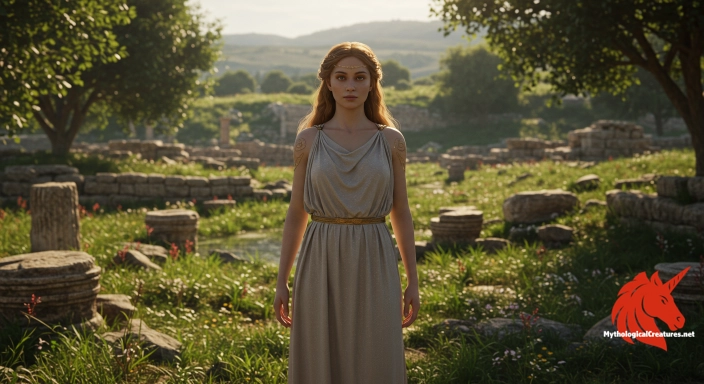
The physical manifestations of the Adroanzi have been described with diverse and striking details that capture their ethereal essence. In some traditions, they are depicted as diminutive human figures, embodying the features of small men and women who possess an otherworldly grace. Their countenance is often imagined as delicate yet penetrating, with eyes that shine with an enigmatic, almost spectral light. In alternative depictions, these spirits transmute into sinuous water snakes, their scales gleaming under the moonlight and their movements as fluid as the water they frequent. This fluidity of form not only symbolizes their closeness to nature but also hints at their ability to slip between the tangible and the unseen. Such dual imagery—humanoid and reptilian—highlights the inherent ambiguity of their nature. Some accounts even attribute them with a spectral glow, a sign of their connection to both the life force and the realm of the dead. Their elusive appearance is further accentuated by size variations, where even a slight shift in perspective can alter perceptions of their enormity or insignificance. As guardians of both landscapes and souls, the Adroanzi are portrayed with an intricate blending of human vulnerabilities and otherworldly ferocity. Consequently, their diverse physical descriptions serve as a mirror to the multifaceted, unpredictable spirit of the natural world they protect.
Regional Faces
In the various regions where Lugbara culture is prevalent, the Adroanzi take on localized characteristics that reflect the unique environmental and social landscapes of those areas. Certain communities, for example, place a heavy emphasis on their role as benevolent protectors in the more fertile and water-abundant regions. In contrast, groups living in harsher, arid environments emphasise the perilous side of these beings, warning that even a fleeting glance might invite a fatal consequence. Localised myths have adapted the personality of the Adroanzi to suit community needs, with some describing them as essential guardians during seasonal transitions. Regional rituals sometimes invoke these spirits to ensure protection during long journeys or when venturing into mystically charged sites like ancient groves and riverbanks. Variations in ritual practices, local taboos, and even the times at which these spirits are believed to be most active, all underscore the adaptability of the myth across different cultural geographies. In some areas, the Adroanzi are intertwined with agricultural rites and are thought to command the rains that nurture the land. The diverse regional interpretations reveal how the same mythic essence can be reimagined to address the local relationship between nature, danger, and blessing. This localisation of myth demonstrates the enduring interplay between universal themes and specific cultural identities. Ultimately, the regional variations of the Adroanzi enrich the broader tapestry of African mythology by offering multiple lenses through which their mystery is understood.
Cultural Parallels
When paralleled with similar mythological figures, the Adroanzi share a fascinating kinship with nature spirits found across various cultures. Their dualistic character, capable of both benevolence and destruction, resonates with the faerie traditions of Celtic lore as well as with the capricious nature spirits of Japanese Shinto beliefs. Just as some European water nymphs and elves are revered and feared in equal measure, the Adroanzi embody the paradoxical interplay between nurturing energy and hidden peril. Many cultures have legends of small, elusive beings that safeguard sacred natural spaces, a motif that the Adroanzi vividly bring to life in Lugbara tradition. Like many indigenous spirits worldwide, they operate in the twilight zone between human civilisation and the unyielding forces of nature. Comparative studies reveal that their shapeshifting properties and their dual roles as both protectors and avengers are common archetypes. The narratives surrounding them highlight a universal human attempt to explain the unpredictable tendencies of the natural environment. These cross-cultural comparisons accentuate how similar themes—protection, warning, and transformation—manifest differently yet strikingly similarly across the globe. The Adroanzi, therefore, serve as an important link in the chain of mythic guardians that exist in many indigenous pantheons. By comparing these spirits with counterparts around the world, one gains a deeper understanding of the universal language of myth and symbolism.
Legacy & Modern Evolution
The historical evolution of the Adroanzi myth reflects a dynamic interplay between ancient tradition and modern reinterpretation. Over the centuries, these spirits have been subject to reinterpretation as they transitioned from purely oral tales to subjects of academic and cultural exploration. The image of the Adroanzi has been reshaped by the influences of colonial encounters, anthropological studies, and modern media, which have all contributed to a reimagined role in contemporary folklore. In recent times, their depiction has shifted from solely fearsome entities to symbols of nature’s mystique and resilience. Modern artistic expressions, including literature and visual arts, often celebrate the Adroanzi as emblematic of the deep connection between humanity and the natural world. This evolution reflects broader global trends where ancient mythologies are revived and reframed to address current environmental and existential concerns. Rituals and cultural festivals in some communities now embrace the Adroanzi as a link to ancestral wisdom and as metaphors for natural harmony. Their continuing influence in popular culture and spiritual practices underscores a persistent relevance in the modern era. The narrative of these spirits serves as a bridge connecting the old world with today's dialogues about nature and heritage. Ultimately, the legacy of the Adroanzi is one of enduring transformation, mirroring the ever-changing relationship between human culture and the elemental forces of nature.
Interesting Fact
A striking aspect of the Adroanzi is their embodiment of nature's dual power: they nurture and protect, yet harbor a latent capability for sudden, deadly force when their boundaries are transgressed.
Curated sponsor space
One subtle banner. Thousands of myth lovers.
We offer a small number of curated sponsor spots for relevant books, courses, games, and art. No clutter, just well-matched partners.
Partner with usQuick Creature Info
Origin:
Features:
Associations:
Our Mythic Legendary Rating:

Also Sometimes Known As:
Habitat:
Supernatural Powers:
Physical Attributes:
Abilities:
Behavior:
Lore:
References
Discover Another Mythical Legend You May Not Have Heard Of?
Uncover the mysteries of ancient folklore and expand your knowledge of legendary beings from cultures around the world.
Dare to Meet the Teledice....
Curated by the Mythological Creatures Team
Series editor: Mythological Creatures Directory
Primary desk: African & Diaspora Traditions Desk
(rev. November 2025)