
Aipaloovik: Aipaloovik is an evil sea god from Inuit mythology known for bringing death and destruction.
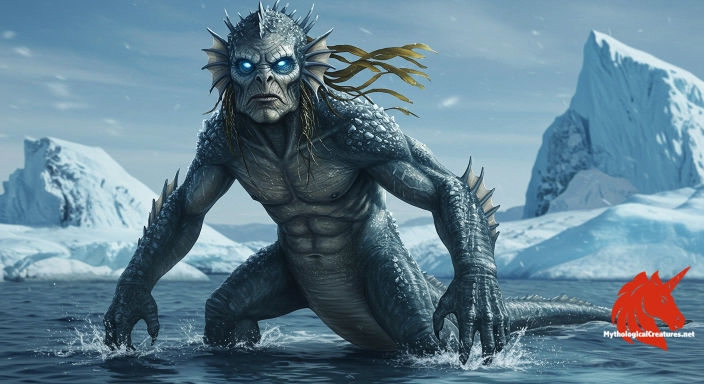
Aipaloovik
Aipaloovik - Represents the perilous and destructive aspects of the ocean and serves as a warning to fishermen.
Origins & First Encounters
Aipaloovik emerges from the ancient tapestry of Inuit lore as a formidable sea deity whose ominous presence embodies the lethal forces of the Arctic waters. His origins can be traced through centuries of oral tradition, where each retelling instils both awe and a sober reminder of nature’s peril. Born out of the harsh and unforgiving climate, his myth reflects the delicate balance between the beauty and the brutality of the sea. He is introduced into the cultural consciousness as a sinister force who wields death and destruction with an almost elemental authority. Early attestations embedded in ritualistic chants and storytelling emphasise his role as an agent of retribution against unwary fishermen. His character is presented as the antithesis of Anguta, thereby highlighting a dualistic perspective on the practices of death and renewal. The vivid imagery surrounding him serves to remind coastal communities of the ever-present dangers lurking in the icy depths. His lore, infused with raw energy and forewarning, continues to resonate as a powerful symbol of nature’s might and unpredictability. The legends compel listeners to heed respect for the natural world and evoke a timeless caution that has transcended generations. His myth, both tragic and formidable, stands as a testament to the enduring human encounter with nature’s darker side.
Source Texts & Tale Variants
The lore of Aipaloovik is rooted deeply in the oral traditions of the Inuit, preserved by elders through storytelling and ritual recitations. His narrative has been passed down through vibrant folklore, where each version is enriched by subtle regional and familial variations. Indigenous storytellers have interwoven his character into shamanic chants and ceremonial recitations that echo the struggles of life at sea. These ancient narratives often depict him emerging from the depths as a force of malevolence with a purpose to enforce cosmic balance. Despite the scarcity of written records, fragments of early narrative cycles have survived in the memories of communities and in modern folkloric collections. Variants of his myth sometimes place him in a broader cosmological framework, aligning him with other powerful deities who inhabit the periphery of human existence. Traditional elders have used his story as both a literal and metaphorical warning about the unpredictable nature of the Arctic. Some accounts narrate his opposition to the more benevolent forces of the sea, thus deepening his portrayal as a harbinger of doom. As modern scholars continue to collect and analyse these oral histories, the many facets of his character are slowly being documented for future generations. The diversity of these sources underscores the dynamic and living nature of Inuit myth-making.
Form & Powers
The physical depiction of Aipaloovik is as striking as it is terrifying, drawing on elements that are both human and beastly in nature. His form is often described as a colossal figure, whose immense size dwarfs mortal fishermen and their fragile vessels. Legends recount that his skin bears the harsh, weathered appearance of ice and salt, carved by the relentless forces of the ocean. His eyes are said to glow with an eerie light, reminiscent of the frozen luminosity of polar nights. Many portrayals include jagged features and broken, almost organic armour formed from elements of the deep such as barnacles and corals. He is sometimes envisioned with elongated limbs and spiny protrusions that serve as a visual reminder of the ravages of ice and storm. The melding of aquatic features with those of a human form creates a creature that is both enigmatic and primal. His silhouette, often emerging from turbulent seas against a storm-darkened sky, provokes a visceral sense of dread. Throughout various accounts, intricate details such as tattered aquatic garments and flowing strands that mimic seaweed illustrate his deep bond with the marine realm. This amalgamation of raw, natural elements in his physical description vividly underscores his role as an embodiment of the sea’s destructive power.
Regional Faces
Interpretations of Aipaloovik vary intriguingly across the expansive regions of the Arctic, each community imbuing him with unique attributes reflective of their local environment. In some coastal communities, he is seen primarily as a destructive force, intimately linked with the treacherous moods of the sea. Other regions present him in a more complex light, sometimes as an enforcer of natural law who exacts punishment on those who defy sacred maritime customs. The narrative surrounding his name and deeds has adapted over time to incorporate local phenomena such as sudden ice storms and tidal surges. Regional lore often highlights his direct impact on the livelihood of fishermen, making him a deeply personal figure in communities dependent on the sea. Linguistic variations across dialects add subtle differences to his description, from his fearsome visage to the specific manner in which he dispenses retribution. Traditional taboos and rituals vary, with some groups invoking his spirit to explain unexplained tragedies at sea. These localized narratives underscore the ways in which environmental challenges and cultural practices shape the interpretation of his myth. Each variant, while unique, contributes to a broader understanding of the unpredictable power of nature. The diverse regional depictions ensure that his legacy remains fluid and adaptable, resonating with different facets of the Inuit experience.
Cultural Parallels
The myth of Aipaloovik invites a broader comparative analysis, drawing intriguing parallels with malevolent sea deities in other cultural traditions. His representation as a force of devastation mirrors the tempestuous aspects of Norse sea gods, where the uncontrollable ocean is both a giver and a taker of life. In many ways, he embodies the archetype of the chaotic maritime spirit, akin to figures such as the Kraken or even the tempestuous aspects of Poseidon seen in Hellenic lore. This shared imagery of water as a dangerous and unpredictable realm creates a cross-cultural dialogue on the nature of the sea. The dualistic roles observed in many mythologies, where sea deities both nurture and punish, find a resonant echo in Aipaloovik’s myth. His depiction as an adversary to more benevolent deities is reminiscent of similar mythic oppositions found in distant cultures. The juxtaposition between the creator and the destroyer in the realm of water is a motif that recurs across continents and epochs. Such comparative mythology illustrates how different societies understand and articulate the fear of nature’s might. In drawing these parallels, it becomes evident that the human experience of living in proximity to the ocean is marked by a universal recognition of its awe-inspiring power. Aipaloovik, therefore, stands as a distinctive yet integrally connected figure within the global pantheon of sea legends.
Legacy & Modern Evolution
The mythological figure of Aipaloovik has evolved considerably over time, reflecting both ancient oral traditions and modern reinterpretations of Inuit culture. His early depictions as a ruthless sea god have been expanded in contemporary retellings to incorporate themes of environmental caution and respect for nature. As documentation of indigenous narratives has increased, scholars and artists alike have sought to capture the complexities of his character in both written and visual media. Modern portrayals often blend traditional imagery with current ecological concerns, casting him as a symbol of nature’s retribution in the face of environmental degradation. His presence continues to influence modern literature, film, and art that explore the intersection of myth and the modern human condition. Exhibitions in cultural museums and indigenous festivals frequently feature his image, ensuring that his legacy endures as part of a broader cultural narrative. Interviews with community elders and recordings of traditional songs have further enriched his myth, presenting him as both a figure of terror and a reminder of ancestral wisdom. Contemporary adaptations also explore the ambiguity of his role, highlighting his complex position as both a punisher and a necessary force in the natural order. This dynamic evolution reinforces the relevance of his myth in discussions of tradition, modernity, and the delicate balance between human endeavours and the raw forces of nature. Aipaloovik’s tale, thus, remains a potent and enduring emblem of the deep interconnection between people and the perilous, ever-changing sea.
Interesting Fact
Despite being an embodiment of death, Aipaloovik’s role in mythology serves as a cautionary tale, highlighting the fine line between respect for nature and the consequences of challenging it.
For myth educators and toolmakers
Built a resource for mythology learners?
If you offer courses, teaching tools, or research platforms focused on myth and folklore, consider a discrete placement on our reference pages.
Introduce your resourceQuick Creature Info
Origin:
Associations:
Our Mythic Legendary Rating:

Habitat:
Supernatural Powers:
Physical Attributes:
Abilities:
Behavior:
Weaknesses:
Lore:
Related Creatures, Tales or Lore
- SSedna
- QQalupalik
- LLeviathan
References
Discover Another Mythical Legend You May Not Have Heard Of?
Uncover the mysteries of ancient folklore and expand your knowledge of legendary beings from cultures around the world.
Dare to Meet the Dzunukwa....
Curated by the Mythological Creatures Team
Series editor: Mythological Creatures Directory
Primary desk: Americas & Indigenous Traditions Desk
(rev. November 2025)