
Alphyn: The Alphyn is a rare heraldic creature featuring a stocky build, tufts of hair, a thick mane, and a distinctive knotted tail with Celtic design.
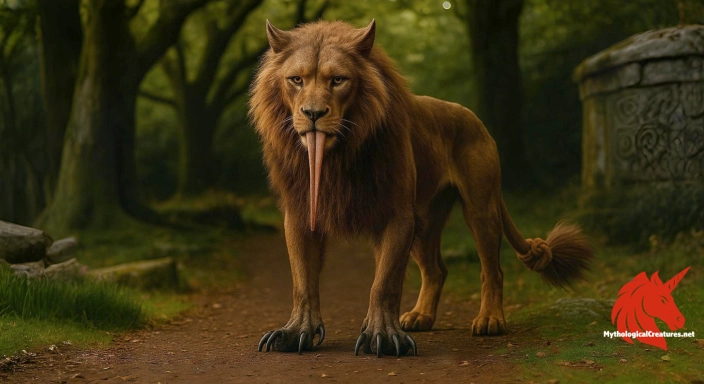
Alphyn
Alphyn - Represents noble lineage and mythological hybridism; used as a badge by the Lords de la Warr
the legend in five swipes.
the legend in five swipes.
The Beginnings of the Alphyn
The alphyn is a captivating heraldic creature that blends elements of natural ferocity with intricate mythical detail. Emerging in the medieval landscape through elaborate heraldic designs, it became renowned for symbolising both valor and nobility across chivalric circles. Its composite design, which merges the strengths of various noble beasts, suggests a deep integration of Celtic and continental artistic traditions. Often appearing on the arms of venerable families such as the Lords de la Warr, the creature’s early attestations reveal its importance in medieval iconographic traditions. Historical depictions show a creature that, while fantastical, was used to communicate attributes of strength and vigilance. Its evolution in the heraldic arena reflects the era’s fascination with hybrids that encapsulated complex ideals of nature and nobility. The alphyn’s presence on banners and in courtly tapestries speaks volumes about its role as a guardian symbol in a turbulent historical period. Over time, this enigmatic animal transcended its initial emblematic function, gradually becoming a statement of artistic ingenuity and cultural pride in heraldry. The creature remains a testament to the enduring allure of myth and the power of symbolic imagery in medieval society.
Which versions of the Alphyn story survive?
Early references to the alphyn emerge from the vivid illustrations found in medieval heraldic manuscripts and celebrated tapestries such as the Milleflour Tapestry in Somerset. Detailed heraldic accounts frequently pair its image with other legendary beasts, reflecting an intent to blend the attributes of the natural and the supernatural. Various manuscript sources offer intriguing story variants, with some depictions showing its forelegs equipped with the talons of an eagle or dragon, while others attribute a cloven, goat-like quality to them. The arms of the Lords de la Warr and similar noble families frequently incorporate the alphyn, underscoring its established role in heraldic symbolism. A curious variant arises from the linguistic connection to the Middle English term alfin, linking the creature to the bishop in chess, which in turn draws upon Arabic influences. Such accounts have sparked debate among heraldic experts, with some traditional texts emphasising its hybrid nature and others noting its divergence from typical zoological forms. Oral traditions in rural Britain and Ireland have enriched these textual sources, adding local embellishments to the creature’s portrayal. In several versions, the alphyn is depicted as a symbol of luck and martial prowess, its shifting features reflecting differing regional allegiances and values. The diversity of primary sources not only highlights the dynamic evolution of its image but also underscores the broader medieval tendency to reimagine natural forms for symbolic purposes.
How powerful did people believe the Alphyn to be?
The alphyn is meticulously crafted with a robustness reminiscent of a heraldic tyger, yet its form is distinctively more compact and muscular. Its body is adorned with tufts of coarse hair that give it a wild and untamed appearance, while a thick, flowing mane traces the curves of its powerful neck, suggesting regality and strength. A striking feature is its long, thin tongue, which adds an element of subtle mystery to its visage. Notably, its tail is intricately knotted, echoing the fluid decorative patterns of Celtic design and symbolising deep-rooted cultural connections. The varying depictions of its forelegs contribute to its enigmatic character; in some portrayals, they culminate in the piercing talons of an eagle or dragon, whereas alternate visions present them with cloven, goat-like digits. In rare instances, illustrations grant all four feet the formidable claws of a lion, reinforcing its association with courage and dominance. Every anatomical detail, from the textured fur to the distinctive limbs, is carefully rendered to evoke a sense of ancient power. The creature’s overall appearance is balanced between the ferocity of a predator and the mysticism of a myth, ensuring that each feature contributes to its symbolic gravitas. This synthesis of disparate animal traits creates a visual narrative that is both hauntingly familiar and intriguingly otherworldly, a hallmark of medieval heraldic art.
The Local Faces of the Alphyn
Across different regions, the alphyn has been adapted to reflect the distinct artistic and cultural sensibilities of its milieu. In England, its rendering tends to be precise and formal, adhering closely to the conventions of heraldic illustration and emphasising regal symmetry. Irish traditions, on the other hand, often imbue the creature with an air of mysticism, drawing parallels with native mythological beings such as the onchú. Continental portrayals sometimes accentuate its more exotic and beastly features, aligning the alphyn with a broader European penchant for hybrid creatures. In Northern European contexts, local artists have occasionally enhanced its naturalistic aspects, thereby linking the creature to regional folkloric themes and natural lore. Some depictions have adjusted the proportions of its knotted tail or the form of its limbs to better mirror indigenous decorative patterns and symbolic narratives. These regional adaptations highlight the versatility of the alphyn’s iconography, allowing it to serve different emblematic roles depending on local tradition. The interplay between standard heraldic motifs and regional artistic expression has thus resulted in a rich tapestry of variants, each telling a unique cultural story. This regional diversity not only underscores the creature’s widespread appeal but also reflects the broader phenomenon of how myth and art evolve differently across geographical boundaries.
The Global Cousins of the Alphyn
A deep comparative analysis reveals that the alphyn shares its hybrid nature with a host of other legendary creatures, such as the heraldic enfield and the griffin. Its amalgamation of distinct animal traits mirrors a broader medieval fascination with chimaeric beings that symbolise the union of disparate strengths. Much like the enfield, the alphyn is constructed as a composite of the ferocious and the noble, crafted to embody multiple layers of symbolic meaning. Its patterned display of features—ranging from lion-like claws to the eagle’s talons—resonates with similar traditions observed in both Eastern and Western mythologies. This intermingling of characteristics emphasises themes of balance and duality, concepts deeply rooted in the iconographic language of heraldry. The creature’s development can be viewed alongside that of other hybrid beings found in the heraldic corpus, each reflecting a unique interplay between natural history and myth. Such cross-cultural comparisons suggest that the alphyn was never an isolated invention, but rather part of a wider narrative that celebrated the merging of animal virtues. The synthesis of its attributes provides a bridge between abstract allegory and visual representation, creating a compelling metaphor for the virtues of strength and protection. Ultimately, the alphyn stands among its kin as a potent symbol of universal archetypes that transcend the boundaries of regional folklore and artistic tradition.
How has the Alphyn changed over time?
Over the centuries, the depiction of the alphyn has transformed from a strictly medieval heraldic emblem into an emblem of enduring mythic inspiration. Originally confined to the coats of arms and banners of noble families, its image was crafted to represent martial valour and aristocratic lineage. As heraldic traditions evolved, so too did the visual and symbolic nuances of the alphyn, with later artists reimagining it to reflect changing tastes and cultural narratives. Its storied presence on guidons and tapestries provided a rich, visual lexicon that has subsequently coloured modern interpretations of mythic beasts. Today, the alphyn is increasingly recognised not only as a relic of medieval iconography but also as a dynamic symbol in contemporary design and popular culture. Modern reinterpretations have seen the creature featured in fantasy literature, graphic novels, and even corporate logos, where its hybrid features evoke both mystery and strength. Contemporary artists often explore its layered symbolism as a means of connecting the past with present-day themes of resilience and heritage. In a world where the boundary between myth and reality is continually reassessed, the alphyn stands as a testament to the lasting allure of legendary creatures. Its evolution underscores the power of myth to adapt and persist, resonating with audiences far beyond the confines of its original heraldic context. In this way, the alphyn continues to inspire new generations, bridging ancient traditions with the creative expressions of today.
Interesting Fact
An intriguing aspect of the Alphyn is that, despite its etymological connection to the Arabic word for elephant, its depiction bears no resemblance to an elephant, highlighting the evolution of heraldic symbolism over time.
Mythological Treasures
Greek Myths: A field guide to the monsters of ancient Greece
Every monster here earned its place in legend, and each gets a full page of artwork and the story behind it.
Norse Sagas: A field guide to the beasts of the Viking world
Drawn from the saga accounts themselves, with the powers, weaknesses and doom of each being set out.
Egyptian Legends: A field guide to the gods and monsters of ancient Egypt
Guardians of the living and devourers of the dead, with the role each played in judgement.
the legend in five swipes.
For publishers and studios
Your next readers are already here
Many of our visitors are looking for books, campaigns, and resources that deepen their journey into myth. Position your title or setting here.
Discuss a placementQuick Creature Info
Features:
Associations:
Our Mythic Legendary Rating:

Also Sometimes Known As:
Habitat:
Physical Attributes:
Lore:
Related Creatures, Tales or Lore
- HHeraldic Enfield
- HHeraldic Tyger
- IIrish Onchú
References
Discover Another Mythical Legend You May Not Have Heard Of?
Uncover the mysteries of ancient folklore and expand your knowledge of legendary beings from cultures around the world.
Dare to Meet the Khyah....
-76fc751f-5bdf-4db7-823f-e0db7e020585_small.webp "Depiction of Khyah")
The Mythological Creatures Book Series
Yokai, Greek, Norse, Egyptian & Chinese. Five illustrated field guides to the creatures the old stories either warned or told you about.

Curated by the Mythological Creatures Team
Series editor: Mythological Creatures Directory
Primary desk: Northern & European Folklore Desk
(rev. November 2025)