
Aspidochelone: The Aspidochelone is a colossal sea creature whose enormous, island-like shell deceives sailors at first glance.

Aspidochelone
Aspidochelone - Serves as a moral allegory representing Satan and warning against deceptive appearances
the legend in five swipes.
the legend in five swipes.
The Beginnings of the Aspidochelone
The aspidochelone emerges as one of medieval mythology’s most intriguing enigmas, a creature whose legend has endured through centuries of allegory and artistic expression. Born from the imaginative accounts of the Physiologus and chronicled in various bestiaries, it occupies a space where natural wonder meets moral caution. Its dual depiction as either a colossal whale or a gargantuan sea turtle speaks to a mythic flexibility that served both as a literal warning and a symbol of deeper spiritual deception. Historically, this creature was introduced to audiences whose lives were intertwined with the unpredictable rhythms of the sea, evoking both awe and apprehension. The very name blends the themes of protection and vulnerability, derived from the Greek words for shield and turtle, hinting at its role as both a defender and a deceiver. Its depiction as an island-like mass, capable of luring seafarers to their doom, became a metaphor for the treacherous allure of sin and moral downfall. Classical and medieval audiences perceived it as a living mirror to the dangers of misplaced trust and the deceptive appearances of safety. The aspidochelone thus represents a layered allegory, where natural phenomena and spiritual lessons converge in the vast, enigmatic ocean of myth. Its tale invites observers to reflect on the contrasts between appearance and reality, and the hazards of succumbing to superficial beauty. Over time, the creature has transitioned into a symbol that captivates modern imaginations with its blend of danger, mystery, and deceptive allure.
What do the old texts say about the Aspidochelone?
The earliest narratives of the aspidochelone are rooted in the Physiologus, a text that weaves natural phenomena with moral allegory and served as a foundation for many medieval bestiaries. These early accounts provided a fertile ground for embellishment, where the creature’s terrifying beauty was interlaced with warnings against the allure of sin. Medieval manuscripts and illuminated texts further developed its myth, often portraying it as an enormous, deceptive island-like form. Various versions of the story circulated across monastic circles and seafaring communities, each adapting the core narrative to local sensibilities. Some manuscripts accentuate its enormous stature and spiny back, while others detail its mysterious ability to lure both man and fish with an almost irresistible fragrant appeal. The allegorical portrayal consistently identifies it with a devilish force, embodying the insidious nature of deception. Beyond the written word, oral traditions played a role in shaping the detailed imagery associated with the aspidochelone, blending scholarly text with folklore. The persistence of its legend across diverse texts highlights the enduring impact of medieval narrative art and the symbolic power of nature transformed into myth. As such, the creature’s story is as much a literary treasure as it is a window into the collective fears and moral preoccupations of the past.
The Appearance and Powers of the Aspidochelone
The aspidochelone is described as a behemoth of the deep, its physical form a masterful illusion that blurs the boundary between living creature and static island. Its body, often depicted as a vast, curved shell, is encrusted with spines that rise like natural fortifications along its dorsal ridge. Some portrayals suggest a massive turtle-like visage with a shell that mimics the rugged appearance of a rocky outcrop, while others present it as a whale with an extraordinary blend of reptilian elements. The creature’s surface is said to be dappled with sand and sporadic vegetation, enhancing its deceptive mimicry of a benign, uninhabited landmass. Vivid illustrations from medieval manuscripts capture the interplay of light and shadow along its textured exterior, emphasising both its allure and its latent peril. Its colossal size is often emphasised, with tales recounting how even the most experienced mariners could be fooled by its island-like guise. Intricate details such as the alluring scent it emits add layers to its sensory deception, inviting prey to draw near. Although its form shifts subtly between accounts, the enduring image is one of a majestic, monstrous mass that belies a dangerous, cunning heart. This physical ambiguity is central to its myth, as the creature’s form embodies the very essence of hidden threat beneath a placid exterior. In all depictions, the aspidochelone serves as a powerful reminder of nature’s unpredictable capacity to confound the senses.
Where in the world is the Aspidochelone known?
The aspidochelone’s portrayal varies notably across different cultural landscapes, reflecting the rich tapestry of regional maritime traditions. In Western Europe, especially within the narrative circles of Medieval France and England, it is often depicted as a beguiling island that entices explorers and sailors, emphasising themes of hidden peril. Conversely, Eastern Mediterranean traditions tend to incorporate a more amphibious character, merging elements of both a vast turtle and a whale, influenced by local sea lore. In some coastal regions, the creature is adorned with unique natural features such as distinctive patterns of seaweed or local rock formations, further blurring the lines between animate and inanimate. Artists and storytellers in these areas remember the aspidochelone as a chimeric symbol of the treacherous sea, where its deceptive guise is as variable as the tides. Maritime communities, familiar with the capricious moods of the ocean, have adapted its image to warn of the dangers that lie in overconfidence and misjudged appearances. This regional adaptability often resulted in subtle shifts in its moral symbolism, with some cultures stressing divine retribution and others highlighting the consequences of earthly folly. Local legends enhance its fearsome reputation by interweaving natural phenomena with superstitious belief, ensuring that its myth remains relevant to the daily lives of coastal dwellers. Such regional variations exemplify the dynamic interplay between environment, culture, and myth in constructing enduring tales of caution and wonder.
Aspidochelone: Counterparts Around the World
Examining the aspidochelone alongside other legendary marine creatures reveals a fascinating array of cultural parallels. In many traditions, the ocean’s depths give rise to monstrous beings whose deceptive appearances mask underlying dangers, much like the aspidochelone’s own illusion of being a habitable islet. The creature shares thematic similarities with the Greek legends of Scylla and Charybdis, where formidable sea monsters serve as metaphors for hidden perils in the natural world. Norse mythology, too, contributes comparable figures such as the kraken, a beast whose overwhelming presence underscores man’s vulnerability when faced with the vast unknown. Across these diverse cultures, the mythic motif of nature’s capacity to both nurture and destroy is consistently explored. The aspidochelone, with its ability to mimic a benign island, finds its echo in other narratives where deceptive beauty camouflages lethal intent. Such cross-cultural comparisons underscore a universal human fascination with the mysteries of the deep and the eternal struggle to discern truth from appearance. These myriad stories, although varied in detail, all converge on the motif of misapprehension—an eternal caution against trusting surface appearances. By comparing these legends, one witnesses a shared narrative impulse that transcends geographic and temporal boundaries. The enduring allure of these creatures lies in their embodiment of natural dualities, serving as timeless warnings of the perils hidden in plain sight.
How is the Aspidochelone remembered today?
The legacy of the aspidochelone is a testament to the enduring power of myth and allegory that has traversed centuries. Initially serving as a stark moral symbol in medieval bestiaries, its deceptive nature and monstrous form captured the imaginations of a generation steeped in both religious and natural wonder. Over time, its narrative has evolved, taking on contemporary interpretations that blend fantasy with cautionary tale. Modern fantasy literature, films, and role-playing games frequently evoke its imagery, presenting it as a multifaceted creature whose beauty conceals dangers beneath. Artists reimagine the aspidochelone with modern sensibilities, sometimes fusing classical features with futuristic or abstract elements to reflect today's complex socio-cultural landscapes. Its metaphorical significance, long associated with the perils of deceit and the inevitability of downfall, continues to resonate with audiences faced with their own modern dilemmas. Although scientific advances have demystified many natural phenomena, the allure of an enchanted, deceptive island in the middle of treacherous seas remains undiminished. This evolution mirrors a broader cultural transition, wherein ancient symbols are reinvented to speak to contemporary anxieties and aspirations. The aspidochelone stands as a dynamic emblem of nature’s vast, unpredictable power, continually inspiring new interpretations and debates. In celebrating its myth, modern culture maintains a direct connection with the rich, allegorical past of medieval storytelling, ensuring that this legendary creature remains a vibrant part of the modern mythopoeic tradition.
Interesting Fact
The Aspidochelone’s paradoxical nature—appearing as a safe island yet concealing a deadly trap—has made it an enduring symbol of deception in medieval literature.
Mythological Treasures
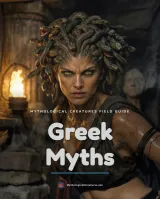
Greek Myths: A field guide to the monsters of ancient Greece
Every monster here earned its place in legend, and each gets a full page of artwork and the story behind it.
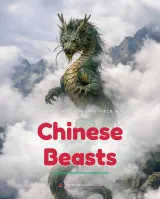
Chinese Beasts: A field guide to the dragons and demon kings of Chinese myth
From river dragons to demon kings, with the legends that shaped five thousand years of storytelling.
Japanese Yokai: A field guide to the spirits and demons of Japanese folklore
Fifteen spirits, with the signs to watch for and what the old tales say to do if you meet one.
the legend in five swipes.
Curated sponsor space
One subtle banner. Thousands of myth lovers.
We offer a small number of curated sponsor spots for relevant books, courses, games, and art. No clutter, just well-matched partners.
Partner with usQuick Creature Info
Origin:
Associations:
Our Mythic Legendary Rating:

Also Sometimes Known As:
Habitat:
Supernatural Powers:
Physical Attributes:
Abilities:
Behavior:
Lore:
Related Creatures, Tales or Lore
References
Discover Another Mythical Legend You May Not Have Heard Of?
Uncover the mysteries of ancient folklore and expand your knowledge of legendary beings from cultures around the world.
Dare to Meet the Svaðilfari....

The Mythological Creatures Book Series
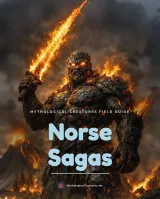
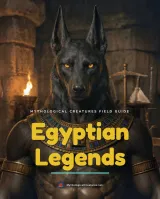
Yokai, Greek, Norse, Egyptian & Chinese. Five illustrated field guides to the creatures the old stories either warned or told you about.

Curated by the Mythological Creatures Team
Series editor: Mythological Creatures Directory
Primary desk: Hellenic & Ancient Mediterranean Desk
(rev. November 2025)