
Atosis: Atosis, also known as Kci-Athussos, is a mythological serpentine being from Abenaki and Algonquian folklore.
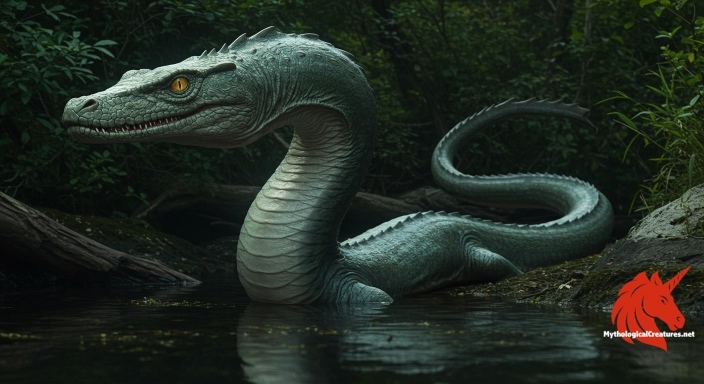
Atosis
Atosis - Atosis embodies themes of transformation, the interplay between humanity and nature, and serves as a cautionary figure against unchecked ambition and the lure of dark power.
Origins & First Encounters
Atosis, also known as Kci-Athussos, is a fascinating mythological figure rooted in the rich oral traditions of the Abenaki and Algonquian peoples of northeastern North America. Emerging from a background steeped in ancient reverence for nature, Atosis embodies themes of transformation and the nuanced interplay between the human and natural worlds. The creature’s origins are intriguingly tied to a narrative in which a human man eventually becomes this large, aquatic snake, reflecting a profound metamorphosis that captivates the imagination. Traditional storytelling has preserved this image of Atosis as both formidable and tragic, a juxtaposition that reflects the complexity of its dual nature. It is intricately connected with heroic deeds, most notably through its encounters with figures such as Glooskap, whose legendary battles further enrich the myth. The creature’s presence in folklore underscores the importance of water as both a life-sustaining element and a mysterious realm of transformation. The myth of Atosis serves to illustrate the delicate balance between power and vulnerability, inviting audiences to explore themes of redemption and retribution. Its first attestations are cloaked in the mystique of indigenous myth, where symbolism and natural phenomena merge seamlessly. The narrative speaks to a deep cultural understanding of the world, blending human experiences with the elemental forces of water. Through its diverse portrayals, Atosis continues to evoke a sense of wonder as it bridges the past with present-day cultural identity.
Source Texts & Tale Variants
Primarily derived from oral tradition and cherished folklore, the stories of Atosis have been handed down through generations in the Abenaki and Algonquian communities. In one narrative, the myth emphasises his transformation from a human into a serpentine creature, imbuing his character with layers of complexity and sorrow. Other accounts portray Atosis as an adversary who battles the heroic figure Glooskap, with such conflicts highlighting themes of resilience and cunning. Some variants recount the dramatic episode where Atosis captures Abistanooch, the marten and brother to Glooskap, thereby lending the tale an air of familial tension and mysticism. Additional versions embrace a more unexpected twist, in which a woman’s affection for the creature leads to a cycle of tragic liaisons with her successive husbands. These diverse renderings serve to broaden the interpretative landscape of the myth, allowing for both cautionary and redemptive readings. Oral recitations at communal gatherings have further enriched these narratives, ensuring that local embellishments continue to evolve over time. The evolution of these story variants attests to a living tradition, where each telling reflects the values and social dynamics of its community. Such a wide spectrum of sources underscores the resilience of the folklore, making Atosis a dynamic figure in indigenous mythology.
Form & Powers
Atosis is depicted as a magnificent, sinuous aquatic reptile whose body spans impressive lengths and exudes both beauty and menace. Its form is characterised by sleek, shimmering scales that seem to capture and refract the light of the waters it inhabits. The creature moves with a fluid grace, almost as if it were a living embodiment of the current and eddies of its watery domain. In many renditions, there is an eerie suggestion of its human origin, with subtle facial features and an expression that hints at lost humanity intermingled with serpentine power. Its eyes are often described as deep and reflective, conveying an ancient wisdom and an underlying sorrow that speaks of its transformative past. The muscular build and undulating curves of its body emphasise a raw, natural power that is both mesmerizing and intimidating. There are also descriptions that highlight intricate patterns upon its scales, patterns which are seen as both a natural armour and an emblem of its mythic heritage. Variations in its size are common, with some traditions portraying Atosis as a colossal being dominating the water, while others focus on a more agile, elongated form. Each detail of its physical presence contributes to a portrait of a creature that is as enigmatic as it is formidable, bridging the realms of nature and myth.
Regional Faces
The portrayal of Atosis shifts subtly across different regions, with local traditions imparting unique nuances to its character and legend. In certain Abenaki circles, the creature is revered as an elemental force of nature, entwined with the cycles of the seasons and the mysticism of the waterways. Meanwhile, Algonquian variations tend to place greater emphasis on its fearsome character, casting Atosis as a perilous adversary within the realm of water. Regional narratives often adjust its physical description and symbolic resonance, with some depicting it as a benevolent guardian of aquatic life and others as a harbinger of retribution. In communities with deep riverine or lacustrine traditions, Atosis is sometimes portrayed with an almost divine status, his formidable presence reinforcing local legends of natural power. Other areas, particularly those with scarce water resources, interpret his myth as a stark reminder of nature’s unpredictability and potential for destruction. Oral traditions have passed on modifications in the creature’s attributes—from slight differences in scale patterns to variations in reported size—all of which contribute to its regional versatility. This rich diversity of interpretation ensures that Atosis remains a dynamic symbol, responsive to local cultural contexts and the collective imagination of different indigenous communities.
Cultural Parallels
Atosis shares intriguing similarities with serpentine figures that appear in diverse mythological traditions worldwide. In many cultures, water-dwelling serpents are imbued with symbolism that bridges the mortal and the divine, much like the Nāgas in South and Southeast Asia. This comparison underscores how worldwide mythologies frequently utilise the snake as a symbol of both wisdom and transformation. Just as various indigenous traditions see their aquatic serpents as custodians of natural forces, so too does Atosis occupy a liminal role between humanity and nature. The creature’s narrative of metamorphosis—from human to snake—resonates with themes found in global myths that explore the tension between the corporeal and the mystical. Such cross-cultural parallels lend further depth to the analysis of Atosis, highlighting a common archetype that transcends geographical boundaries. In many traditions, the act of transformation is symbolic of a deeper journey—a bridging of past identities with new, often enigmatic, forms. By comparing these narratives, one can appreciate the universal human fascination with transformation and the enduring power of serpentine imagery. These comparative insights enrich our understanding of Atosis, positioning it within a broader, interconnected mythological framework.
Legacy & Modern Evolution
The narrative of Atosis has evolved significantly over time, reflecting both shifts in cultural perceptions and adaptations to modern storytelling. Its early portrayals, embedded in oral tradition, emphasised his role as a formidable reminder of nature’s might and the inevitable cycles of change. Over the years, the myth has been reinterpreted to incorporate themes of love, betrayal, and the transformative journey between human and supernatural realms. Contemporary renditions often integrate Atosis into the popular lexicon of cryptid lore, especially through comparisons with creatures like Champ of Lake Champlain. This modern evolution underscores how ancient narratives can be revitalised to resonate with current ecological and cultural concerns. Artists, writers, and filmmakers have all contributed to a renewed fascination with Atosis, exploring his story through a range of creative mediums. The figure now symbolises not only the mystery of the natural world but also the resilience of indigenous myth in the face of modernity. His legacy is celebrated as a bridge between ancient wisdom and contemporary ecological consciousness, ensuring that the myth continues to inspire and provoke thoughtful reflection. In this way, Atosis remains an enduring emblem of transformation, a compelling reminder of the power and beauty inherent in folklore.
Interesting Fact
Atosis' dual nature as both human and serpent not only highlights the theme of transformation but also reflects a broader indigenous understanding of the interconnectedness of life and the mutable boundaries between man and nature.
For serious mythcraft
Your project belongs among the legends
If your work deepens how people understand, play with, or teach mythology, a sponsor placement here keeps it in front of the right readers all year.
Submit a sponsorship enquiryQuick Creature Info
Origin:
Associations:
Our Mythic Legendary Rating:

Also Sometimes Known As:
Habitat:
Supernatural Powers:
Physical Attributes:
Abilities:
Behavior:
Lore:
References
Discover Another Mythical Legend You May Not Have Heard Of?
Uncover the mysteries of ancient folklore and expand your knowledge of legendary beings from cultures around the world.
Dare to Meet the Maa-alused....
Curated by the Mythological Creatures Team
Series editor: Mythological Creatures Directory
Primary desk: Americas & Indigenous Traditions Desk
(rev. November 2025)