
Bacá: Bacá is a demonic shape-shifter from Dominican folklore.
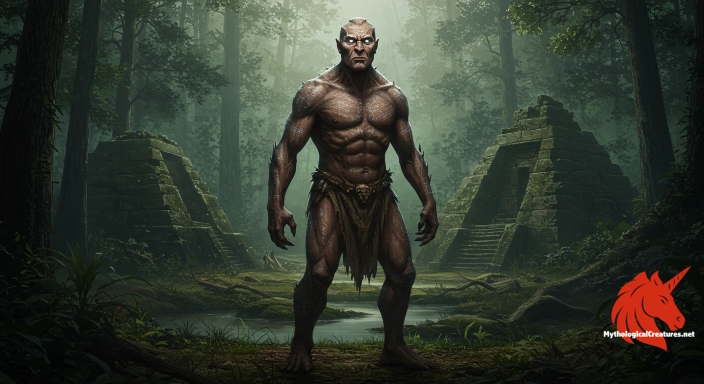
-190e981f-aa83-45e8-9628-db490c0eba3c_small.webp "Bacá - Serves as a cautionary figure embodying the peril and high cost of making deals with diabolic forces.")
Bacá
Bacá - Serves as a cautionary figure embodying the peril and high cost of making deals with diabolic forces.
Origins & First Encounters
Bacá stands as a striking figure in Dominican folklore, a shape-shifting demon woven into the fabric of local myth and cautionary tales. Born of a pact with infernal forces, this sentient spirit emerges when individuals make drastic deals in moments of desperation. Its origins reflect a melting pot of cultural influences, merging Indigenous, African, and Spanish cosmologies into a unique Caribbean demonology. Bacá is repeatedly depicted as both a benefactor and a harbinger of doom, offering wealth and protection at a high ethical and spiritual cost. The creature's dual nature captivates the imagination, symbolising the eternal struggle between desire and sacrifice. Local narratives imbue Bacá with an enigmatic presence that simultaneously terrifies and tempts its believers. The spirit’s lore has been passed down orally through generations, preserving its eerie allure and cult status among Dominican communities. Its first attestations can be traced back to early colonial times when discussions of diabolic pacts were common, blending both fear and fascination into public consciousness.
The rich tapestry of Bacá’s legend serves as a mirror to the societal and spiritual tensions present in historical Dominican culture, where the promise of earthly gain was always shadowed by the potential for damnation.
Source Texts & Tale Variants
The stories of Bacá are primarily conveyed through the vibrant oral traditions of the Dominican Republic, with countless variations emerging from community storytellers and local gatherings. Early folklorists noted that Bacá was often mentioned in discussions surrounding devilish bargains and supernatural intervention. Written accounts, though sporadic, highlight the demon’s appearances in local manuscripts and religious allegories analysed by enthusiasts of Caribbean paranormal lore. In some narratives, Bacá is portrayed as an ever-watchful guardian spirit, while in others the focus is on the dire consequences of its demands. The recurring theme of sacrificial exchange is a consistent element, underscoring the idea that any boon granted by Bacá comes with a profound price. Diverse versions of the myth have surfaced over time, reflecting the evolving cultural and religious landscape of the region. Community elders and storytellers each add their own local flavour, sometimes emphasising the protective aspects and at other times the brutal retribution of the demon. The multifaceted nature of Bacá continues to inspire both scholarly debate and popular reinterpretation within the realm of Caribbean folklore.
These variants not only enrich the myth but also invite continuous reinterpretation in a modern context, ensuring that Bacá’s legend remains both dynamic and compelling.
Form & Powers
Bacá is renowned for its shape-shifting abilities, most notably transforming into formidable animals such as a large dog or an imposing bull. In its canine form, the entity is said to possess a sleek, shadow-like coat and eyes that gleam with an unsettling intelligence, evoking both curiosity and dread. When assuming the bull’s guise, Bacá is depicted with a robust, muscular frame, complete with prominently curved horns that hint at its otherworldly strength. Descriptions often mention an ever-changing anatomy, where subtle features flicker between forms, leaving onlookers with the impression of a being caught between worlds. There are accounts of the demon’s fur and hide shifting in colour and texture, sometimes mirroring the night itself, other times reflecting the fiery glow of infernal flames. The fluidity of its physical presence suggests that Bacá’s true nature defies conventional bodily limits, embodying the essence of transformation. Intricate details like a lingering aura or wisps of darkness trailing behind its form add to the lore’s mystique. Furthermore, some tales hint at size variations where Bacá can appear both unnervingly large and almost deceptively common, adapting its presence to match the psychological state of its summoner.
This captivating amalgam of physical attributes not only underscores its supernatural origins but also cements its role as a dangerous yet alluring entity in folklore.
Regional Faces
The portrayal of Bacá varies notably across different regions within the Dominican Republic, highlighting its adaptability to local cultural nuances and environmental influences. In rural highland communities, Bacá is often recounted as a formidable protector against misfortune, manifesting in forms that symbolise raw power and unyielding loyalty. Conversely, in coastal areas where folklore intertwines with maritime superstitions, the demon is sometimes seen as a volatile spirit whose appearance portends unpredictable changes in fortune. Local adaptations of the myth sometimes emphasise the creature’s ability to blend with the surrounding landscape, suggesting that Bacá may even be a guardian of specific natural sites or ancestral lands. These regional interpretations reflect a broader Caribbean dialogue where elements of indigenous spirituality, African ritual practices, and European demonic archetypes converge. In certain communities, Bacá’s penchant for shape-shifting into a large dog has been linked to local legends of spectral hounds that roam deserted pathways and crossroads. Meanwhile, other regions prefer the bull form, imbibing it with agricultural symbolism and the harsh realities of rural life. Cultural retellings in various towns have modified details such as the nature of the sacrifices required, demonstrating the myth’s fluidity and enduring relevance.
This diversity in portrayal ensures that Bacá remains a versatile and deeply embedded figure within the vibrant mosaic of Dominican folklore.
Cultural Parallels
Bacá shares intriguing similarities with shape-shifters and devilish entities found throughout various mythologies around the world. Much like the werewolves of European legend, Bacá transforms between human-associated forms and more animalistic incarnations to evoke both fear and awe. The motif of making a Faustian bargain resonates strongly in Bacá’s narrative, drawing parallels with similar deals with dark forces observed in many traditions. Comparable figures in Mesoamerican folklore, such as the nahual, also exhibit transformative abilities and invoke the power of animal spirits, although Bacá’s association with the diabolical stands in stark contrast. The creature’s dual role as both a benefactor and a bringer of misfortune can be juxtaposed with other trickster figures in global myth, where deception and desire intermingle. Cultural intersections are evident when comparing Bacá with stories from other Caribbean traditions, where the interplay between native beliefs and imposed European narratives often creates layered and complex supernatural characters. This comparative lens reveals that Bacá is more than a regional oddity; it fits into a broader global narrative where the allure of forbidden power is a recurring theme. The cross-cultural echoes found in these mythologies underline the universality of stories where the supernatural reflects humanity’s eternal struggle with its own moral ambiguities.
Such parallels not only enhance the mystique surrounding Bacá but also offer valuable insights into how different cultures use folklore to explore the consequences of unbridled ambition and the dark side of desire.
Legacy & Modern Evolution
Over time, Bacá has evolved from a localized demon of oral tradition into a potent symbol within modern cultural discourse. Historical depictions rooted in ritualistic folklore have gradually been reinterpreted through literature, art, and even film, underscoring its timeless cautionary message. The transformation of Bacá’s narrative mirrors the shifting societal attitudes towards power, desire, and the consequences of moral compromise. Contemporary creators often harness the legend of Bacá as a metaphor for the corrupting influence of unchecked ambition and the inevitable downfall that can accompany deals with malevolent forces. In modern Caribbean popular culture, Bacá appears in various forms, from eerie illustrations in graphic novels to evocative characters in horror cinema and television. This enduring legacy is not limited to the Dominican Republic; similar themes resonate across global media where supernatural bargains have become a rich vein for storytelling. As reinterpretations of Bacá continue to emerge, the creature retains its status as a vital cultural touchstone, symbolising the intersection of folklore, identity, and the ongoing human fascination with the unknown. Its persistent presence in modern narratives serves to both entertain and caution audiences, reminding them of the perennial consequences of trading morality for material gain.
In this way, Bacá remains a dynamic and influential figure whose evolving portrayal continues to stimulate debate and inspire creative exploration in a contemporary context.
Interesting Fact
Bacá's shape-shifting prowess, which allows it to adopt forms as diverse as a large dog or bull, mirrors similar transformation myths found across disparate cultures, highlighting a universal narrative about the hazards of unholy bargains.
For serious mythcraft
Your project belongs among the legends
If your work deepens how people understand, play with, or teach mythology, a sponsor placement here keeps it in front of the right readers all year.
Submit a sponsorship enquiryQuick Creature Info
Features:
Our Mythic Legendary Rating:

Also Sometimes Known As:
Supernatural Powers:
Physical Attributes:
Abilities:
Behavior:
Weaknesses:
Lore:
Related Creatures, Tales or Lore
References
Discover Another Mythical Legend You May Not Have Heard Of?
Uncover the mysteries of ancient folklore and expand your knowledge of legendary beings from cultures around the world.
Dare to Meet the Okeus....
Curated by the Mythological Creatures Team
Series editor: Mythological Creatures Directory
Primary desk: Americas & Indigenous Traditions Desk
(rev. November 2025)