
Barstuk: Barstuk is a small dwarf from Warmian-Masurian folk tales.

Barstuk
Barstuk - Considered a benevolent guardian that protects households and maintains harmony within the forest domain.
the legend in five swipes.
the legend in five swipes.
Barstuk Origins: The Earliest Accounts
Barstuk occupies a cherished niche in the folklore of Warmian-Masurian communities, embodying the mysterious spirit of ancient woodlands and domestic benevolence. He is depicted as a small, elusive dwarf whose origins seem to trace back to pre-Christian pagan traditions. Rooted in the oral narratives of rural villagers, his story has been passed down through generations with both reverence and a sense of wonder. Early attestations of Barstuk arise from local storytelling practices where subtle hints of his intervention in everyday life are recounted. Many accounts describe him as a discreet protector who secretly visits households, ensuring comfort and prosperity. His presence in these narratives symbolises the intricate relationship between man and the natural world. The legend encapsulates the blend of mysticism and everyday practicality that characterises much of Warmian-Masurian folklore. Rural communities often saw him as a bridge between the seen and unseen realms, a silent guardian of both the forest and the home. His enduring image reflects cultural values that celebrate humility, resourcefulness, and the respectful stewardship of nature. The tale of Barstuk continues to intrigue, inviting those who hear it to rediscover a world where magic subtly influences the mundane.
What sources tell us about Barstuk?
The tradition surrounding Barstuk is sustained largely by a rich corpus of oral narratives and folklore transmitted through the ages. Numerous local accounts, though not extensively documented in formal texts, provide a tapestry of details that have cemented his role in local mythology. He appears in a variety of story variants that have been recounted at community gatherings and local festivals over time. Some versions depict him as a solitary, singular spirit, while other renditions allude to a collective of small woodland helpers. Handwritten manuscripts and early folkloric compilations from the region recount his secret visits to households. Variations in his story often reflect personal interpretations and regional tastes, thereby enriching the narrative tapestry. In many recitals, the creature’s role is presented within the natural cycles of the forest, echoing the seasonal rhythms of agrarian life. The stories are not only a means of entertainment but also function as moral allegories that communicate the values of kindness and vigilance. Despite the scarcity of formal literary sources, these oral histories bestow a detailed and enduring presence upon Barstuk. Local storytellers have consistently woven his image into the fabric of community memory, ensuring that his legend remains vibrant and influential.
Barstuk: What the Legends Describe
Barstuk is traditionally envisioned as a diminutive, robust figure with a compact, nearly stocky build that complements his secretive existence in the woodlands. His features are often described as both wizened and benevolent, with twinkling eyes that hint at a playful intelligence. A neatly trimmed beard adds an aura of wisdom to his small yet spirited visage, embodying the archetypal look of a seasoned guardian. His attire is typically fashioned from earthly materials, with garments that mirror the textures and colours of the forest itself, such as muted greens, browns, and ochres. In many depictions, a small, brightly coloured cap or traditional hat adorns his head, echoing the vibrant natural life of his surroundings. Fine details such as worn boots and a simple utilitarian belt further underscore his readiness to engage in household tasks. Variations in artistic portrayals sometimes introduce subtle embellishments that signal his magical origins, such as hints of luminescence in his eyes or a slight glow about his form. Although consistently small in stature, the dynamism of his physical representation allows storytellers to highlight different aspects of his character. In sum, the detailed descriptions of his appearance create an enduring image of a creature who is as much a part of the natural environment as the ancient trees he calls home. Every element of his physical description has been carefully adapted to symbolise his role as a protector, merging the practical with the mythic.
Barstuk Across Different Regions
The depiction of Barstuk varies across the different locales of the Warmian-Masurian region, reflecting a rich diversity in local interpretations. In certain villages, he is portrayed as a singular, mystical figure whereas in others he is seen as part of a kinship of guardians, each with subtly distinct characteristics. Some local adaptations focus on his role as a nocturnal helper, emphasising the mystery and enchantment of his secret home visits. Variations also emerge from the distinct natural landscapes across the region, with coastal communities tailoring his appearance to suit their maritime environments. In other areas, the legend is interwoven with seasonal festivals, where his presence is celebrated during the harvest period as a symbol of nature’s benevolence. The diversity in his portrayal underscores how deeply regional identity influences folklore, with each depiction resonating with the specific cultural and environmental context of the community. Certain accounts accentuate his earthy, grounded attributes, while others imbue him with a more ethereal, almost fairy-like quality. Local narratives often serve dual purposes: to entertain and to provide moral or practical lessons about living in harmony with nature. Thus, while the core elements of his character remain recognisable, the fine details are refracted through the lens of local tradition. This regional richness ensures that Barstuk remains a dynamic and adaptable figure in contemporary cultural memory.
Barstuk: Cross-Cultural Comparisons
Barstuk shares many attributes with other diminutive mythological figures found throughout Europe, serving as a mirror to a shared cultural fascination with benevolent nature spirits. His character aligns closely with that of the Norse tomte and Scandinavian nisse, both celebrated for their secretive guardianship of households and the natural world. Much like the brownies of British lore, he is revered as a helpful, discreet presence within the domestic sphere. Similar to gnomes and sprites in various continental traditions, Barstuk represents the idea that even the smallest beings can wield profound influence over human fortunes. The recurring motif of a diminutive, forest-dwelling protector is evident in Slavic folklore, where analogous creatures guard both home and hearth with quiet devotion. Comparative analyses reveal that while many of these beings may differ in name and cultural context, they share a universal role linked to fertility, protection, and the mystery of nature. This cross-cultural resonance underlines the significance of small protective figures in symbolising human desires for safety and connection with the natural environment. The blending of domesticity and wilderness in these myths creates an enduring archetype that bridges diverse European traditions. Barstuk thus stands as one incarnation of a shared human mythos, highlighting common themes that transcend cultural boundaries. In drawing these parallels, we gain deeper insight into how cultures across Europe have sought to understand and celebrate the unseen forces that watch over their lives.
Where do you see Barstuk today?
Over time, the representation of Barstuk has evolved from his original portrayal as a barely noticeable woodland helper into a richly celebrated emblem of local heritage and folklore. His early identity as a mysterious, almost spectral visitor has gradually been reimagined through a blend of artistic reinterpretation and modern narrative flair. Contemporary depictions often visualise him as a vibrant, approachable figure who bridges the gap between ancient myth and modern ecological awareness. His image has been embraced in cultural festivals and local art, where he is featured as a symbol of both tradition and nature conservation. Modern reinterpretations frequently interlace environmental themes with his ancient role, suggesting that the preservation of natural habitats remains as vital today as it was in earlier times. The evolution of his story mirrors wider societal shifts towards a renewed appreciation for rural folk traditions and the subtle power of nature. Literature and visual media have re-contextualised his character within the framework of contemporary fantasy, often portraying him with elements that appeal to modern sensibilities while retaining his traditional roots. His narrative continues to inspire local communities, serving as a reminder of the hidden magic embedded within the natural world. Festivals and cultural events in the region celebrate Barstuk not only as a relic of the past but also as a dynamic symbol for future generations. Today, his legacy endures as a melding of historical tradition and modern myth, ensuring that his tale is passed on into new eras of storytelling.
Interesting Fact
Barstuk's unseen interventions are so well integrated into local legend that many attribute unexplained good fortune in households to its discreet efforts.
Mythological Treasures
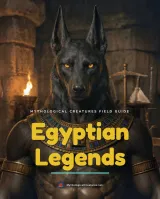
Egyptian Legends: A field guide to the gods and monsters of ancient Egypt
Guardians of the living and devourers of the dead, with the role each played in judgement.
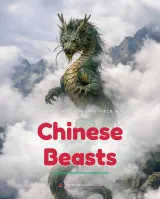
Chinese Beasts: A field guide to the dragons and demon kings of Chinese myth
From river dragons to demon kings, with the legends that shaped five thousand years of storytelling.
Japanese Yokai: A field guide to the spirits and demons of Japanese folklore
Fifteen spirits, with the signs to watch for and what the old tales say to do if you meet one.
the legend in five swipes.
Mythology-aligned partners
Showcase your myth-friendly brand here
Run a store, studio, or platform that lives in the world of myth and folklore? A curated sponsor panel on these pages may fit.
Explore partnership optionsQuick Creature Info
Features:
Our Mythic Legendary Rating:

Habitat:
Supernatural Powers:
Physical Attributes:
Abilities:
Behavior:
Lore:
Related Creatures, Tales or Lore
- KKrasnoludek
- TTomte
- NNisse
References
Discover Another Mythical Legend You May Not Have Heard Of?
Uncover the mysteries of ancient folklore and expand your knowledge of legendary beings from cultures around the world.
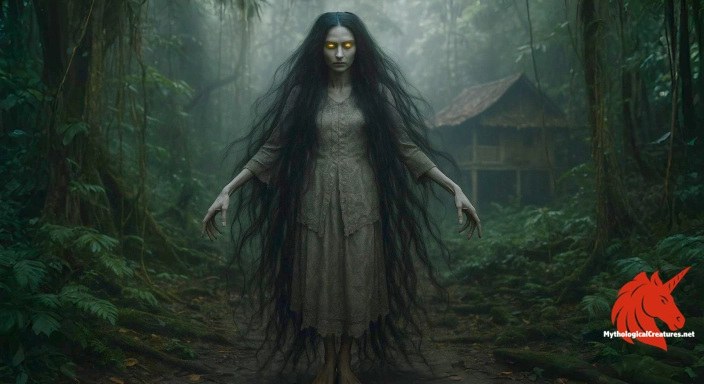
Dare to Meet the Langsuyar....
The Mythological Creatures Book Series
Yokai, Greek, Norse, Egyptian & Chinese. Five illustrated field guides to the creatures the old stories either warned or told you about.
Curated by the Mythological Creatures Team
Series editor: Mythological Creatures Directory
Primary desk: Northern & European Folklore Desk
(rev. November 2025)