
Bashe: Bashe is a legendary giant snake from Chinese mythology known for its python-like form and enormous appetite.
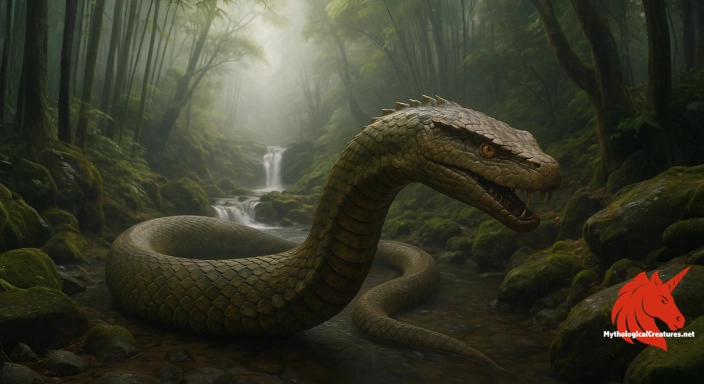
Bashe
Bashe - Bashe is a legendary creature whose enormous size and predatory habits have made it a symbol of the formidable and mysterious forces of nature in Chinese folklore.
the legend in five swipes.
the legend in five swipes.
Bashe: Origins and First Sightings
Bashe stands as one of the most imposing figures in the tapestry of Chinese mythology, its legend crafted to instil both awe and caution. Born out of an era when natural phenomena were interwoven with divine mystery, it quickly became a symbol of nature’s uncontrollable power. Ancient narrations hint that its origins may lie in an oral tradition that predated formal written records, evolving over time into a composite emblem of the wild. The creature is traditionally depicted in a manner that blurs the boundaries between myth and natural reality, embodying the fear of nature's unpredictable might. Its name, rendered in both pinyin as Bā-shé and in Chinese characters, resonates with the symbolism of serpentine beings in the region. Bashe’s extraordinary appetite, illustrated by its consumption of elephants, transforms it into a metaphor for the insatiable aspects of nature. The myth's enduring presence in literature and art reflects the broader cultural dialogue concerning the balance between civilization and the untamable wild. Over centuries, Bashe has maintained its status as a creature of wonder, highlighting the interplay between myth, natural history, and human imagination. Its story continues to captivate those who seek to understand the symbolic language of ancient Chinese lore.
Bashe in the Historical Record
Early textual allusions to Bashe appear sporadically in classical Chinese literature, where natural wonders and monstrous beings were documented alongside philosophical reflections. In some of the more obscure medicinal and natural history texts, Bashe is referenced as one of the formidable creatures that once roamed an unbridled wilderness. Literary compilations from later dynasties have enriched the sparse original mentions with vivid descriptions and allegorical interpretations. A number of variants in the narrative have surfaced in the folklore of rural communities, each revision adding new dimensions to its character and behaviour. Oral traditions have played a significant role in preserving the myth, allowing it to expand and adapt with each retelling. Some narrative strands depict the creature in a heroic light, whilst others emphasise its capacity for destruction as a harbinger of chaos. Folklorists have noted that the creature’s appearances in different texts often reflect the local values and environmental concerns of the region. These diverse sources collectively contribute to a multifaceted portrayal of Bashe, ensuring that its legend remains both elusive and compelling.
Bashe: Physical Form and Supernatural Powers
In artistic and literary depictions, Bashe is portrayed as an immense serpent with a stature that far exceeds that of ordinary pythons. Its body is said to be covered in lustrous scales that transition between deep, earthy hues and shimmering hints of jade, evoking the natural beauty of ancient forests. The creature’s head is elongated and features a subtle crown-like ridge that underscores its regal yet menacing character. Deep-set, luminous eyes provide it with an aura of ancient wisdom and an almost hypnotic power over those who gaze upon them. Rows of sharp, formidable fangs line its expansive jaws, each capable of executing a swift, lethal strike. Despite its colossal size, Bashe is reputed to possess a sinuous grace, moving fluidly and silently like a shadow in the night. The myth surrounding its ability to engulf elephants heightens its reputation as a beast of extraordinary appetite and strength. Elaborate illustrations found in historical artefacts capture the Bashe in dynamic poses that blend raw, primal energy with a measure of natural elegance. Some accounts even hint at a mysterious glow along its spine, a detail that adds a supernatural luminescence to its already daunting appearance. Such descriptions have cemented its status as an icon of nature’s overwhelming and unpredictable force.
Bashe: Regional Differences in the Legend
Variations of the Bashe myth can be found throughout the different regions of China, each imbuing the creature with distinct local characteristics. In the northern provinces, the Bashe is occasionally depicted with draconic features, its form blending seamlessly into the lore of ancient dragons. In contrast, southern traditions often present it as a more aquatic, river-bound entity, symbolically connected with seasonal monsoons and agricultural cycles. Local narratives in rural areas sometimes cast the creature as both a destructive force and a guardian of natural balance, reflecting the dualistic nature of the wilderness. Folk tales in mountainous regions have adapted the Bashe’s legend to incorporate elements of local environmental phenomena, such as sudden floods or mysterious disappearances. Regional artists have also reinterpreted its image in ways that highlight the interplay between nature’s beauty and its underlying ferocity. In border regions where cultural exchanges were frequent, the myth of Bashe merged with indigenous serpent legends to produce hybrid narratives. These regional adaptations underscore the dynamic nature of folklore, where a single myth can embody a multitude of local experiences and values. Such diversity in portrayal speaks to the universal human need to map the mysteries of nature onto the stories we tell.
Bashe: Shared Themes in World Myth
Comparative explorations reveal that Bashe occupies a role in Chinese mythology similar to that of giant serpents found worldwide. Its monstrous size and formidable appetite resonate with global legends such as the Norse Midgard Serpent, which symbolises the chaotic and destructive potential of nature. In South Asian traditions, Nāgas also represent a dual nature, acting as both protectors and harbingers of danger, echoing the Bashe’s multifaceted symbolism. European myths of colossal serpents, including the basilisk, similarly exploit the fear of nature's overwhelming and mysterious power. These cross-cultural parallels suggest that the archetype of the giant snake serves as a universal metaphor for the untamable forces found in the natural world. Artistic and literary traditions from different regions all converge on themes of rebirth, destruction, and the liminality between human control and wilderness chaos. While each culture adapts the imagery and attributes of these serpents to its unique context, underlying similarities point to a shared human fascination with colossal, enigmatic reptiles. The Bashe, in its depiction of nature’s might, stands as a testament to the interconnectedness of mythological traditions that span continents. Its narrative, therefore, joins a global chorus of serpent legends that have long captivated the human psyche. Through such comparisons, the enduring allure of these creatures remains evident, transcending time and geographical boundaries.
Bashe: From Folklore to Pop Culture
Historically, the image of Bashe has undergone a remarkable evolution from its early, stark portrayals in ancient texts to more elaborate and symbolically rich representations. In the earlier phases of Chinese literary tradition, the creature was primarily seen as a formidable symbol of nature's unpredictable wrath, a warning of the dangers lurking beyond controlled civilisation. As dynastic eras passed, artists and storytellers began to imbue Bashe with additional layers of meaning, often using it as a metaphor for the excesses of nature and human ambition alike. By the Tang and Song dynasties, its depiction had grown more sophisticated, merging terror with an undeniable sense of awe and respect for the natural world. In modern times, Bashe has found a new life in the realms of fantasy literature, cinema, and video games, where it is frequently reimagined to reflect contemporary environmental concerns. Visual media have harnessed its image as an embodiment of raw, untamed power, often juxtaposed with futuristic or dystopian landscapes. This modern legacy, however, does not erase the ancient roots of its mythology; instead, it enriches the narrative by connecting past and present. The evolution of Bashe’s portrayal highlights the dynamic interplay between myth and cultural expression, serving as a bridge between ancient lore and modern storytelling. Today, it functions as a potent cultural symbol, reminding us of the timeless allure of myth and the continuous reinterpretation of nature’s mysteries. The Bashe remains a compelling figure, its myth a living archive of humanity’s enduring fascination with the unknown.
Interesting Fact
Bashe's legend may have been inspired by real-life sightings of large snakes, with exaggerated tales emphasizing its elephant-eating capacity.
Mythological Treasures
Chinese Beasts: A field guide to the dragons and demon kings of Chinese myth
From river dragons to demon kings, with the legends that shaped five thousand years of storytelling.
Norse Sagas: A field guide to the beasts of the Viking world
Drawn from the saga accounts themselves, with the powers, weaknesses and doom of each being set out.
Egyptian Legends: A field guide to the gods and monsters of ancient Egypt
Guardians of the living and devourers of the dead, with the role each played in judgement.
the legend in five swipes.
Advertising opportunity
Showcase your mythology project
We offer limited sponsor placements for books, courses, games, and creators aligned with our audience.
View partnership optionsQuick Creature Info
Features:
Our Mythic Legendary Rating:

Also Sometimes Known As:
Habitat:
Supernatural Powers:
Physical Attributes:
Abilities:
Behavior:
Lore:
References
Discover Another Mythical Legend You May Not Have Heard Of?
Uncover the mysteries of ancient folklore and expand your knowledge of legendary beings from cultures around the world.
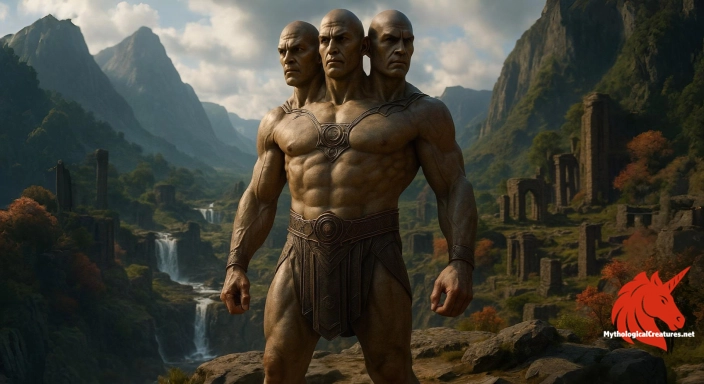
Dare to Meet the Trisiras....
The Mythological Creatures Book Series
Yokai, Greek, Norse, Egyptian & Chinese. Five illustrated field guides to the creatures the old stories either warned or told you about.

Curated by the Mythological Creatures Team
Series editor: Mythological Creatures Directory
Primary desk: Asian & Pacific Myth Cycles Desk
(rev. November 2025)