
Bayard: Bayard is a legendary magical bay horse from medieval chansons de geste, known for his ability to adjust his size and exceptional strength.
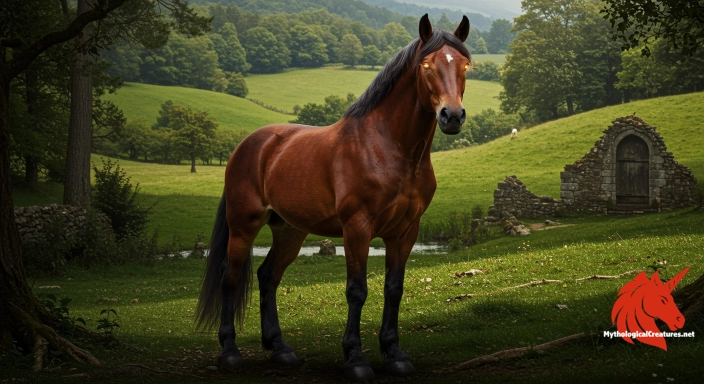
Bayard
Bayard - Bayard is an enduring symbol of magical power and strength, playing a significant role in regional folklore and cultural processions.
the legend in five swipes.
the legend in five swipes.
Who first told stories about Bayard?
Bayard is a legendary, magical bay horse whose origins are deeply embedded in medieval European epic tradition. Born from the rich narrative tapestry of the chansons de geste, his tale first emerged amidst heroic quests and chivalric values. He quickly became the icon of strength and supernatural ingenuity, captivating audiences with feats that defied mortal expectations. His origins lie in a period when oral and written traditions intertwined, giving rise to legends that celebrated heroic companion animals. The lore surrounding Bayard reflects the cultural dynamism of northern France and the Belgian Ardennes, where history and myth merge seamlessly. His extraordinary ability to change size according to his rider’s need is emblematic of the transformative power of myth. The early attestations of his character in medieval texts laid the groundwork for a narrative that would evolve over centuries. Bayard’s enduring fame is a testament to the power of legend to capture the imagination and to bolster the ideals of loyalty and bravery. His legacy continues to underscore the timeless appeal of magical creatures in a world where history meets the fantastical.
Bayard in the Historical Record
The primary sources for Bayard’s legend are the medieval chansons de geste, particularly the celebrated epic of The Four Sons of Aymon, where his magical qualities are first brought to light. Variations of his story appear across several texts, each adding layers of detail to his mystical persona. The narrative tradition surrounding Bayard is extensive, spanning manuscripts, printed editions, and oral recitations that highlight his supernatural feats. In these accounts, the horse is not merely a beast of burden but a dynamic figure capable of perplexing transformations. The texts serve as a bridge between historical events and mythic representation, offering a glimpse into the values of a bygone era. Multiple versions of the tale have emerged over time, each reflecting regional sensibilities and local storytelling traditions. The diversity in accounts—from the more martial depictions to those embellishing his size-altering ability—illustrates the fluid nature of myth. Bayard’s literary presence has ensured that he remains both a subject of scholarly interest and a beloved figure in popular folklore. The recurring motifs and thematic elements in these sources continue to inspire reinterpretations and cultural adaptations in various media.
The Described Form of Bayard
Bayard is traditionally depicted as an imposing yet graceful bay horse, whose physical appearance perfectly mirrors his extraordinary abilities. His coat, a rich shade of bay that shimmers under the touch of light, is often described with a near-otherworldly radiance. The muscular build of his body balances strength and elegance, symbolising both raw power and refined agility. His expressive eyes seem imbued with a deep intelligence, hinting at a connection with the mystical forces that govern his existence. Illustrations and descriptions from medieval sources highlight the exquisite detail of his mane and tail, which are rendered with an attention that underscores his noble stature. An important aspect of his physical portrayal is his magical ability to adjust his size—an attribute that sets him apart from ordinary steeds. His legs, powerful yet swift, are celebrated in tales of both battle and peaceful journeys. The blend of natural equine beauty with unmistakable supernatural qualities gives Bayard an aura of invincibility and reverence. Every line of his description is crafted to evoke an image of a creature that is as much a product of myth as he is of nature.
The Local Faces of Bayard
Regional traditions have infused Bayard’s legend with unique local flavours, particularly in areas of northern France and Belgium. In the Ardennes and surrounding towns such as Bogny-sur-Meuse and Namur, his exploits are regularly celebrated during community festivals, reinforcing his status as a local emblem of pride. Belgian traditions, especially in Dinant and Dendermonde, showcase him as an integral participant in processional giants and festive parades, where his image is both venerated and reimagined. In these regions, the stories are often tailor-made to coincide with local histories, adding distinct motifs that reflect regional identities. While his core attributes remain consistent, the depiction of his size-changing ability and heroic feats often takes on added layers of cultural symbolism specific to these areas. Dutch renditions, under the name Ros Beiaard, blend seamlessly with local mythologies, where he is occasionally intertwined with regional legends of giants and heroic deeds. The local adaptations have allowed Bayard to resonate with diverse audiences, each contributing to a rich, multilayered narrative mosaic. As a result, his character is not static but evolves with the cultural and historical context of each community that honours his myth. These regional expressions ensure that Bayard remains a dynamic figure, continuously reinterpreted to reflect communal values and traditions.
Bayard: Echoes in Other Mythologies
Bayard’s legend offers intriguing parallels with other mythic steeds across various cultures, setting him apart while also joining a broader family of enchanted creatures. Comparisons can be drawn with figures such as Sleipnir from Norse mythology, whose supernatural attributes elevate him beyond the realm of ordinary animals. Like Pegasus in Greek lore, Bayard transcends the natural world through his extraordinary abilities, yet his unique power to modulate his size marks a distinct feature in equine mythology. Both Bayard and these other legendary horses serve as metaphors for the union of man and the enchanted realm, symbolising trust, guidance, and the limitless possibilities of myth. His role as a companion to heroic figures echoes the archetypal bond seen in many cultures, where the steed is as noble a warrior as the man who rides him. The stories of Bayard also share thematic similarities with the unicorn, particularly in their shared capacity to inspire awe and represent purity amid chaos. Cross-cultural analysis highlights that while many legendary creatures are celebrated for the wonders they perform, Bayard’s adaptable nature and regional diversity render him uniquely multifaceted. This comparative study underscores that mythic horses, regardless of origin, often capture universal themes of transcendence, loyalty, and the subversion of natural laws. By juxtaposing his characteristics with those of other renowned mythical mounts, Bayard’s narrative is enriched with layers of symbolic resonance and shared cultural memory.
How is Bayard remembered today?
From his medieval origins to his modern reimaginings, Bayard’s legacy is one of enduring enchantment and cultural significance. His early depictions as a wise and magical steed were deeply intertwined with the martial and chivalric ideals of his time. As centuries passed, his image evolved through the transformative lens of art, literature, and communal celebration. Modern festivals and parades in northern France and Belgium prominently feature his likeness, ensuring that the myth continues to be woven into the fabric of local identities. Contemporary portrayals often highlight his remarkable ability to adapt and transform, resonating with modern themes of resilience and innovation. In current cultural narratives, Bayard is celebrated not only as a symbol of heroic allegory but also as a bridge between tradition and modern creativity. His story has inspired a wide range of artistic representations, from sculptures and murals to theatrical performances and multimedia projects. The evolution of Bayard’s depiction over time mirrors the shifting perspectives of society, adapting ancient symbols to modern ideals. Today, he stands as a timeless emblem of magical realism, one that continues to inspire both scholarly inquiry and popular celebration. His legacy is emblematic of how myth can persist and thrive by continually resonating with the values and dreams of each new generation.
Interesting Fact
Bayard's size-shifting ability is a rare example of equine shape-shifting, setting him apart as one of the most unique magical horses in European folklore.
Mythological Treasures
Japanese Yokai: A field guide to the spirits and demons of Japanese folklore
Fifteen spirits, with the signs to watch for and what the old tales say to do if you meet one.
Greek Myths: A field guide to the monsters of ancient Greece
Every monster here earned its place in legend, and each gets a full page of artwork and the story behind it.
Norse Sagas: A field guide to the beasts of the Viking world
Drawn from the saga accounts themselves, with the powers, weaknesses and doom of each being set out.
the legend in five swipes.
For publishers and studios
Your next readers are already here
Many of our visitors are looking for books, campaigns, and resources that deepen their journey into myth. Position your title or setting here.
Discuss a placementQuick Creature Info
Features:
Our Mythic Legendary Rating:

Also Sometimes Known As:
Habitat:
Supernatural Powers:
Physical Attributes:
Abilities:
Behavior:
Lore:
Related Creatures, Tales or Lore
References
Discover Another Mythical Legend You May Not Have Heard Of?
Uncover the mysteries of ancient folklore and expand your knowledge of legendary beings from cultures around the world.
Dare to Meet the Cerceis....

The Mythological Creatures Book Series
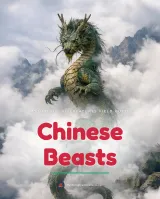
Yokai, Greek, Norse, Egyptian & Chinese. Five illustrated field guides to the creatures the old stories either warned or told you about.

Curated by the Mythological Creatures Team
Series editor: Mythological Creatures Directory
Primary desk: Hellenic & Ancient Mediterranean Desk
(rev. November 2025)