
Beast of Gévaudan: The Beast of Gévaudan was a man-eating creature that terrorized the former province of Gévaudan in south-central France between 1764 and 1767.
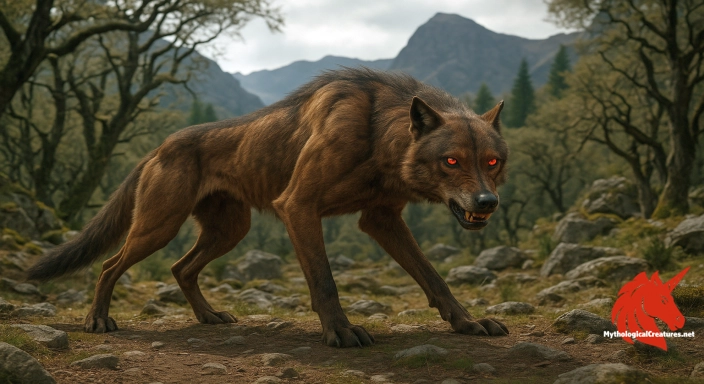
Beast of Gévaudan
Beast of Gévaudan - The Beast of Gévaudan is a culturally significant figure in French history, symbolising the terror that compelled a massive state-sponsored hunt and ignited enduring debates over its true nature.
Origins & First Encounters
The Beast of Gévaudan is a notorious figure that haunted the rugged landscape of south‐central France during the turbulent years of the mid-18th century. Emerging from the shadowy borders of folklore and recorded history, it instilled terror in the local communities residing in what was then the province of Gévaudan. Its first documented attacks were reported in the 1760s, a time when rural life was intermingled with rumours of supernatural occurrences. The creature’s reign of terror, marked by a series of brutal assault episodes, quickly became intertwined with the anxieties of a society grappling with political and social uncertainties. The state’s mobilisation of extensive resources underscored the impact the beast had on both local and royal authorities. Despite the passage of centuries, the memory of its rampages has persisted, coloured by ongoing debates about its true nature. Its mystique is enhanced by the blend of empirical accounts and the embellishments of oral history, creating an enduring myth. Ultimately, the Beast of Gévaudan stands as a compelling symbol of the interplay between human fear and the enigmatic forces of the natural world.
Source Texts & Tale Variants
Eyewitness testimonies, military dispatches, and official royal records form the core of the primary sources describing the creature’s rampage. Detailed chronicles and local accounts from villages in the affected region provide nuanced and often conflicting versions of the events. Some of these documents portray a singular, almost demonic predator while others hint at a succession of similar animals terrorising the countryside. Various letters and judicial commissions from the era offer disparate descriptions, reflecting both the chaos of the period and the diversity of local experience. The composite accounts range from stark factual reports to more vivid, almost allegorical narratives passed down through generations. As these records were compiled, they absorbed the fears and superstitions of a community thrown into disarray by inexplicable violence. This melding of official documentation with oral tradition has added layers of interpretation, ensuring that the story retains an aura of mystery. Such variant narratives continue to invite both scholarly investigation and popular speculation, making the beast a subject of ongoing historical and cultural debate.
Form & Powers
Contemporary descriptions paint a picture of a creature with a tawny, russet coat accented by dark stripes that trail along its form. Observers noted that its size varied between that of a calf and a cow, which contributed to its imposing presence and the uncertainty surrounding its identity. The beast was attributed with an unusual blend of animalistic features including formidable teeth and claws capable of inflicting gruesome wounds. One particularly distinct detail was its long tail, reported to exceed that of a wolf in length and terminating in a distinctive tuft of fur. Such accounts often emphasised a muscular build and a fluidity of movement that bordered on the supernatural. The creature’s physical portrayal changed subtly with each retelling, creating a mosaic of attributes that confounded simple classification. This variability in descriptions has led some to speculate that the accounts may refer to more than one animal or even to an aberrant specimen of a known species. The rich tapestry of physical details, while inconsistent, continues to fuel debates and inspires a vivid imagination that transcends simple natural explanations.
Regional Faces
The legend of the Beast of Gévaudan has been intricately adapted across various local traditions within and beyond its original geographic confines. In the heartland of Gévaudan, the beast was depicted through a prism of regional folklore that imbued it with both natural and supernatural qualities. Neighbouring areas, influenced by their unique cultural and historical contexts, often reshaped the narrative to reflect local fears and environmental characteristics. Some communities accentuated the ominous and otherworldly aspects of the creature, while others portrayed it simply as a misfortune born of the wild. Regional storytellers would sometimes incorporate local landmarks and natural features, aligning the beast’s myth with the contours of the Margeride Mountains and adjacent woodlands. Such local adaptations have led to variations in the reported physical traits and the estimated scale of the carnage. The differences in these accounts highlight how collective memory can be moulded by geographical and cultural influences, resulting in a multifaceted legend. This regional diversity not only deepens the mystery of the beast but also underscores the enduring power of folklore to reflect community identity and shared experience.
Cultural Parallels
The narrative of the Beast of Gévaudan finds fascinating parallels in other cultural legends that portray fearsome man-eaters and enigmatic predators. Similar to tales of the werewolf and other hybrid creatures across Europe, its story blurs the line between the natural and the supernatural. Mythological constructs from various cultures, such as the Chupacabra in Latin America, echo comparable themes of a mysterious beast terrorising human settlements. These cross-cultural comparisons reveal a universal human tendency to attribute inexplicable violence to creatures that exist at the margins of the known world. Both the physical description and the behavioural traits of the beast resonate with legends of predatory hybrids that have become metaphors for wild, uncontrollable nature. The convergence of different beastly legends highlights how societies project their deepest fears onto mythic figures that straddle the boundaries of animal instinct and the uncanny. In this comparative context, the Beast of Gévaudan serves as an archetype—a potent symbol that transcends regional boundaries and speaks to a shared cultural narrative. The enduring allure of such creatures attests to the power of myth in illuminating the darker aspects of the human psyche.
Legacy & Modern Evolution
The portrayal of the Beast of Gévaudan has undergone a dramatic evolution over the centuries, evolving from a source of immediate terror to an enduring cultural symbol. In the years following its reign, chroniclers recounted its exploits with a blend of horror and intrigue that captured the public imagination. Subsequent reinterpretations re-examined the accounts, suggesting that the legend might cover a series of misidentified common animals or even a manipulated political narrative. Modern reinterpretations have embraced the myth through literature, film, and art, often casting the beast as both a cautionary tale and a misunderstood antihero. This creature’s legacy is evident in local festivals, museum exhibits, and even contemporary media that continuously reimagine its story. The ongoing fascination with the Beast of Gévaudan reflects a broader cultural engagement with the unfathomable aspects of nature and the blurred line between myth and reality. Scholars, historians, and enthusiasts continue to debate its true character, attesting to the lasting impact of this legendary menace. Today, its narrative remains a powerful reminder of history’s intersection with myth, serving as a symbol of the wild’s enduring mystique in a modernised world.
Interesting Fact
One intriguing aspect of the Beast of Gévaudan is that, despite extensive historical documentation and numerous theories regarding its identity, modern scholars and enthusiasts remain divided over whether it was a naturally occurring animal or a creature elevated to mythic status by the cultural anxieties of its time.
Mythology commerce, done carefully
Align your store with our global myth audience
If you sell myth-inspired jewellery, prints, decks, or collectibles, we can feature your brand without overwhelming the reading experience.
Partner with usQuick Creature Info
Features:
Our Mythic Legendary Rating:

Also Sometimes Known As:
Habitat:
Supernatural Powers:
Physical Attributes:
Abilities:
Behavior:
Lore:
Related Creatures, Tales or Lore
- BBeast of Bray Road
- JJersey Devil
- LLoup-garou
References
Discover Another Mythical Legend You May Not Have Heard Of?
Uncover the mysteries of ancient folklore and expand your knowledge of legendary beings from cultures around the world.
Dare to Meet the Rhea....
-10985f31-39dd-4f03-a1c2-fe621e54affd_small.webp "Depiction of Rhea")
Curated by the Mythological Creatures Team
Series editor: Mythological Creatures Directory
Primary desk: Hellenic & Ancient Mediterranean Desk
(rev. November 2025)