
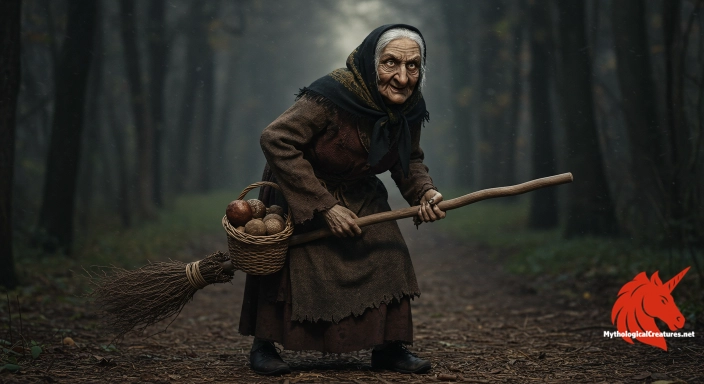
Befana: La Befana is a witch-like old woman from Italian folklore who visits children on Epiphany Eve to deliver gifts and coal.
Befana
Befana - An enduring emblem of Italian cultural tradition, Befana encapsulates the dual themes of reward and retribution during the festive season.
the legend in five swipes.
the legend in five swipes.
Where in the world does the Befana come from?
The Befana emerges as one of Italy’s most fascinating and enigmatic figures, whose presence illuminates the wintry nights of Epiphany. Her legend, steeped in a blend of pre-Christian mystique and early Christian symbolism, has been passed down through countless generations. Rooted in a world where myth and morality converge, she became known as the mysterious gift-bringer long before the modernisation of festive icons. Early attestations hint at her dual role as both a benevolent caretaker and a stern judge of children’s behaviour. Her character is interwoven with the seasonal celebrations that mark the transition from the old year to the new, embodying both warmth and admonition. While she shares similarities with figures like Santa Claus and the Three Magi, her origins remain intriguingly obscure. The rich tapestry of Italian folklore has gradually transformed her image from a shadowy wanderer into a cherished cultural emblem. Celebrated in both rural myths and urban festivities, the Befana continues to captivate the imagination by symbolising the enduring magic of the holiday season.
Which books and scrolls describe the Befana?
The narrative of the Befana has been preserved primarily through vibrant oral traditions and local folklore rather than through extensive ancient manuscripts. Her story is woven into the fabric of Italian cultural history as families and communities recount tales of a kind yet unpredictable old woman. Small-scale ethnographic records and regional accounts document her annual visits on Epiphany Eve, reinforcing a rich tapestry of narrative variants. Many local traditions celebrate her arrival with mumming, bonfires, and the burning of effigies that echo bygone eras. Despite the scarcity of formal literary sources, her legend is bolstered by generations of storytellers who have enriched her character through personal and communal experiences. Diverse regional customs have spawned variations in her portrayal, ensuring that her story remains dynamic rather than fixed. Over time, these myriad retellings have contributed to a composite image that blends historical memory with the creative liberties of folk art. Even in the absence of authoritative texts, the Befana’s tale lives on as a precious oral heritage that reinforces the collective imagination of Italy.
Did the Befana have any weaknesses?
The physical depiction of the Befana is as striking as it is memorable, marked by features that blend the whimsical with the mysterious. She is consistently illustrated as an elderly woman whose weathered face and expressive eyes hint at both kindness and enigma. Her grey or white hair often escapes from beneath a customary black shawl, adding to her image as a formidable, yet strangely endearing figure. Typically, her attire is modest and reflective of an older time, with tattered garments that have witnessed many winters. Soot, a hallmark of her legendary entry through chimneys, adorns her clothes and skin, symbolising her connection to the night and its mysteries. A well-worn broomstick, serving as both her transport and a potent emblem of independence, frequently accompanies her portrayal. The bag or hamper she carries is described as brimming with sweets, toys, or even the occasional lump of coal, providing a tangible link between her benevolence and her role as an enforcer of good behaviour. Subtle regional embellishments in her clothing further underscore the diversity of local artistry, ensuring that her physical representation remains a canvas for cultural expression. In every depiction, the Befana strikes a delicate balance between the fearsome aspects of a witch and the warm-hearted attributes of a generous benefactor.
Which regions tell stories of the Befana?
The Befana’s portrayal shifts subtly across the varied landscapes of Italy, reflecting the localized traditions and historical nuances of each region. In central Italy, for instance, communities engage in elaborate mumming performances on Epiphany Eve, where the burning of Befana effigies and bonfires symbolise the purging of the old to welcome the new. In contrast, the northern areas sometimes blend her image with other European winter legends, resulting in a depiction that is as much about mystery as it is about communal celebration. Southern traditions may accentuate her role as a kindly, almost maternal benefactor, with local festivals placing a greater emphasis on the distribution of sweets and treats. Variations in her name and costume across regions enhance the cultural mosaic that constitutes her legend. Each locality adapts her story to resonate with its own seasonal rites and values, thereby fostering a sense of unique communal identity. Such regional differences highlight not only the adaptability of the Befana mythos but also illustrate the broader interplay between ancient rituals and contemporary celebrations. The diversity in her portrayal across Italy transforms her into a dynamic symbol of national heritage, reflecting both unity and regional distinction.
How does the Befana compare to figures in other traditions?
A closer look at winter legends across Europe reveals that the Befana holds a distinctive place among figures who traverse the night to deliver gifts. Unlike the modern, polished image of Santa Claus, her depiction is rooted in rustic antiquity and is marked by an air of untamed mysticism. In comparison with the Three Magi, who are celebrated for their wise and regal journey, the Befana is portrayed as a more earthy figure whose actions are guided by moral retribution as much as by generosity. Her dual nature, combining elements of witchcraft with the warmth of a kindly elder, parallels similar narratives found in Germanic and Nordic folklore. While figures like the Christkind or the Yule Lad share the motif of discipline and reward, the Befana’s unique backstory and visual character set her apart. Her portrayal underscores a fascinating synthesis of ancient rituals with the evolving values of community and family life. This cross-cultural exchange of motifs serves to underline the universal themes of generosity, morality, and transformation during the winter season. The study of her legacy, alongside these culturally adjacent icons, enriches our understanding of how mythical archetypes adapt to time and place. Ultimately, the Befana stands as a mirror reflecting the shared human experience of wonder and the celebration of the mysterious during the darkest months of the year.
Where does the Befana appear in films and games?
The legacy of the Befana is one of continual reinvention, where an age-old tradition has gracefully adapted to the modern world. Over the centuries, her image has shifted from that of a fearsome witch to a cherished, if quirky, figure who brings delight as well as a subtle moral lesson. Her narrative has maintained a dual essence, balancing the ancient superstitions of yore with the light-hearted spirit of contemporary festive celebrations. Artistic representations, from traditional paintings to modern digital illustrations, showcase her enduring charm and the adaptability of her myth. Festive parades and theatrical performances during Epiphany now celebrate her as both an emblem of cultural heritage and a playful symbol of winter magic. The transformation of her character reflects broader societal changes, where historical reverence meets modern commercial and artistic reinterpretation. Even as the world modernises, the Befana remains a potent reminder of Italy’s rich folkloric traditions and the timeless nature of myth. Today, she bridges the gap between the past and the present, enchanting both young and old with a narrative that is as instructive as it is entertaining. Her celebrated evolution ensures that the spirit of ancient storytelling continues to thrive in the heart of modern festivities.
Interesting Fact
An intriguing aspect of Befana is that, despite her role in punishing the naughtier children, she is embraced with warmth and humor, highlighting the complex interplay between fear and affection in Italian folklore.
Mythological Treasures
Japanese Yokai: A field guide to the spirits and demons of Japanese folklore
Fifteen spirits, with the signs to watch for and what the old tales say to do if you meet one.
Greek Myths: A field guide to the monsters of ancient Greece
Every monster here earned its place in legend, and each gets a full page of artwork and the story behind it.
Norse Sagas: A field guide to the beasts of the Viking world
Drawn from the saga accounts themselves, with the powers, weaknesses and doom of each being set out.
the legend in five swipes.
For serious mythcraft
Your project belongs among the legends
If your work deepens how people understand, play with, or teach mythology, a sponsor placement here keeps it in front of the right readers all year.
Submit a sponsorship enquiryQuick Creature Info
Origin:
Features:
Associations:
Our Mythic Legendary Rating:

Habitat:
Supernatural Powers:
Physical Attributes:
Abilities:
Behavior:
Lore:
References
Discover Another Mythical Legend You May Not Have Heard Of?
Uncover the mysteries of ancient folklore and expand your knowledge of legendary beings from cultures around the world.
Dare to Meet the Tilla....
-09487ce1-c930-483e-b838-b696a2d3a3e6_small.webp "Depiction of Tilla")
The Mythological Creatures Book Series
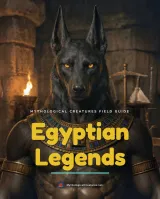
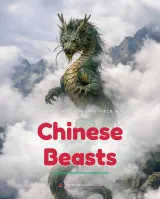
Yokai, Greek, Norse, Egyptian & Chinese. Five illustrated field guides to the creatures the old stories either warned or told you about.
Curated by the Mythological Creatures Team
Series editor: Mythological Creatures Directory
Primary desk: Hellenic & Ancient Mediterranean Desk
(rev. November 2025)