
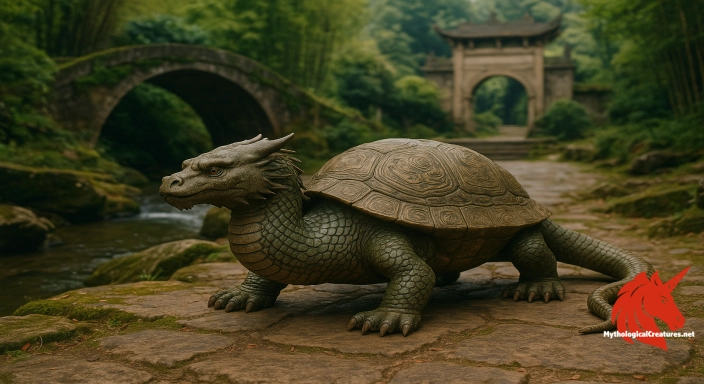
Bixi: Bixi is a mythological figure from Chinese lore, depicted as a dragon with a turtle shell.
Bixi
Bixi - Bixi serves as a powerful symbol of endurance and good fortune, bridging mythological heritage with imperial commemoration.
the legend in five swipes.
the legend in five swipes.
The Beginnings of Bixi
Bixi is an iconic figure in Chinese mythology, celebrated as one of the nine distinguished sons of the Dragon King, and symbolises a harmonious fusion of dragon might and turtle steadfastness. His origins are steeped in ancient cultural traditions where mythical creatures embodied the forces of nature and served as guardians of cosmic order. Emerging during a period when dragons were venerated as celestial beings, Bixi was uniquely crafted to combine aerial power with the enduring solidity of the turtle. Early representations of Bixi appeared on stone plinths used to support commemorative steles, linking him to both imperial reverence and funerary traditions. His imagery was not only decorative but also served as a bringer of luck and longevity to those who honoured his presence. Over the years, the myth of Bixi became interwoven with the social and political fabric of China, symbolising both protection and historical memory. His dual nature—part dynamic dragon and part steadfast turtle—reflects the ancient belief in the balance of opposites. With each carving, Bixi communicated the interplay between ephemeral power and eternal endurance. This enduring myth has solidified his status as a timeless emblem of auspicious fortune and cultural continuity.
Which versions of the Bixi story survive?
Historical records and carved stone monuments provide rich evidence for the myth of Bixi, with many ancient steles proudly displaying his image. Inscriptions on these stone structures serve as primary sources that reveal his integration into the cultural and political life of imperial China. Various imperial records and temple engravings mention him as one of the nine legendary sons of the Dragon King, emphasising his mythological pedigree. Multiple narrative variants coexist, with some accounts portraying him as a robust guardian of commemorative events and others linking him to the rites of ancestral veneration. Oral traditions have also preserved distinctive versions of his story, enriching the myth with layers of regional colour and symbolism. Artistic depictions found on funerary complexes underline his function as a bearer of historical memory and collective identity. Literary texts and poetic verses have, over time, expanded on his lore, providing allegorical insights into his protective role. The coexistence of these diverse sources demonstrates the adaptability of his mythos throughout changing dynastic eras. Through the convergence of written, oral, and artistic testimonies, Bixi’s narrative has been steadily reinforced as a pivotal element in Chinese myth.
Bixi: Powers, Strengths and Vulnerabilities
Bixi is portrayed with a striking synthesis of the fluid lines of a dragon and the robust armor of a turtle, creating a distinctive hybrid form. His elongated, sinuous body is adorned with intricately carved scales that evoke the dynamic essence of celestial dragons. The imposing turtle shell that forms the foundation of his being is rendered with detailed textures and symbolic motifs, suggesting both protection and longevity. His draconic features—often including a powerful head with resolute eyes and curved horns—imbue him with an air of authority and mystique. Carvings frequently capture the delicate balance between movement and stillness, with every line and curve carefully crafted to symbolise enduring strength. Variations in artistic style across different periods reveal both fluid, almost ethereal depictions and more grounded, sculpted representations. Every element of his design, from the intricacies of his scales to the enigmatic patterns on his shell, underscores his role as a guardian and bearer of history. Celebrated as much for his aesthetic beauty as for his emblematic significance, Bixi’s physical depiction continues to inspire admiration among both artists and historians. The meticulous detail in the stone carvings serves to communicate a narrative of resilience, stability, and the timeless flow of mythic tradition.
Where was Bixi best known?
The portrayal of Bixi has been enriched by regional influences throughout East Asia, with his form adapting to the artistic and cultural sensibilities of different communities. In mainland China, his statues predominantly appear on imperial monuments and funerary complexes, where they reflect the grandeur and ritual majesty of dynastic traditions. In places such as Taiwan and Hong Kong, local artisans infuse additional motifs and subtle stylistic variations that complement the traditional features of his design. These regional interpretations often incorporate distinctive decorative elements or inscriptions that highlight local historical narratives. Far beyond China, in the Russian Far East, Bixi’s imagery is sometimes intertwined with indigenous mythological symbols, creating a unique synthesis of Chinese legend and regional lore. Variations in carving techniques and stone materials contribute to differences in texture, form, and scale across different regions. Each locale honours the core attributes of Bixi while also tailoring his representation to resonate with local cultural values. This diversity in depiction reinforces his status as a dynamic figure capable of bridging cultural divides. Ultimately, the regional adaptations of Bixi illustrate the fluid nature of myth, where a singular mythological archetype can be reinterpreted to suit distinct social, artistic, and geographical contexts.
What makes Bixi different from similar figures?
Bixi’s unique form, merging the characteristics of both dragon and turtle, invites comparisons with hybrid creatures in various mythological traditions around the world. His depiction is particularly resonant with the Chinese tortoise—a vital symbol of longevity, steadfastness, and cosmic wisdom. Similar to other hybrid mythic beings, Bixi encapsulates a balance between seemingly disparate elements, a theme that recurs in cultural expressions from East Asia to other regions. In many ways, his combination of aerial and terrestrial qualities places him in a similar conceptual space as other legendary guardians who bridge the gap between the divine and the earthly. Across different cultures, creatures that embody dual aspects are often celebrated as symbols of harmony and protection. Bixi stands alongside these figures as a testament to the universal human desire to merge contrasting forces into a unified emblem of strength. The dual symbolism inherent in his form—where the fluid motion of a dragon meets the enduring stability of a turtle—mirrors analogous motifs found in a wide variety of mythologies. This cross-cultural similarity underscores the shared human fascination with hybrid beings that embody complexity and balance. Through comparative analysis, it becomes clear that Bixi, like many mythological hybrids, serves as a powerful metaphor for the integration of opposites in the pursuit of unity and endurance.
How has Bixi changed over time?
Bixi’s legacy is a vivid tapestry woven through centuries of art, architecture, and cultural memory, continuing to inspire both reverence and creativity. Over the ages, his carved stone representation has remained a fixture in imperial tombs, grand bridges, and ceremonial archways, symbolising profound respect for history and tradition. Successive dynasties adapted his image to reflect contemporary artistic preferences and the shifting cultural landscape, thereby reinvigorating his myth with fresh meaning. Modern restoration and conservation efforts highlight both the aesthetic and historical significance of Bixi, even as the act of rubbing these statues for good luck poses conservation challenges. Contemporary artists and architects have rediscovered his image, reinterpreting it through modern media and design to bridge the ancient with the contemporary. Bixi has transcended his original mythological context to become an enduring symbol of protection, fortune, and resilience in public space. His role in commemorative architecture continues to evoke a sense of timeless continuity amid rapid modernisation. As a focal point in museums and historical sites, his enduring image connects modern communities with their ancient cultural heritage. This dynamic legacy embodies the evolution of myth into modern symbolism, ensuring that Bixi remains a resonant figure in both tradition and contemporary discourse.
Interesting Fact
An interesting observation about Bixi is that his stone sculptures, often rubbed for good luck, face conservation challenges due to the wear from frequent human interaction.
Mythological Treasures
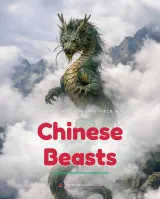
Chinese Beasts: A field guide to the dragons and demon kings of Chinese myth
From river dragons to demon kings, with the legends that shaped five thousand years of storytelling.
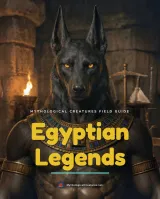
Egyptian Legends: A field guide to the gods and monsters of ancient Egypt
Guardians of the living and devourers of the dead, with the role each played in judgement.
Japanese Yokai: A field guide to the spirits and demons of Japanese folklore
Fifteen spirits, with the signs to watch for and what the old tales say to do if you meet one.
the legend in five swipes.
For publishers and studios
Your next readers are already here
Many of our visitors are looking for books, campaigns, and resources that deepen their journey into myth. Position your title or setting here.
Discuss a placementQuick Creature Info
Features:
Associations:
Our Mythic Legendary Rating:

Also Sometimes Known As:
Habitat:
Supernatural Powers:
Physical Attributes:
Abilities:
Behavior:
Lore:
Related Creatures, Tales or Lore
- CChiwen
- YYazi
- TTurtle in Chinese symbolism
References
Discover Another Mythical Legend You May Not Have Heard Of?
Uncover the mysteries of ancient folklore and expand your knowledge of legendary beings from cultures around the world.
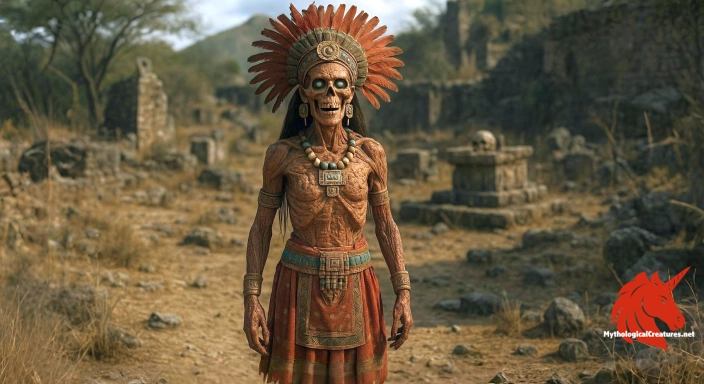
Dare to Meet the Mictēcacihuātl....
The Mythological Creatures Book Series
Yokai, Greek, Norse, Egyptian & Chinese. Five illustrated field guides to the creatures the old stories either warned or told you about.

Curated by the Mythological Creatures Team
Series editor: Mythological Creatures Directory
Primary desk: Asian & Pacific Myth Cycles Desk
(rev. November 2025)