
Camazotz: Camazotz is a bat spirit from Late Post-Classic Maya mythology, known as the 'death bat'.

Camazotz
Camazotz - Camazotz represents the terror of the night and the inevitability of death, playing a key role in Mesoamerican narratives surrounding sacrifice and the underworld.
Origins & First Encounters
Camazotz is a striking figure woven into the fabric of Maya myth, embodying the mysterious forces of night and death with a power that continues to resonate. Its very name, meaning 'death bat' in the K’iche’ language, immediately evokes an image of ominous transformation and the inevitable embrace of the underworld. Emerging during the Late Post-Classic period, this entity is firmly rooted in a spiritual tradition that views the night as a doorway to realms beyond mortal understanding. Legends recount its service to the lords of the underworld, where it plays a pivotal role in escorting souls and enforcing cosmic order. The depictions of Camazotz in ancient narratives fuse elements of terror and respect, reflecting a complex interplay between human mortality and the supernatural. Intricately linked to themes of sacrifice and renewal, it remains both a harbinger of death and a symbol of profound mystical transformation. The creature’s enduring presence in myth illustrates a cultural fascination with the boundaries between life and death, and the transformative power of darkness. In its many retellings, Camazotz bridges the physical and metaphysical, urging a reconsideration of the limits between the known and the unknown. Its legacy in Maya cosmology stands as a testament to the deep symbolic language employed by ancient societies to interpret the forces that govern existence.
Source Texts & Tale Variants
The narrative of Camazotz is most famously chronicled in the Popol Vuh, where his fearsome role and association with the underworld are brought to life. Ancient texts such as this serve as a crucial anchor, detailing the bat spirit’s identity and its function within the complex framework of Maya cosmology. Variants of the myth emerge in diverse oral traditions, each adding distinctive details to the portrayal of this enigmatic entity. Supplementary iconographic evidence found on murals and codices further enriches our understanding by corroborating the textual accounts with vivid imagery. In various retellings, subtle changes in the narrative showcase regional adaptations that emphasise different aspects of his character. The stories closely entwine ritual symbolism with the literal depiction of a bat, highlighting a recurring theme of transformation and retribution. As these primary sources interlace with later interpretations, they create a multi-layered mythos that invites deep exploration and analysis. Over time, additional story variants have surfaced, each contributing unique nuances to the original legend. This confluence of ancient texts and evolving oral traditions ensures that the myth of Camazotz remains both complex and compelling.
Form & Powers
Depictions of Camazotz are as multifaceted as the myths themselves, blending naturalistic traits with supernatural embellishment. Characteristic features include expansive, membranous wings that stretch wide enough to engulf the night sky in a cloak of darkness. His eyes are often rendered as piercing and luminous, evoking an unsettling intensity that haunts the observer. The creature’s form is typically adorned with sharp talons and an agile, sinewy body that indicates both predatory grace and inherent menace. Artistic representations vary, with some emphasising a skeletal, almost ghostly countenance while others depict a more robust, muscular physique. Intricate markings embellish his visage, mirroring the geometric patterns seen in ancient Maya art and symbolising ceremonial power. Variability in size is a recurrent theme, at times suggesting a colossal shadow over the realm of mortals, and at others inferring a more diminutive, yet equally ominous, presence. The interplay between his physical attributes and symbolic significance underscores a design that is both awe-inspiring and cautionary. Each detail, from the aerial spread of his wings to the contours of his facial features, contributes to a depiction that is both viscerally frightening and steeped in cultural meaning.
Regional Faces
The myth of Camazotz has travelled across various regions of Mesoamerica, each culture adapting his image to reflect local spiritual and environmental contexts. In highland Maya traditions, the bat spirit is often interwoven with ceremonies that mark the passage between life and the underworld, reinforcing the idea of transition. Lowland communities have tended to emphasise more apocalyptic aspects, portraying him as a foreteller of death during periods of seasonal change. The creature’s attributes are interpreted differently depending on the locale, sometimes being seen purely as a symbol of death, while in other regions he is revered as a powerful guardian of cosmic order. Local rituals may depict Camazotz in artistic motifs on pottery and temple carvings, capturing a visual legacy that adapts to regional aesthetics. In some areas his role extends beyond malevolence, also representing fertility and the cyclical nature of time through the transformative night. The diversity in these regional variations demonstrates a dynamic dialogue between indigenous belief systems and the universal themes of mortality and rebirth. As communities interact with the myth, they embed their own cultural values into the story, enriching its narrative fabric. This regional pluralism highlights the adaptability of ancient symbols in the face of differing traditions and localised spiritual needs.
Cultural Parallels
An exploration of Camazotz in the context of global mythology reveals striking similarities with other nocturnal and transformative entities. His role as a mediator between the earthly realm and the underworld invites comparisons with shadowy figures in various cultural traditions who govern transitions across the boundary of life and death. Notably, similar themes are echoed in other Mesoamerican deities, where bat symbolism often encapsulates elements of both terror and transcendence. In European folklore, bat imagery is similarly associated with vampirism and the supernatural, though it is typically infused with a different narrative tone. Across continents, creatures that inhabit the night serve as potent symbols of mystery and the unknown, with each tradition contributing unique layers of meaning. The dual nature of Camazotz, embodying both destruction and protection, finds a counterpart in myths where the night serves as a gateway to profound transformation. In various indigenous cultures, nocturnal beings are revered and feared in equal measure, providing a rich comparative framework for understanding these symbols. The convergence of these mythic elements underscores an almost universal fascination with the darkness as a realm of both peril and possibility. Such comparative analysis not only situates Camazotz within a broader global mythos but also highlights the enduring human quest to make sense of the mysteries of existence.
Legacy & Modern Evolution
Over the centuries, Camazotz has transitioned from an ancient ritual figure to an enduring symbol in modern cultural narratives. The creature's chilling legacy continues to captivate the imagination, with his image being reinterpreted in a variety of contemporary artistic and literary forms. Modern media often harnesses his ominous presence as a metaphor for the inexorable cycle of life and death, exploring themes of transformation and renewal. The evolution of his depiction mirrors a broader shift in cultural attitudes, where the boundaries between horror, art, and spirituality become increasingly fluid. Contemporary reinterpretations reframe Camazotz as a complex emblem that resonates with modern concerns, including environmental and existential anxieties. Indigenous communities persist in preserving his myth, blending ancient rituals with new expressions to keep the spirit alive. Urban art, graphic novels, and digital media have all contributed to a renaissance of interest in this bat spirit, highlighting his relevance in a modern context. Such revitalisation underscores the timeless nature of his symbolism, as each generation rediscovers the potent allure of the mysterious night. The continuous reinvention of Camazotz ensures that his myth remains a vital, living narrative within the cultural imagination.
Interesting Fact
An intriguing aspect of Camazotz is that his very name, meaning 'death bat', directly encapsulates his dark role in Maya mythology, demonstrating how language and belief intertwine to express fundamental cultural attitudes toward death.
Reach myth fans
Connect your myth-driven brand with this audience
Our readers are writers, educators, gamers, and collectors who care about mythology. Enquire about a limited sponsor placement on creature pages.
Enquire about sponsorshipQuick Creature Info
Origin:
Associations:
Our Mythic Legendary Rating:

Also Sometimes Known As:
Habitat:
Supernatural Powers:
Physical Attributes:
Abilities:
Behavior:
Lore:
Related Creatures, Tales or Lore
- TThe Aztec bat god
- OOther Mesoamerican bat-associated deities
References
Discover Another Mythical Legend You May Not Have Heard Of?
Uncover the mysteries of ancient folklore and expand your knowledge of legendary beings from cultures around the world.
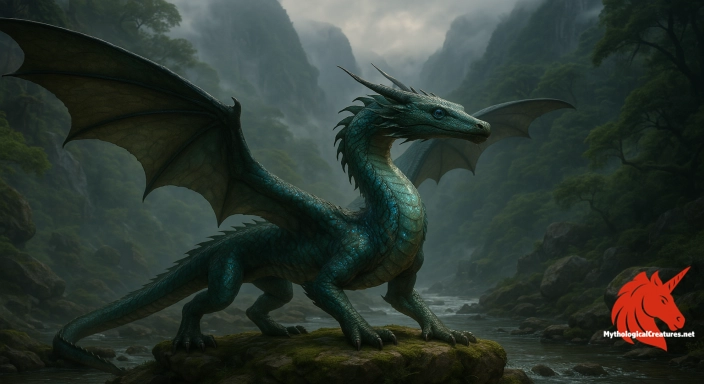
Dare to Meet the Yinglong....
Curated by the Mythological Creatures Team
Series editor: Mythological Creatures Directory
Primary desk: Americas & Indigenous Traditions Desk
(rev. November 2025)