
Cleothera: Cleothera is a Greek mythological figure known as the 'glory seeker'.
Cleothera
Cleothera - Cleothera embodies the interplay between mortal fate and divine intervention, transitioning from a life of mortal loss to one of divine service under Aphrodite and in service of the Furies.
the legend in five swipes.
the legend in five swipes.
When was Cleothera first written about?
Cleothera is an enigmatic figure from Greek mythology, born to Pandareus and Harmothoë, whose origins evoke both mystery and mortal complexity. Her name, meaning 'glory seeker', suggests a life devoted to the pursuit of honour and eternal acclaim. Emerging from the rich cultural traditions of western Asia Minor or Crete, she embodies the crossroads of regional myth and divine intervention. Orphaned at an early age, she and her sister Merope were embraced by Aphrodite, linking them to the realm of beauty and seduction. This early adoption by the goddess of love set the stage for later involvement with the darker powers of the Furies. Over time, Cleothera’s destiny evolved into a narrative that interweaves divine benevolence with the demands of retributive justice. Her tale highlights the perennial tension between the luminous forces of love and the shadowy impulses of vengeance. Ultimately, her myth remains a compelling testament to the complexity of human aspiration and the inexorable influence of fate.
What are the earliest texts about Cleothera?
Ancient texts and mythographical compendiums offer fragmented accounts of Cleothera’s life, blending oral tradition with poetic embellishment. Various classical sources recount her lineage as the daughter of Pandareus and Harmothoë, establishing the foundation of her multifaceted narrative. References to her adoption by Aphrodite appear sporadically in scholia and other auxiliary manuscripts, where the nuanced interplay between love and retribution is hinted at. Certain narratives stress the transformative effect of divine intervention on her early existence, thereby shaping her later allegiance to the Furies. Multiple story variants provide subtle differences in her upbringing and subsequent role, reflecting the fluidity inherent in the transmission of myth. In some retellings, her involvement with the Furies is underscored by allegorical details that symbolise the inevitable clash between human desire and cosmic justice. These diverse accounts, though occasionally contradictory, collectively underscore the enduring allure of her myth. Later compilations and commentaries have reassessed her tale, contributing additional layers of interpretative richness. Such varied source materials continue to fuel modern debates about the veracity and symbolism behind her legendary exploits.
Cleothera: Appearance and Abilities
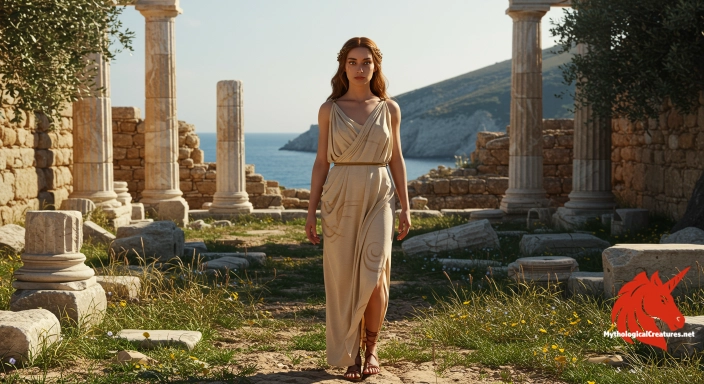
Artistic depictions of Cleothera frequently reveal a blend of delicate mortal beauty and an unmistakable divine aura. She is often portrayed with luminous, expressive eyes that seem to mirror both her inner turmoil and her ethereal grace. Many renderings capture her flowing hair, which cascades in majestic waves reminiscent of the radiance associated with Aphrodite. Her attire is typically depicted as elegant and flowing, accentuating the contrast between her tender femininity and the formidable aspects of her destiny. Detailed portrayals frequently highlight subtle features—a measured posture and an enigmatic gaze—that hint at her dual nature. Occasional elements such as faint scars or symbolic adornments have been incorporated to suggest the burdens of her service to the Furies. The varied artistic interpretations of her size and form underscore a dynamic range of aesthetic ideals, from statuesque to more delicately human. In every depiction, the interplay of softness and latent ferocity in her appearance invites viewers to appreciate the layered symbolism that defines her enduring myth.
Where is the legend of Cleothera strongest?
Cleothera’s myth has been reinterpreted across a wide array of regional traditions, reflecting the diverse cultural landscapes of the ancient Mediterranean. In Asia Minor, her narrative is often intertwined with local rites that celebrate resilience and the inexorable nature of divine retribution. Cretan traditions particularly emphasise her connection to the land, merging elements of nature with the celestial forces that shaped her fate. In Anatolian adaptations, she is sometimes portrayed as a mediator bridging the benevolent attributes of Aphrodite with the severe mandates of the Furies. Other regional retellings, especially from neighbouring Italic cultures, add further narrative layers that highlight themes of redemption and cyclical vengeance. Localised variations frequently adapt details of her early life and divine associations to resonate with distinct communal values and rituals. Each cultural iteration preserves the core duality of her character while allowing for unique local embellishments. The evolution of her myth in these varied regions illustrates the flexible and adaptive nature of myth-making in antiquity. This regional multiplicity not only enriches her character but also underscores the universal appeal of her story across different communities.
How does Cleothera compare to figures in other traditions?
The multifaceted persona of Cleothera resonates with mythological figures from a broad spectrum of ancient cultures, encapsulating the eternal struggle between love and retribution. Her dual allegiance reflects a common archetype found in numerous traditions where the forces of beauty and vengeance coexist in a delicate balance. Comparative analysis reveals similarities with other hybrid deities who dwell on the boundary between mortal frailty and divine power. For example, figures in Near Eastern and Roman mythologies also mirror the interplay of nurturing grace and punitive might. These resonances underscore a universal human fascination with characters who embody contrasting and often contradictory traits. The layers in her narrative invite comparisons to Eastern mythic figures, where dualities such as light versus darkness are a recurring theme. Such cross-cultural parallels emphasise the shared symbolic language of myth, where elemental forces frequently congregate in a single, complex persona. By drawing these comparisons, one can appreciate how Cleothera not only stands as a unique mythological entity but also as part of a larger tapestry that spans disparate cultural realms. Ultimately, her story reinforces the idea that myth transcends geographical boundaries to touch on universally resonant human experiences.
What does Cleothera mean to people today?
Over the centuries, the myth of Cleothera has evolved in response to shifting cultural and artistic sensibilities, mirroring the changing priorities of each era. In ancient times, she was revered as a figure encapsulating the paradoxical blend of divine allure and the rigours of retributive justice. During the Renaissance, artists and poets rediscovered her narrative, using her dual nature as a rich metaphor for the conflicts inherent in the human condition. Later literary and artistic reinterpretations have cast her as a symbol of resilience and the complexities of inner strength, often highlighting the tension between beauty and force. Her evolving legacy is evident in modern creative works where her myth is invoked to explore themes of transformation, duality, and the quest for personal glory. Contemporary scholarship has expanded upon her layered character, drawing attention to the way her story mirrors modern anxieties about identity and destiny. Theatre, literature, and visual arts continue to find inspiration in her enigmatic presence. As modern interpretations blend ancient lore with current cultural narratives, Cleothera’s enduring myth serves as a bridge between past and present, constantly reaffirming her status as a captivating figure in the pantheon of myth. In this way, her legacy is not merely a relic of antiquity but a vibrant symbol that continues to stimulate both creative and academic exploration.
Interesting Fact
An intriguing aspect of Cleothera's legend is her metamorphosis from a mourning mortal orphan into a key servant of divine forces, illustrating the deeply interwoven realms of love and vengeance in Greek mythology.
Mythological Treasures
Greek Myths: A field guide to the monsters of ancient Greece
Every monster here earned its place in legend, and each gets a full page of artwork and the story behind it.
Japanese Yokai: A field guide to the spirits and demons of Japanese folklore
Fifteen spirits, with the signs to watch for and what the old tales say to do if you meet one.
Norse Sagas: A field guide to the beasts of the Viking world
Drawn from the saga accounts themselves, with the powers, weaknesses and doom of each being set out.
the legend in five swipes.
Reach myth fans
Connect your myth-driven brand with this audience
Our readers are writers, educators, gamers, and collectors who care about mythology. Enquire about a limited sponsor placement on creature pages.
Enquire about sponsorshipQuick Creature Info
Origin:
Features:
Associations:
Our Mythic Legendary Rating:

Also Sometimes Known As:
Habitat:
Physical Attributes:
Abilities:
Lore:
Related Creatures, Tales or Lore
- MMerope
- AAlcmene
- IIo
References
Discover Another Mythical Legend You May Not Have Heard Of?
Uncover the mysteries of ancient folklore and expand your knowledge of legendary beings from cultures around the world.
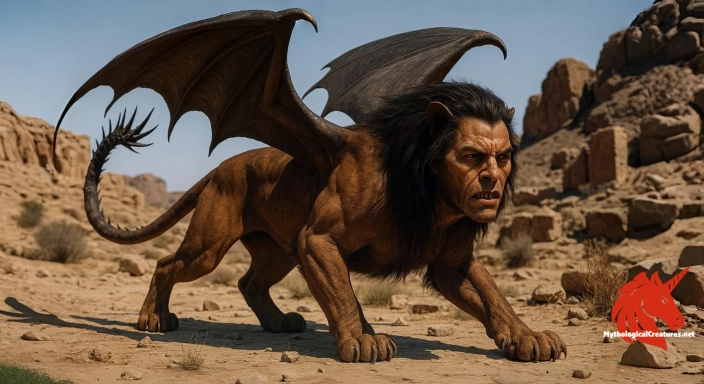
Dare to Meet the Manticore....
The Mythological Creatures Book Series
Yokai, Greek, Norse, Egyptian & Chinese. Five illustrated field guides to the creatures the old stories either warned or told you about.


Curated by the Mythological Creatures Team
Series editor: Mythological Creatures Directory
Primary desk: Hellenic & Ancient Mediterranean Desk
(rev. November 2025)