
Cryptid whale: The Cryptid whale is an enigmatic giant cetacean known from maritime legends and cryptozoological accounts.
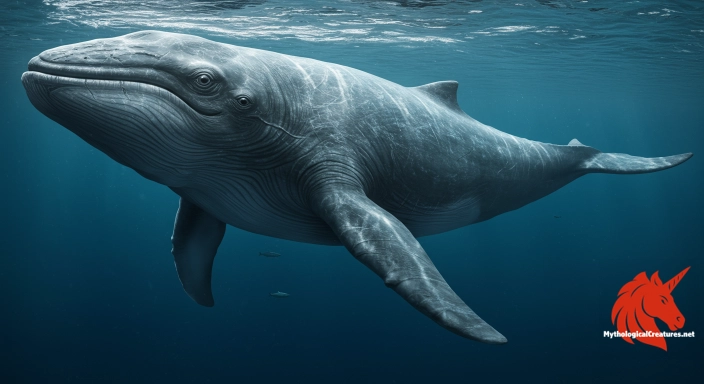
Cryptid whale
Cryptid whale - Serves as a symbol of the unknown depths of the ocean and the enduring mystery of nature
the legend in five swipes.
the legend in five swipes.
How did the Cryptid whale enter folklore?
The mysterious cryptid whale has been a captivating subject in maritime lore for centuries, intriguing both sailors and modern enthusiasts with its enigmatic presence. It is an elusive cetacean entity that has emerged from the depths of seafaring tales, often defying the natural classifications established by conventional marine biology. Its origins are deeply interwoven with the age of exploration, where early mariners and whalers recorded inexplicable encounters with what they could not identify. Eyewitness accounts from diverse eras and regions attest to sightings that transcend known species, thereby embedding the creature firmly in the world of cryptozoology. Historical narratives reflect a complex interlace of myth and possibility, where the absence of type specimens fuels further speculation. Stories of the cryptid whale have been passed down through generations, each retelling imbuing the creature with ever-changing details and supernatural qualities. The very mention of its name evokes a sense of wonder and mystery, imbuing seafaring cultures with an enduring legacy of the unknown. Maritime communities have long regarded these creatures as omens or mystical entities, intertwining their fate with human endeavour and the awe of nature.
Cryptid whale: Manuscripts, Texts and Variants
The primary sources detailing cryptid whales predominantly arise from the logbooks and diaries of sailors who navigated treacherous waters and encountered phenomena that defied explanation. Extravagant tales have been passed down through oral tradition as well, capturing the hearsay of those who witnessed these odd marine giants firsthand. The accounts are as varied as the waters they originate from, ranging from fragmented sketches in weathered notebooks to vivid narrations recounted in coastal taverns. Notable variants include Giglioli's Whale, the rhinoceros dolphin, Trunko the high-finned sperm whale, and the Alula whale, each contributing yet another piece to the puzzle. Some narratives detail encounters with creatures exhibiting unusual behaviours and physical traits that do not match those of recognised whale species. Over time, these disparate reports have been compiled and interpreted by cryptozoologists, who home in on the common threads that hint at an unknown cetacean form. Historical records, although scant in objective evidence, continue to invigorate the discussion among both scientists and enthusiasts seeking to reclaim these elusive giants. The diversity of sources, spanning from formal maritime logs to anecdotal folklore, all contributes to an ever-evolving narrative enriched by the power of legend.
Cryptid whale: Physical Form and Supernatural Powers
Descriptions of the cryptid whale paint a picture of an animal that both resembles and defies conventional cetacean anatomy. Observers often describe an unusual silhouette, blending familiar whale features with elements that hint at a mysterious departure from the norm. Some accounts mention an elongated body equipped with a striking, high-set dorsal fin that appears disproportionately large in comparison to its overall form. In other sightings, features such as a protruding, horn-like snout reminiscent of a rhinoceros emerge, lending the creature an almost mythical aspect. Variations in eye shape and pigmentation have been reported, with certain witnesses claiming asymmetry that challenges standard biological norms. Detailed narratives sometimes indicate the presence of irregular, bony protuberances along the flanks, as if the creature’s evolutionary path diverged from that of known species. The creature’s size seems to oscillate between being akin to the robust blue whale and resembling the more agile, high-finned sperm whale dubbed Trunko. Subtle markings, mottled patterns and hints of unexpected textures enhance its surreal appearance, making it appear as an amalgam of several cetacean traits. These physical peculiarities serve as focal points of debate, with each distinctive feature adding depth to the layered mystery surrounding the cryptid whale.
What regional forms of the Cryptid whale exist?
The legend of the cryptid whale adapts distinctively to regional maritime cultures, reflecting the varied experiences of coastal communities around the globe. In Mediterranean waters, for instance, encounters with creatures like Giglioli's Whale are infused with the region’s rich classical heritage and maritime customs. Northern Atlantic narratives often circulate around the high-finned Trunko, with local seafarers describing a creature that stands out against the foggy, tumultuous backdrop of the North Sea. In the warmer climes of the Caribbean and certain parts of the South Pacific, the cryptid whale takes on a softer, almost spiritual aspect, frequently being associated with mysticism and ancient sea deities. Local folklore in these regions sometimes attributes prophetic qualities to the whale, viewing it as an omen of change or a guardian of the underwater realm. Regional variations also emerge in the physical descriptions—the so-called rhinoceros dolphin being noted for its horn-like feature in some tropical waters, while others report variations in size and colouration. These differences underscore how environmental conditions and cultural narratives shape interpretations and descriptions of the creature. Each regional account enriches the overall tapestry of the myth, blending biological plausibility with culturally significant symbolism.
Cryptid whale: Related Figures Across Cultures
Across diverse cultures, the cryptid whale finds intriguing parallels with other legendary sea creatures, forging a web of myth that crosses geographical boundaries. Similar to the ancient myth of Cetus—a monstrous sea creature from Greek lore—cryptid whales evoke a sense of both wonder and trepidation. The aggregation of uncanny traits, such as atypical dorsal structures and hybrid anatomical features, invites comparisons with the fabled Kraken and other mysterious leviathans that have haunted sailor’s imaginations. In many ways, these creatures serve as mirrors to humanity’s enduring fascination with the deeps: a mixture of scientific curiosity and mythic archetypes representing the unknown. Tales of unidentified sea giants, whether from Norse sagas or remote island legends, share remarkable commonalities with the cryptid whale, suggesting a universal narrative in which nature’s marvels are amplified by the mysterious vastness of the ocean. This cross-cultural dialogue not only highlights the similarities in human responses to the marine unknown but also underlines the unique role that cryptid whales play as potential bridges between myth and biology. The comparative analysis reveals that while each culture adapts the image of its oceanic enigma, a core theme of awe and terror perseveres. Such resonances underscore the timeless quality of marine mysteries, where myth and empirical wonder coalesce in stories passed down through the ages.
Cryptid whale in Modern Culture
The portrayal of cryptid whales has evolved considerably over time, reflecting shifts in both scientific understanding and cultural sentiment toward the ocean’s secrets. Early maritime reports provided the first spark of inspiration, with rough sketches and fleeting descriptions captured in weathered logbooks. As centuries passed, such accounts merged with folklore, eventually giving rise to a modern mythos that challenges conventional taxonomic boundaries. In the contemporary era, these intriguing sightings continue to ignite the curiosity of cryptozoologists and marine biologists alike, prompting discussions about the possibility of undiscovered species inhabiting deep or unexplored waters. Advances in technology, such as sophisticated underwater imaging and genetic analysis, have reinvigorated the debate, even as definitive evidence remains elusive. The cryptid whale has also permeated popular culture, appearing in documentaries, films, and literature that straddle the line between fact and fable. Its modern legacy is one of dual identity: both a relic of ancient maritime superstition and a symbol of nature’s capacity to surprise and confound. Despite rigorous scientific scrutiny, the allure of the cryptid whale endures, inviting contemporary audiences to wonder what mysteries might still lurk beneath the ocean’s surface.
Interesting Fact
An intriguing aspect of the Cryptid whale is its ability to remain an enigma for centuries, inspiring countless legends and captivating the imagination of seafarers worldwide.
Mythological Treasures
Greek Myths: A field guide to the monsters of ancient Greece
Every monster here earned its place in legend, and each gets a full page of artwork and the story behind it.
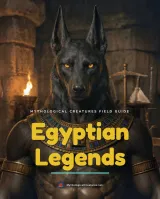
Egyptian Legends: A field guide to the gods and monsters of ancient Egypt
Guardians of the living and devourers of the dead, with the role each played in judgement.
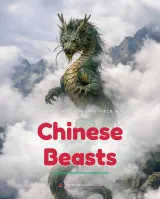
Chinese Beasts: A field guide to the dragons and demon kings of Chinese myth
From river dragons to demon kings, with the legends that shaped five thousand years of storytelling.
the legend in five swipes.
For myth educators and toolmakers
Built a resource for mythology learners?
If you offer courses, teaching tools, or research platforms focused on myth and folklore, consider a discrete placement on our reference pages.
Introduce your resourceQuick Creature Info
Associations:
Our Mythic Legendary Rating:

Also Sometimes Known As:
Habitat:
Physical Attributes:
Abilities:
Behavior:
Lore:
Related Creatures, Tales or Lore
- LLeviathan
- CCetus
- MMoby Dick
References
Discover Another Mythical Legend You May Not Have Heard Of?
Uncover the mysteries of ancient folklore and expand your knowledge of legendary beings from cultures around the world.
Dare to Meet the Aos Sí....
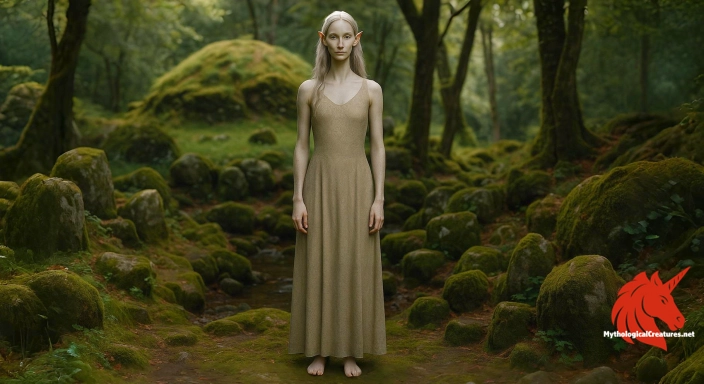
The Mythological Creatures Book Series
Yokai, Greek, Norse, Egyptian & Chinese. Five illustrated field guides to the creatures the old stories either warned or told you about.

Curated by the Mythological Creatures Team
Series editor: Mythological Creatures Directory
Primary desk: Hellenic & Ancient Mediterranean Desk
(rev. November 2025)