
Dryad: Dryads are enchanting oak tree nymphs from Greek mythology.
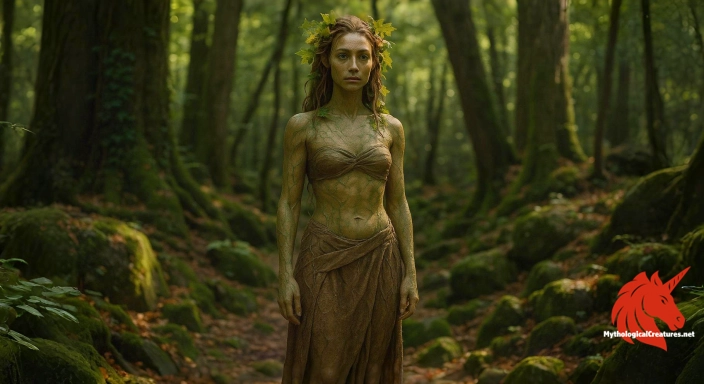
Dryad
Dryad - Dryads symbolize the deep connection between nature and the divine, embodying the life force of trees and the sanctity of the natural world.
the legend in five swipes.
the legend in five swipes.
Where does the Dryad come from?
In the heart of ancient Greek myth, the Dryad emerges as a captivating embodiment of the oak tree’s spirit, a living testament to the reverence for nature that shaped early civilisation. Born from a tradition that interwove human existence with the mysteries of the natural world, these ethereal beings were celebrated as both protectors and personifications of the sacred groves. Their mythic beginnings are closely tied to the ancient oaks, revered symbols of strength, longevity, and divine presence. Ancient poets and storytellers infused these woodland guardians with qualities that transcended the mortal realm, rendering them timeless icons of natural beauty.
Their earliest attestations appear in classical literature that melds the physicality of the forest with spiritual significance. Dryads came to represent more than just the essence of the oak; they symbolised the rhythm of life and the eternal cycle of renewal. Cultural narratives woven through centuries articulate the Dryad as an enduring link between human society and the wild, untamed natural world. Even as myth evolved, the core image of a gentle yet unfathomable protector of the forest remained a constant, echoing the timeless allure of nature itself.
Dryad: Variants Across the Sources
Ancient texts and fragments of lyrical compositions preserve a myriad of references to the Dryad, situating her within the pantheon of nature spirits celebrated by early Greek writers. Early poets such as Hesiod hinted at the presence of these tree nymphs in their verses, subtly integrating them into the tapestry of myth and ritual. Various literary sources, though sometimes fragmentary, consistently portray the Dryad as a divine guardian linked intimately with the venerable oak. These texts often reflect the symbolic importance of the natural world, using the Dryad to express themes of growth, decay, and renewal.
Later accounts and prose narratives expanded upon these early depictions by incorporating regional folklore and oral traditions. Versions of the story emerged that embellished her attributes, sometimes bestowing upon her healing powers or an enigmatic connection to the cycles of nature. In the context of Roman literature, adaptations of the Dryad’s myth broadened her identity to include other tree spirits, allowing for a cross-cultural exchange of ideas. As medieval folklore absorbed these ancient motifs, the narrative of the Dryad transformed further, blending classical ideals with local legends to capture a diverse audience.
Dryad: Powers, Strengths and Vulnerabilities
Dryads are typically envisioned as ethereally beautiful beings whose very appearance mirrors the serene elegance of the oak trees they inhabit. They are often depicted with luminous, soft features and an otherworldly grace that seems to shimmer with the vitality of nature itself. Classical art and sculpture render them with flowing hair that may echo the colour of autumn leaves, while their eyes frequently reflect the deep, enchanting green of timeless groves. Their slender, lithe forms convey both fragility and strength, embodying the delicate balance found within ancient woodlands.
Many depictions merge elements of human beauty with subtle, arboreal motifs, such as skin that hints at the texture of young bark or delicate patterns reminiscent of leaf veins. Some artistic portrayals even suggest that parts of their form are interwoven with natural elements like twigs or moss, blurring the line between mortal and tree. The visual diversity among Dryads is immense, with some appearing almost human and others exuding an unmistakably spectral quality that fuses botanical traits with ethereal charm. This vivid physical hybridity not only reinforces their role as protectors of the forest but also lends them an enigmatic presence that has captivated imaginations for centuries.
Where was the Dryad best known?
Throughout the Mediterranean, Dryads are closely linked with the ancient, majestic oak groves that have long been central to local tradition and identity. In regions of Greece, the Dryad is celebrated as the very soul of a specific tree or grove, with rituals and local legends highlighting her presence in the land. Local adaptations often expand the Dryad concept to encompass a variety of tree species, thereby broadening her influence beyond the oak. In more pastoral settings, tales of these nymphs serve as allegories for seasonal change and the intrinsic connection between humanity and the earth.
As the myth spread across Europe, the Dryad’s story integrated with indigenous folk beliefs, taking on distinct regional characteristics that enriched her mythos. In some parts of the continent, she shares attributes with local nature spirits and fairies, resulting in hybrid legends that meld classical ideals with regional superstitions. The precise nature of her powers and temperament can differ markedly depending on the local environment and cultural context, whether she is a benevolent guardian or a more tempestuous force of nature. This regional variation reflects a universal human tendency to personify the natural world according to local experiences and values.
What makes the Dryad different from similar figures?
The Dryad finds fascinating parallels among a variety of tree and nature spirits in mythologies across the globe. In Celtic traditions, for example, similar figures such as the sidhe echo the Dryad’s embodiment of nature’s mystique and vitality, with both serving as guardians of the forest’s hidden secrets. Japanese folklore introduces the Kodama, spirits believed to inhabit trees and echoing a comparable sense of sanctity and quiet guardianship over nature’s heart. Such cross-cultural comparisons highlight a widespread human tendency to attribute life and spirit to the enduring presence of trees, transcending geographical and cultural boundaries.
In many indigenous cultures, nature spirits assume roles that closely mirror those of the Dryad, often representing the spirit of a particular tree or forested area. These beings, regardless of their cultural labels, are united by the symbolism of renewal, environmental stewardship, and the intermingling of the mortal and divine. While specific details and narratives differ, the underlying archetype of a protective and enigmatic nature spirit is a recurrent theme throughout world mythology. This universality underscores the profound impact of nature in shaping human spirituality, as well as the timeless allure of stories that celebrate the living, breathing world around us.
Why is the Dryad still popular?
The evolution of the Dryad from an ancient forest spirit to a modern cultural icon is a testament to her enduring appeal. Traditionally revered in ancient Greece as a living symbol of nature’s sublime beauty, the Dryad has inspired countless artistic, literary, and religious expressions over the centuries. Over time, her image was reimagined in medieval folklore and Renaissance art, evolving into a figure that not only embodies nature’s bounty but also warns against its neglect. In contemporary interpretations, Dryads appear in fantasy novels, films, and video games, where they are often portrayed as both gentle guardians and complex, multifaceted characters.
Modern narratives have embraced the Dryad as a potent emblem for environmental conservation, linking ancient myth with contemporary ecological concerns. This transformation reflects a growing recognition of the intrinsic value of nature and the need for sustainable interaction with the natural world. The enduring symbolism of the Dryad inspires current generations to view environmental preservation as a sacred duty, much in the same way ancient societies revered the spirit of the forest. Her legacy is a living bridge between our mythic past and a hopeful future, reminding us of the timeless interconnection between humanity and the natural world.
Interesting Fact
An intriguing aspect of Dryads is that while they are often considered immortal, their life is intrinsically linked to the vitality of the oak tree they inhabit, making them both timeless and vulnerable.
Mythological Treasures
Greek Myths: A field guide to the monsters of ancient Greece
Every monster here earned its place in legend, and each gets a full page of artwork and the story behind it.
Chinese Beasts: A field guide to the dragons and demon kings of Chinese myth
From river dragons to demon kings, with the legends that shaped five thousand years of storytelling.
Japanese Yokai: A field guide to the spirits and demons of Japanese folklore
Fifteen spirits, with the signs to watch for and what the old tales say to do if you meet one.
the legend in five swipes.
Partner with Mythological Creatures
Bring your myth-based world into ours
From game settings to narrative worlds, we work with partners who treat myths with care. Share your project for a potential sponsor slot.
Partner with usQuick Creature Info
Origin:
Features:
Associations:
Our Mythic Legendary Rating:

Also Sometimes Known As:
Habitat:
Supernatural Powers:
Physical Attributes:
Abilities:
Behavior:
Weaknesses:
Lore:
Related Creatures, Tales or Lore
- NNereids
- DDryope
- HHamadryads
References
Discover Another Mythical Legend You May Not Have Heard Of?
Uncover the mysteries of ancient folklore and expand your knowledge of legendary beings from cultures around the world.
Dare to Meet the Spearfinger....
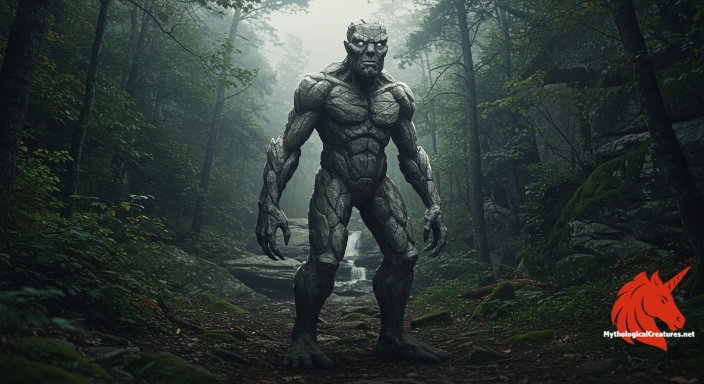
The Mythological Creatures Book Series
Yokai, Greek, Norse, Egyptian & Chinese. Five illustrated field guides to the creatures the old stories either warned or told you about.


Curated by the Mythological Creatures Team
Series editor: Mythological Creatures Directory
Primary desk: Hellenic & Ancient Mediterranean Desk
(rev. November 2025)