
Dzerassae: Dzerassae is a transformative figure from Ossetian mythology, renowned as the daughter of the water deity Donbettyr and a central maternal force in the Nart saga.
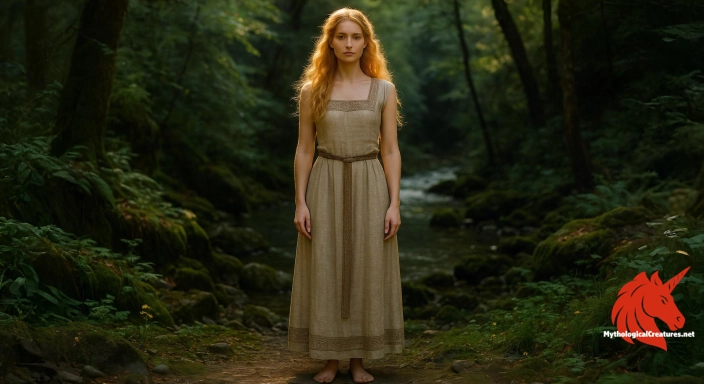
Dzerassae
Dzerassae - Dzerassae's narrative underscores themes of transformation, rebirth, and the interplay between divine and mortal realms, making her a central figure in Ossetian lore.
the legend in five swipes.
the legend in five swipes.
What culture created Dzerassae?
Dzerassae is a captivating emblem of Ossetian mythology, whose multifaceted narrative graces the legendary Nart sagas. Born of divine heritage as the daughter of the revered water deity Donbettyr, her story interlaces the mortal and the celestial. Emerging in early mythological records, she stands as a symbol of both creation and transformation. Her familial ties reverberate throughout the mythic tradition as she marries Akhsartag and nurtures heroes like Uryzmaeg, Haemyts, and eventually, the renowned Nart heroine Satanaya. The dramatic turn of her legend, where she is resurrected by the archangel Uastyrdzhi and enters a forbidden liaison in her own tomb, adds layers of mystery and allure. Her mythic presence encapsulates themes of life, death, and rebirth, resonating with the cyclic patterns of nature. Throughout the ages, her character has been celebrated in oral recitations and cultural rituals, ensuring her legend is passed from generation to generation. The interplay of human passion and divine intervention in her narrative reflects a rich cultural tapestry steeped in ancient tradition. Ultimately, Dzerassae represents the enduring power of myth to capture the complexities of existence and the deep-seated connection between the earthly and the ethereal.
What do the old texts say about Dzerassae?
The legend of Dzerassae is primarily preserved within the venerable Nart sagas, a compilation of heroic narratives that has echoed through Ossetian tradition for centuries. Oral storytelling and later folkloric recordings have cemented her place in the pantheon of mythic figures. Although concrete written texts are limited, various manuscripts and ethnographic accounts provide glimpses into her intricate legacy. Different retellings of her story present her as both a nurturing mother and a powerful figure capable of defying mortal boundaries. The resurrection episode involving Uastyrdzhi is one of the more dramatic variants, highlighting a narrative of rebirth and transcendence. There exist multiple versions in which details of her divine origins and transformative abilities differ subtly, reflecting regional interpretative nuances. Comparative reconstructions of the Nart sagas allow her character to be understood as a fluid entity whose myth adapts over time. The interplay between oral tradition and later literary adaptations has enriched her myth, linking disparate accounts into one cohesive narrative. Each variant, while unique in its emphasis, converges on the theme of a divine figure whose impact resonates beyond the boundaries of normal existence.
How powerful did people believe Dzerassae to be?
Dzerassae is often depicted as possessing an ethereal beauty that is both formidable and graceful. Her most striking feature is her magnificent golden hair, which gleams with a radiant light reminiscent of the sun’s brilliance. Her eyes are said to shimmer with the hues of the natural world, lending an otherworldly depth to her gaze. Traditional portrayals cast her body as lithe yet strong, symbolising her divine origin and transformational prowess. Artists frequently illustrate her with an elegant poise, seamlessly merging human allure with divine elements. In moments of metamorphosis, she embodies the delicate form of a deer, complete with subtle yet evocative antlers that enhance her mystique. Alternatively, her transformation into a fish is depicted with intricate detail, capturing the fluidity and mystery of the aquatic realm. Her dress and adornments are often crafted from elements of nature, echoing the continuity between her existence and the natural world. Through varied depictions, her physical attributes underscore a legacy of beauty intertwined with the power to transcend the ordinary limits of form.
Where in the world is Dzerassae known?
The tale of Dzerassae has been adapted and reshaped to meet the cultural nuances of different communities across the Caucasus. In Ossetian tradition her identity is firmly rooted as a nurturing maternal figure and divine transformer, while neighbouring regions integrate her myth into their local lore. Some traditions emphasise her association with water and fertility, aligning her with the rhythms of nature and seasonal change. In neighbouring accounts, her golden hair and shapeshifting abilities are mirrored in local deities, creating intriguing parallels with figures like the Svan goddess Dali. These regional variants recalibrate aspects of her story to fit distinct cultural mores and artistic interpretations. While some narratives focus on her role as a life-giver in heroic lineages, others highlight her enigmatic power and mystical transformations. Local adaptations sometimes infuse additional symbolism, such as connections to the spirit of the wilderness and elemental forces. This blending of narratives allows her myth to flourish in different cultural contexts, adapting to the values and spiritual practices of each community. The subtle differences in her portrayal reflect the diverse ways in which societies interpret the divine and the natural world. Thus, her legend remains a testament to the fluid nature of myth, easily customised by the cultural tapestry of its audience.
Dzerassae: Counterparts Around the World
Dzerassae’s myth resonates across cultures, with many parallels found within neighbouring mythological traditions. Her golden hair and transformative power invite comparisons with the Svan goddess Dali, who similarly embodies aspects of beauty and metamorphosis. Beyond the Caucasus, her shape-shifting abilities echo those of deities in Celtic and Norse mythologies, where nature and the divine are in perennial dialogue. She occupies a role as both nurturer and catalyst within heroic narratives, a duality that is mirrored in numerous Indo-European legends. Like many resurrection myths, her revival from death by a divine agent underscores universal themes of rebirth and eternal transformation. Her narrative, much like other mythic motifs, serves to bridge the symbolic realms of the spiritual and the corporeal. These thematic similarities reinforce the idea that certain archetypal motifs transcend regional boundaries in myth-making. Her capacity to adopt the form of different creatures aligns with a broader tradition of shape-shifting deities that symbolise nature’s mutable spirit. The overlapping elements in her story and those of other regional deities highlight common cultural values and the shared human fascination with the mysteries of existence. In this way, Dzerassae stands as a focal point of comparative mythology, uniting varied traditions through her timeless appeal and multifaceted symbolism.
Why is Dzerassae still popular?
Through centuries of retelling and reinterpretation, Dzerassae’s myth has experienced a rich evolution that mirrors the changing landscapes of cultural expression. Her journey from ancient oral tradition to a revered figure in modern art and literature reflects the dynamic interplay between myth and history. The resurrection and transformative episodes in her story have become emblematic of themes such as renewal and the transcendence of mortal limitations. Her narrative has been infused with contemporary significance, resonating with modern audiences who see her as a symbol of resilience and eternal rebirth. In modern narratives, her dual role as both nurturer and powerful transcendental figure is celebrated in diverse artistic mediums. The naming of celestial features like Dzerassa Planitia on Venus signifies her inspirational impact beyond the confines of traditional mythology. Contemporary interpretations often highlight her metamorphic abilities, aligning them with current environmental and symbolic discussions. Through literature, visual arts, and academic study, she continues to inspire a reinterpretation of ancient motifs in a modern context. Modern scholars and artists alike explore her story as a metaphor for transformation and the enduring hope embodied in myth. Her legacy is continuously reimagined, offering fresh insights into the universal themes of life, death, and rebirth. Ultimately, Dzerassae serves as a bridge between the ancient and the contemporary, embodying the timeless narrative of human aspiration and divine mystery.
Interesting Fact
The Dzerassa Planitia on Venus is named after her, reflecting her lasting impact from myth to modern astronomical nomenclature.
Mythological Treasures
Egyptian Legends: A field guide to the gods and monsters of ancient Egypt
Guardians of the living and devourers of the dead, with the role each played in judgement.
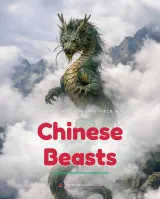
Chinese Beasts: A field guide to the dragons and demon kings of Chinese myth
From river dragons to demon kings, with the legends that shaped five thousand years of storytelling.
Japanese Yokai: A field guide to the spirits and demons of Japanese folklore
Fifteen spirits, with the signs to watch for and what the old tales say to do if you meet one.
the legend in five swipes.
For authors, artists, and makers
Created something from the realm of myth?
If your book, deck, game, or artwork draws from legendary creatures and lore, you can showcase it here in a tasteful, year-round placement.
Share your projectQuick Creature Info
Features:
Associations:
Our Mythic Legendary Rating:

Also Sometimes Known As:
Habitat:
Supernatural Powers:
Physical Attributes:
Abilities:
Behavior:
Lore:
References
Discover Another Mythical Legend You May Not Have Heard Of?
Uncover the mysteries of ancient folklore and expand your knowledge of legendary beings from cultures around the world.
Dare to Meet the Marica....
-75f40016-9eb3-4006-a3c5-f0f557fc89e0_small.webp "Depiction of Marica")
The Mythological Creatures Book Series
Yokai, Greek, Norse, Egyptian & Chinese. Five illustrated field guides to the creatures the old stories either warned or told you about.

Curated by the Mythological Creatures Team
Series editor: Mythological Creatures Directory
Primary desk: Hellenic & Ancient Mediterranean Desk
(rev. November 2025)