
Eopsin: Eopsin is the Korean goddess of storage and wealth, revered as one of the Gasin that protect households.
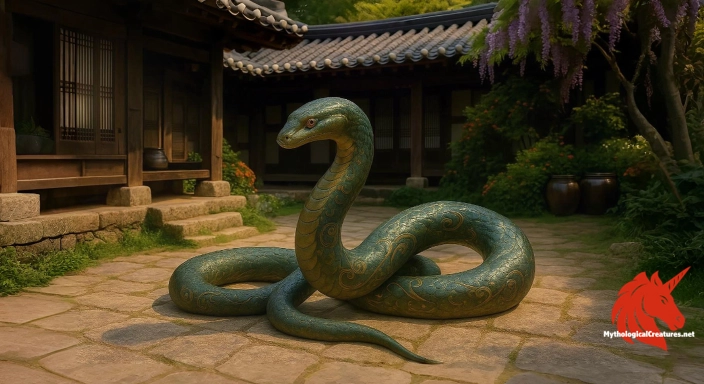
Eopsin
Eopsin - As one of the Gasin, Eopsin is uniquely revered for her animal manifestation, which underscores the sacred status attributed to snakes and weasels in protecting homes and ensuring prosperity.
the legend in five swipes.
the legend in five swipes.
Who first told stories about Eopsin?
Eopsin, the goddess of storage and wealth, occupies a central position in Korean myth and shamanistic practice. She is esteemed as one of the Gasin, the household deities who ensure prosperity and security in daily life. Her origins are intertwined with the practical needs of preserving domestic riches and the spiritual safeguarding of community life. Over time, Eopsin has emerged as a symbol of both material abundance and the intimate bond between humans and the natural world. Oral narratives and ritualistic traditions have long celebrated her presence, conferring upon her a status that transcends mere superstition. Her unique ability to manifest in an animal form distinguishes her from other household deities, highlighting an exceptional reverence for creatures that maintain ecological balance. The integration of animal symbolism with divine attributes reflects a deep cultural understanding of nature’s power and the need for practical protectors. Today, her legacy continues to inspire both devotion and artistic expression, reinforcing her role as an enduring guardian of household wealth.
Where can you read about Eopsin?
Accounts of Eopsin emerge from a rich tapestry of shamanistic recitations, oral traditions, and fragmented ritual texts passed down through generations. Many narratives were preserved through family rites and seasonal ceremonies that celebrated home protection and economic stability. Though formal written records are limited, subtle references in household ritual compendia reveal her essential role in domestic well-being. Multiple versions of her story exist, with some emphasising her role in warding off misfortune while others highlight her beneficence during times of scarcity. Variations of the myth are interwoven with celebrated traditions in local shamanic practices, reinforcing her image as both protector and nurturer. Descriptions of her interventions during crises have lent a dynamic and heroic quality to her character in community lore. Over time, modern storytellers have revived these narratives, blending age-old customs with contemporary insights. The continuous evolution of her myth ensures that Eopsin remains a living and influential presence within Korea’s spiritual heritage.
What powers did Eopsin have?
Visual depictions of Eopsin reveal a fascinating blend of serpentine grace and the nimble characteristics of revered small animals. Her form frequently appears as sleek and sinuous, with subtle curves that capture both the mystery and vitality of nature. In several artistic renditions, delicate scales shimmer along her elongated body, evoking the elegant qualities of the snake. Other portrayals introduce soft, fur-like textures reminiscent of a weasel, hinting at her protective role against household pests. Her eyes are often rendered with an intense, almost otherworldly gleam, suggesting deep wisdom and the enduring spirit of a guardian. Some local traditions accentuate a flowing tail and agile frame, emphasising the symbol of perpetual movement and fortune. This composite appearance encapsulates the duality of the natural world—both wild and tamed—reflecting a harmonious balance of strength and subtlety. Collectively, these visual details contribute to an enigmatic yet familiar image, one that resonates as a tangible symbol of domestic security and prosperity.
Where in the world is Eopsin known?
Local traditions have enriched Eopsin’s myth by adapting her image to suit diverse cultural contexts across Korea. In rural regions, she is often revered as a protector of both stored wealth and agricultural bounty, intertwining domestic and natural prosperity. Variants of her animal form emerge in these communities, with some emphasising a more pronounced serpentine aspect while others lean towards a distinct weasel-like appearance. Such regional adaptations underscore the importance of local fauna in daily life and the symbolic roles they play in protecting homes. Community rituals, often vibrant and seasonally driven, integrate her legend with the specific economic and environmental realities of each area. Rural festivals and household blessings explicitly invoke her power to secure both material and spiritual abundance. These variations not only highlight the geographical diversity within Korea but also enrich the overarching narrative of Eopsin. Consequently, her tale serves as a bridge linking distinct local identities through a shared culturally significant mythology.
What makes Eopsin different from similar figures?
The character of Eopsin resonates with similar protective deities found in numerous cultural traditions beyond Korea. Her dual nature, merging animalistic features with the role of a domestic guardian, finds echoes in Japanese household spirits and Chinese protective deities revered in folk traditions. Comparable figures in European lore, where animal symbolism is intertwined with spiritual protection, illustrate a shared instinct to sanctify the spaces of everyday life. Like many such guardians, her image balances the ferocity of nature with the nurturing care required for household prosperity. This synthesis of natural and divine elements is reminiscent of Celtic and Scandinavian traditions, in which local animal spirits serve as both protectors and symbols of fortune. The intermingling of myth and nature in her narrative highlights the universal appeal of deifying the forces that secure home and hearth. Artistic depictions across cultures similarly celebrate the transformative qualities of animal guardians, reinforcing a global motif of domestic safety. Such cross-cultural comparisons underline the idea that the sanctity and wealth of the home are safeguarded by forces that are as deeply rooted in nature as they are in the human spirit.
Why is Eopsin still popular?
Over the centuries, Eopsin has evolved from a secluded shamanistic spirit to an emblematic figure embraced by modern Korean culture. Her image has transitioned from local ritual symbolism to broader artistic and literary representations that highlight her protective charm. The ancient narratives surrounding her have been reinterpreted to resonate with contemporary issues, reflecting themes of resilience and economic stability. Modern illustrations and media portrayals often blend traditional iconography with abstract symbolism, mirroring Korea’s dynamic evolution. Cultural festivals, art exhibitions, and literary works now frequently spotlight her role as both a guardian and a benefactor, encapsulating the enduring relevance of age-old myth. In a society that navigates the complexities of modern challenges, her legacy serves as a reminder of the timeless values of protection and prosperity. Public discourse continues to explore her multifaceted identity, reinforcing the bond between historical tradition and present-day aspirations. Thus, Eopsin remains a pivotal link between the past and the future, embodying both the spirit of ancient wisdom and the promise of contemporary care.
Interesting Fact
Unlike her Gasin counterparts who manifest as inanimate objects, Eopsin’s animal form uniquely symbolises the sanctity of natural creatures like snakes and weasels in Korean culture.
Mythological Treasures
Greek Myths: A field guide to the monsters of ancient Greece
Every monster here earned its place in legend, and each gets a full page of artwork and the story behind it.
Norse Sagas: A field guide to the beasts of the Viking world
Drawn from the saga accounts themselves, with the powers, weaknesses and doom of each being set out.
Egyptian Legends: A field guide to the gods and monsters of ancient Egypt
Guardians of the living and devourers of the dead, with the role each played in judgement.
the legend in five swipes.
Partner with Mythological Creatures
Bring your myth-based world into ours
From game settings to narrative worlds, we work with partners who treat myths with care. Share your project for a potential sponsor slot.
Partner with usQuick Creature Info
Origin:
Features:
Associations:
Our Mythic Legendary Rating:

Also Sometimes Known As:
Habitat:
Supernatural Powers:
Physical Attributes:
Abilities:
Behavior:
Lore:
Related Creatures, Tales or Lore
- JJowangshin
- HHestia
- ZZao Jun
References
Discover Another Mythical Legend You May Not Have Heard Of?
Uncover the mysteries of ancient folklore and expand your knowledge of legendary beings from cultures around the world.
Dare to Meet the Alvíss....

The Mythological Creatures Book Series
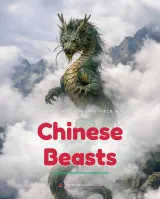
Yokai, Greek, Norse, Egyptian & Chinese. Five illustrated field guides to the creatures the old stories either warned or told you about.

Curated by the Mythological Creatures Team
Series editor: Mythological Creatures Directory
Primary desk: Asian & Pacific Myth Cycles Desk
(rev. November 2025)