
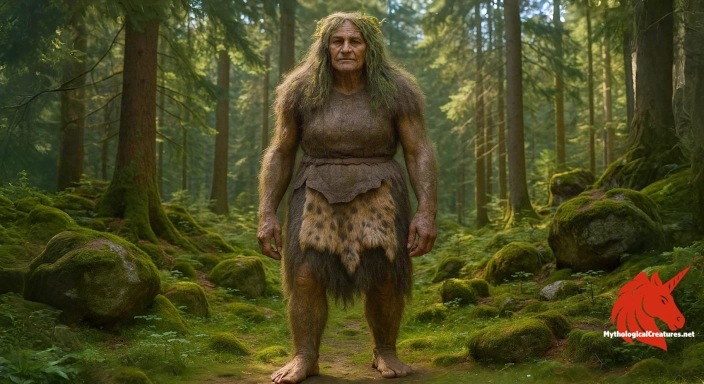
Fänggen: Fänggen are enigmatic female wood sprites from Tyrolean folklore.
Fänggen
Fänggen - They embody the untamed and mystical spirit of the forest, serving as a reminder of nature's unpredictable force.
the legend in five swipes.
the legend in five swipes.
The Beginnings of the Fänggen
The Fänggen are alluring female wood sprites deeply intertwined with the mystique of Tyrolean woodlands. Emerging from the rich traditions of German folklore, these nature spirits have enchanted rural communities for centuries with their blend of grace and wild unpredictability. Their origins, shrouded in the mists of medieval lore, link them indelibly to ancient beliefs about nature’s fertility and its untamable energies. Often portrayed as both guardians and tricksters, the Fänggen serve as a living reminder of the powerful forces that lie hidden within the forest. Their presence was once invoked to explain curious happenings in the deep, uncharted woods, where the interplay of light and shadow nurtured both awe and trepidation. Storytellers would recount their encounters in the quiet mountain passes and secluded valleys, crafting legends that grew richer with each retelling. Over time, these ethereal beings became symbols of the delicate balance between civilisation and the wild forces of nature. The transmission of their tales through oral tradition has cemented their role as emblems of both beauty and mystery. In the echo of ancient song and whispered myth, the Fänggen continue to fascinate, challenging modern perceptions of nature and the feminine divine. Their enduring legacy underscores the timeless human desire to understand and personify the untamed spirit of the forest.
Where can you read about the Fänggen?
The Fänggen appear in a tapestry of oral traditions that have been carefully woven through generations in the Alpine heartlands. Early accounts—though rarely recorded in formal texts—reveal a deep-seated respect and occasional fear of these enigmatic sprites among Tyrolean villagers. Their lore was later captured by folklorists and chroniclers in 19th-century compilations, ensuring that even the subtlest legends would survive the passage of time. Local ballads, ephemeral manuscripts, and travellers’ records intermittently echo the presence of these wild women in the backdrop of the Tyrolean forests. Variants of their story have emerged over time, with some traditions highlighting their benevolence and others warning of their dangerous allure. The multiplicity of names, from Fangga to wilde Weiber, illustrates the rich diversity of regional storytelling. Although systematic documentation is sparse, the recurring motifs and symbolic imagery attest to a vivid and multifaceted mythos. Each narrative subtly shifts the focus—sometimes emphasising their nurturing connection to nature, while at other times hinting at their capricious or even vengeful aspects. As these stories were passed from parent to child, they captured the ever-changing moods of a landscape that itself was in flux. Today, the archived fragments of these accounts continue to intrigue scholars and enthusiasts alike, preserving the spectral charm of the Fänggen.
Fänggen: Powers, Strengths and Vulnerabilities
Artistic depictions of the Fänggen reveal figures of ethereal beauty that seem almost sculpted from the very essence of the forest. Their eyes are often described as luminous, reflecting the verdant glow of the woodland canopy and the soft shimmer of dappled sunlight. Clad in garments fashioned from moss, leaves, and tangled vines, they appear as though nature itself has draped them in its finest raiment. Their hair, flowing and unrestrained, evokes the image of wild grasses or cascading waterfalls of foliage. The delicate interplay of light and shadow on their skin is said to mirror the gentle patterns of sunlight filtering through the trees, lending them both an aura of mystery and fragility. Although they are typically depicted with a human-like form, subtle differences in stature and proportion hint at their supernatural origin, sometimes appearing as diminutive nymphs and at other times as imposing, otherworldly beings. Natural adornments—such as acorns, blossoms, or tiny streams of dew—often accentuate their appearance, reinforcing their connection to seasonal cycles and the natural world. Every aspect of their physical form speaks of an enchanted hybridity that blurs the line between mortal beauty and the unfettered spirit of the forest. The interplay of human allure and wild elements makes each artistic rendition uniquely compelling. In every portrayal, the Fänggen embody the eternal charm of nature, inviting onlookers to see beyond the mundane into the realm of myth and magic.
The Local Faces of the Fänggen
While the lore of the Fänggen is most deeply rooted in Tyrol, local interpretations exhibit a striking range that reflects the cultural nuances of different Alpine communities. In various villages, the sprite is known by several names—Fangga, Fanggin, or Fängge—with each variant underscoring a slightly different aspect of her character. Certain local traditions portray these wood sprites as benevolent guardians, bestowing blessings upon the forests and communities during seasonal festivals, while others depict them as unpredictable forces whose presence must be approached with caution. In some parts of Tyrol, the Fänggen are seen as ephemeral visitors during specific natural cycles, such as the arrival of spring or the onset of autumn, symbolising nature’s continuous renewal. This regional diversity in portrayal illustrates the complex relationship between the inhabitants of the Alps and their surrounding environment. The narrative tone in one valley might celebrate them as playful spirits who liven the deep woods, whereas in another, their mysterious beauty is shadowed by warnings of beguiling danger. The subtle differences in these stories reflect a broader interplay between communal identity and local ecology. In essence, the regional adaptations of the Fänggen myth preserve an authentic glimpse into how diverse communities interact with and venerate the natural world. Such variations, passed down through generations, have enriched the overarching mythology while emphasising the creature’s dynamic character. This multiplicity of regional perspectives underscores the adaptability and timeless appeal of the Fänggen mythos.
The Global Cousins of the Fänggen
The Fänggen share a fascinating common ground with other European nature spirits, bridging regional folklore with broader mythological themes. Their intrinsic bond with the forest resonates with the classical nymphs of Greek myth and the elusive sidhe found in Celtic traditions. Much like the rusalki, who inhabit the watery realms or the huldra of Scandinavian lore, the Fänggen represent a delicate balance of attraction and danger. They evoke compelling images of wild femininity, a motif found in myriad cultural archetypes that celebrate both beauty and the unpredictable essence of nature. Beyond their regional confines, these spirits carry universal motifs of transformation and the eternal cycle of growth and decay. Artists and storytellers across Europe have similarly drawn on such characters to symbolise the inherent mysteries of the natural world. The comparisons extend to their role in folklore as mediators between the human realm and the enchanted forest, a function that resonates in diverse mythic narratives. A juxtaposition of these creatures reveals how cultural perceptions of nature can vary widely, yet converge on the celebration of its ineffable spirit. In many ways, the Fänggen stand alongside their counterparts as emblems of feminine power and the sublime unpredictability of the wilderness. Their myth serves as a bridge, connecting disparate cultural expressions and echoing a shared human awe for the untamed realms of nature.
Why are the Fänggen still popular?
Historical records and oral traditions trace the Fänggen back to medieval times, where they captivated the imaginations of rural Tyroleans with their enigmatic presence. Over the centuries, their portrayal has evolved from ancient superstitions to a celebrated symbol of the untamed natural world. In periods of romantic nationalism and the revival of folklore during the 19th century, artists and writers reimagined these sprites as both mysterious muses and protectors of the wilderness. Their image was enriched by collectors and folklorists who gathered varied regional tales, adding layers of complexity to their character. In modern narratives, the Fänggen have been reinterpreted as environmental guardians, reflecting contemporary concerns about the loss of natural habitats and the need for ecological balance. They have inspired a range of cultural expressions—from literature and visual arts to local festivals that honour the spirit of the forest. Today, they serve as a bridge between past mythic traditions and current artistic sensibilities, symbolising the enduring allure of the wild. This evolution from folkloric superstition to modern emblem has helped maintain their relevance in a rapidly changing world. New generations continue to find in the Fänggen a metaphor for both the beauty and the fragility of nature. Their legacy, steeped in both historical mystique and modern reinterpretation, remains a potent symbol of the eternal dialogue between humanity and the natural realm.
Interesting Fact
An intriguing aspect of Fänggen is their exclusive association with the Tyrolean woodlands, which highlights how localized folklore can preserve the unique character and identity of a region's natural spirit.
Mythological Treasures
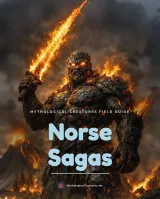
Norse Sagas: A field guide to the beasts of the Viking world
Drawn from the saga accounts themselves, with the powers, weaknesses and doom of each being set out.
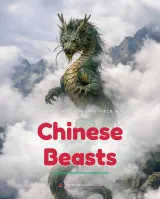
Chinese Beasts: A field guide to the dragons and demon kings of Chinese myth
From river dragons to demon kings, with the legends that shaped five thousand years of storytelling.
Japanese Yokai: A field guide to the spirits and demons of Japanese folklore
Fifteen spirits, with the signs to watch for and what the old tales say to do if you meet one.
the legend in five swipes.
Curated sponsor space
One subtle banner. Thousands of myth lovers.
We offer a small number of curated sponsor spots for relevant books, courses, games, and art. No clutter, just well-matched partners.
Partner with usQuick Creature Info
Origin:
Features:
Associations:
Our Mythic Legendary Rating:

Also Sometimes Known As:
Habitat:
Supernatural Powers:
Physical Attributes:
Abilities:
Behavior:
Lore:
Related Creatures, Tales or Lore
- DDryads
- HHamadryads
- PPixies
References
Discover Another Mythical Legend You May Not Have Heard Of?
Uncover the mysteries of ancient folklore and expand your knowledge of legendary beings from cultures around the world.
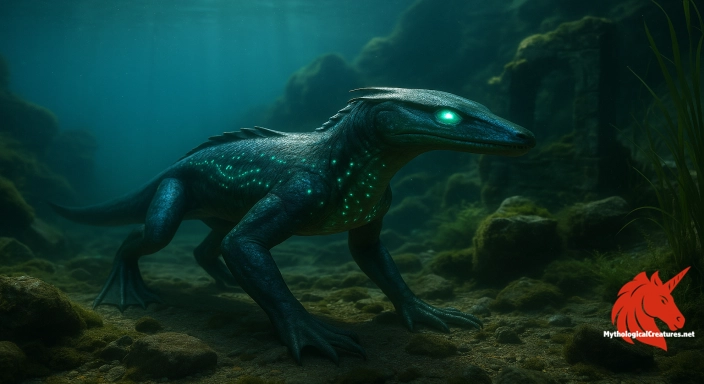
Dare to Meet the Zheuzhyk....
The Mythological Creatures Book Series
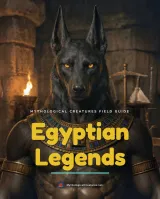
Yokai, Greek, Norse, Egyptian & Chinese. Five illustrated field guides to the creatures the old stories either warned or told you about.
Curated by the Mythological Creatures Team
Series editor: Mythological Creatures Directory
Primary desk: Northern & European Folklore Desk
(rev. November 2025)