
Gargareans: The Gargareans are an all-male mythological tribe from Greek lore, renowned for their unique reproductive alliance with the Amazons.
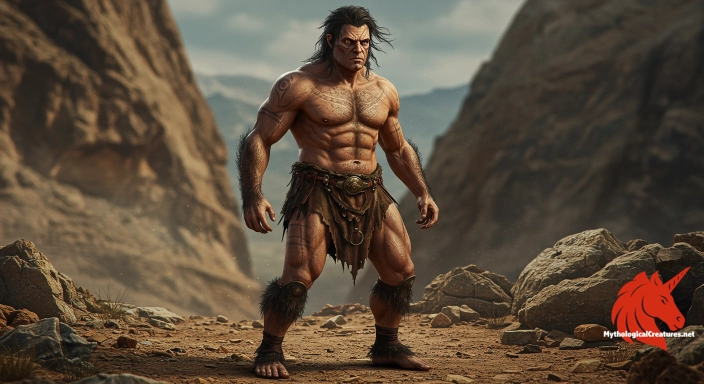
Gargareans
Gargareans - They represent a unique mythological instance of gender-based societal roles in which the male Gargareans and the female Amazons maintained the continuity of their tribes through complementary reproductive functions.
Origins & First Encounters
The Gargareans emerge as one of Greece’s most enigmatic tribes, renowned for their singularly masculine nature and martial vigour. Their myth is firmly rooted in ancient Greek lore, where a unique reproductive pact with the Amazons played a central role in their cultural narrative. The origins of this all‐male tribe blend myth and history, suggesting a purposeful union that bridged the realms of war and fertility. Early attestations in myth and geography cast them as a people whose life was defined by the rigours of frontier existence. Their annual ritual, in which they copulated with the Amazons, not only ensured the propagation of both tribes but also symbolised a mysterious balance between opposing forces. Set against the rugged backdrop of the northern foothills of the Caucasus, their legend conveys an air of both elegance and untamed ferocity. In the tapestry of ancient Greek myth, the Gargareans serve as a striking example of how distant and unusual customs were woven into the cultural imagination. Their narrative continues to invite interest for its evocative portrayal of masculine strength and the interplay of gender dynamics. Over time, this myth has endured as a testament to the fascination with borderland peoples and the complexities of ancient societal constructs.
Source Texts & Tale Variants
The narrative of the Gargareans is preserved through a diverse range of ancient accounts, spanning literary, geographical, and mythological texts. Renowned geographers of antiquity, such as Strabo, provide one of the earliest and most detailed placements of the Gargareans on the northern margins of the Caucasus. In addition to Strabo’s account, classical writers like Gaius Plinius Secundus refer to them, albeit under a variant name such as ‘Gegar’, thus enriching the textual tradition. This multiplicity of names underscores the fluidity of myth as these stories were passed through generations and across cultures. Ancient literature frequently pairs the Gargareans with the legendary Amazons, thereby enhancing both tribes’ roles in myth through their complementary reproductive ritual. Subsequent scholars, citing archaeological and anthropological evidence, have supported the localisation of the Gargareans in regions like Ingushetia, further influencing the interpretation of earlier texts. Variations in the myth reveal subtle differences in emphasis—from geographical detail to the intricacies of their societal roles. These variants not only highlight the role of oral tradition in preserving history, but also invite modern re-evaluation of classical sources. Such a rich tapestry of sources continues to fuel debates and creative imaginations regarding the true nature of this mysterious tribe.
Form & Powers
Although classical texts offer limited direct descriptions of the Gargareans’ appearance, later interpretations have painted them as a physically imposing and robust people. They are often envisioned as possessing broad shoulders and a well-defined musculature, characteristics that mirror a life steeped in the rigours of battle and survival. Artistic depictions, inspired by both ancient narratives and regional lore, suggest they bore a rugged countenance that complemented their reputation as hardy warriors. Their features are frequently imagined to include long, windswept hair and stately beards, conveying both virility and an untamed demeanour. Some traditions indicate that their eyes carried a steely intensity, reflective of the harsh landscapes they inhabited along the Caucasus. The scars and marks of numerous battles, whether literal or metaphorical, are often attributed to their storied past, contributing to an aura of experienced resilience. Variations in portrayals even hint at subtle differences in build or stature, possibly influenced by the diverse environmental conditions of their homeland. Later Byzantine illustrations have reinforced this image, blending idealised strength with a stoic seriousness. Together, these details contribute to a composite image of the Gargareans as embodiments of martial prowess and rugged physical endurance.
Regional Faces
Regional adaptations of the Gargarean myth reveal a fascinating interplay between local folklore and classical mythology. Predominantly placed on the northern slopes of the Caucasus by ancient geographers, their legend has been interwoven with the specific cultural and geographical features of that area. In regions like Ingushetia, the Gargareans have sometimes been identified with local tribes, leading to the employment of names such as Galga and Gegar in various accounts. This locality-based reinterpretation has allowed indigenous communities to blend their own historical memories with the broader myth. Variations in language and tradition have resulted in subtle shifts in their portrayed character and attributes from one culture to another. Local narratives sometimes place greater emphasis on their martial disciplines or the profound connection they held with the natural world around them. Such adaptations highlight how the legend of the Gargareans transformed as it traversed different geographical and cultural landscapes. Dissimilar regional renditions have enriched the myth, providing a spectrum of perspectives on their identity and customs. Overall, these regional variations underscore the dynamic interplay between universal myth and local tradition in shaping historical narratives.
Cultural Parallels
The legend of the Gargareans resonates with themes that are echoed in several other mythological traditions across cultures. Their exclusive status as an all‐male, warrior tribe finds a clear parallel in the narrative of the Amazons, with which they share a singular interdependent relationship. This interconnection emphasises a recurring mythological motif wherein gender and martial prowess are intertwined in a ritualistic tango. Comparisons can also be drawn with other frontier peoples of antiquity, such as certain nomadic steppe tribes, who were similarly revered for their combative skills and enigmatic cultural practices. Like the celebrated figures from Indo-European heroic traditions, the Gargareans embody the concept of a heroic ideal that transcends conventional societal roles. Their myth, with its focus on ritualistic reproduction and gender-specific attributes, offers a unique counterpart to the more commonly recounted myths of mixed-gender tribal systems. The interplay between the Gargareans and the Amazons further enriches cross-cultural dialogues about the roles of masculinity and femininity in ancient narratives. Such parallels not only bridge varying mythologies but also highlight universal themes of survival, fertility, and the reclamation of identity through martial endurance. In this light, the story of the Gargareans contributes to a broader comparative framework that spans continents and centuries.
Legacy & Modern Evolution
Over the centuries, the myth of the Gargareans has undergone significant reinterpretation, evolving from a classical curiosity into a symbol rich with modern cultural resonance. Early accounts by ancient geographers provided a sturdy foundation for their legend, which later artists and writers have reimagined in diverse ways. Contemporary adaptations frequently draw on their image to evoke themes of masculinity, strength, and the mystique of untamed landscapes. The reexamination of archaeological finds in regions like Ingushetia has further spurred discussions regarding the historical kernels underlying their mythical portrayal. Modern literature and fantasy genres often incorporate elements of their narrative, reconfiguring the ancient ritual of intertribal reproduction into metaphors for cultural exchange and resilience. Their evolving portrayal has, at times, served as a counter-narrative to conventional gender roles, thereby influencing current debates about identity and difference. As modern scholars and enthusiasts continue to explore the nuances of ancient myths, the Gargareans remain a compelling case study in the mutable nature of legend. This enduring legacy, replete with both historical fascination and creative reinvention, ensures that the myth of the Gargareans continues to inspire and provoke reflection in a rapidly changing world.
Interesting Fact
An unusual aspect of the Gargareans is their role in a gender-specific reproductive partnership with the Amazons, a system that challenges conventional mythological narratives and offers unique insights into ancient societal constructs.
For serious mythcraft
Your project belongs among the legends
If your work deepens how people understand, play with, or teach mythology, a sponsor placement here keeps it in front of the right readers all year.
Submit a sponsorship enquiryQuick Creature Info
Origin:
Features:
Our Mythic Legendary Rating:

Also Sometimes Known As:
Habitat:
Supernatural Powers:
Physical Attributes:
Abilities:
Behavior:
Weaknesses:
Lore:
Related Creatures, Tales or Lore
- AAmazons
- HHyperboreans
- SScythians
References
Discover Another Mythical Legend You May Not Have Heard Of?
Uncover the mysteries of ancient folklore and expand your knowledge of legendary beings from cultures around the world.
Dare to Meet the Python....
-11ac425e-a0db-4326-b3ed-92a2d9657881_small.webp "Depiction of Python")
Curated by the Mythological Creatures Team
Series editor: Mythological Creatures Directory
Primary desk: Hellenic & Ancient Mediterranean Desk
(rev. November 2025)