
Gargoyle: Gargoyles are intricately carved stone figures found in Gothic architecture, primarily serving as water spouts to divert rainwater away from buildings.
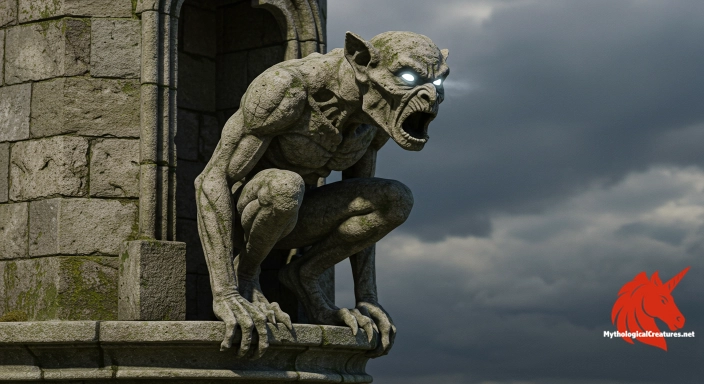
Gargoyle
Gargoyle - They serve both a practical role in building architecture and a symbolic role in deterring evil, reflecting the interplay between functionality and myth in medieval European constructions.
the legend in five swipes.
the legend in five swipes.
Gargoyle: First Encounters and Early Records
The enigmatic presence of gargoyles weaves together technical ingenuity and a rich tapestry of myth, symbolising both practicality and mystery. They emerged during the medieval period when architects and craftsmen began to imbue buildings with elements that were as protective as they were striking. Rooted in Gothic architectural traditions, these stone figures served the dual purpose of diverting rainwater and warding off unseen malevolent forces. Their earliest known incarnations appeared on cathedral roofs and walls, where the blend of function and symbolism resonated with an era steeped in superstition and religious allegory. Over time, the carved visages developed into a lexicon of grotesque forms that spoke to both a sense of humour and deep-seated fear of the unknown. The evolution of gargoyles reflects a keen understanding of how design can transform everyday utilitarian objects into sentinels of hidden lore. As observers walked past these impressive features, they were subtly reminded of the eternal struggle between chaos and divine order. The cultural context of their creation speaks to a period when art, religion, and engineering converged in intricate detail. Their legacy has continued to inspire awe and curiosity in later generations, inviting us to explore the layers of meaning embedded in every chiseled line.
How many versions of the Gargoyle story are there?
The narrative of gargoyles finds its roots in both tangible historical records and an imaginative folklore passed down through centuries. Medieval stoneworkers left behind an archive of visual references that, while primarily utilitarian, have inspired diverse stories and interpretations over time. Many accounts of these creatures emerge indirectly from the detailed records of cathedral construction and the artistic embellishments found in religious texts, even if they never received explicit mythological titles. Oral traditions in various European regions have linked these stone figures to tales of guardian spirits and protectors of sacred spaces. The eclectic mix of anecdotal accounts has, at times, blurred the lines between architectural function and mythic symbolism. Variants of their story have been told in fragmented narratives, each adding layers of meaning and a touch of the uncanny. Over successive generations, gargoyles have acquired a role in local legends, sometimes cast as cursed beings with the power to trap or repel evil. Diverse story variants suggest that while their practical origins were clear, the mystique surrounding their appearance blossomed into complex allegories, enriching the mythos surrounding these stone wardens.
Gargoyle: Physical Form and Supernatural Powers
The physical form of a gargoyle is a study in the dramatic interplay of imagination and architectural necessity. Typically carved from stone, they present a melange of animalistic and human features that combine into a singularly fantastical appearance. Their elongated, often sinuous bodies are designed to efficiently channel water away from the building, with their mouths defied not only as aesthetic focal points but also as pragmatic spouts. The visages of gargoyles can range from fearsome demonic expressions to bizarre, almost whimsical distortions, channeling an energy that is both unsettling and mesmerizing. Many carvings exhibit pronounced textures that mimic scales, fur, or even weathered skin, which speaks to the artisan’s attention to detail. Variations in size and proportion are common, with larger figures set at high points and smaller ones integrated into delicate architectural mouldings. The interplay of light and shadow on their surfaces enhances their dramatic flair, often lending the impression that they are animated by an inner spirit. Even as purely inanimate pieces of stone, their physicality invites viewers to ponder the hidden narratives etched into each chisel stroke.
Gargoyle: The Same Figure in Different Places
Across Europe, the interpretation and design of gargoyles have evolved with local artistic sensibilities and cultural narratives. In regions such as France and England, these stone guardians are depicted with menacing snarls and exaggerated features that mirror the turbulent moods of medieval society. Distinct regional aesthetics have also caused variations in the creature’s form, with some areas favouring more animalistic and ambivalent designs while others incorporated hybrid features that echoed indigenous mythological motifs. In the Germanic regions, for instance, the figures sometimes take on a more bestial and unyielding posture, which reflects local pagan influences and folk beliefs. Similarly, Italian Gothic structures might present gargoyles that appear both playful and sinister, resonating with the region’s own rich tradition of mythic storytelling. In many parts of Europe, these carvings were not merely decorative but served as tangible embodiments of local superstitions regarding malevolent forces. The subtle differences in expression, posture, and ornamentation are testimony to the regional adaptation of a universal idea. Even outside the confines of continental traditions, modern reinterpretations across the globe have adapted these forms to reflect local cultural contexts, further diversifying their legacy.
Gargoyle: Related Figures Across Cultures
Gargoyles do not exist in isolation; they invite comparison with a variety of culturally significant creatures across different mythological traditions. Similar to the stone guardians found in Gothic cathedrals, the Chinese Fu dogs or lion-dogs perform an analogous role in protecting the entrances of temples and palaces. In the ancient world, similar motifs appear in the form of mythic hybrid creatures, where the fusion of human and animal features symbolised a boundary between the natural and the supernatural. The protective aspect of gargoyles finds resonance in creatures from Egyptian and Indian temple art, where fierce expressions serve to ward off evil. In European folklore, the idea that grotesque visages can repel misfortune is mirrored in tales of similarly styled demons and spirits. Comparative analysis reveals that while gargoyles are distinct in their water-diverting functionality, their aesthetic role shares common ground with other protective talismans. This cross-cultural phenomenon highlights how societies have historically used exaggerated and daunting imagery to safeguard important spaces. Ultimately, these comparisons underline a universal human inclination to confront the unknown with bold defiance, whether through stone or myth.
Gargoyle: The Modern Legacy
The evolution of gargoyles demonstrates a fascinating journey from purely functional architectural elements to enduring cultural symbols rich with layered significance. Initially conceived as practical water spouts designed to shield buildings from water damage, they gradually acquired supernatural connotations as medieval communities imbued them with protective qualities. Over the centuries, gargoyles transformed from mere structural features into emblems of mystery and resilience, inspiring poets, artists, and filmmakers alike. The Gothic revival in the nineteenth century reawakened interest in these stone creatures, rekindling their association with both beauty and latent menace. In modern popular culture, gargoyles have been reimagined as characters in fantasy narratives, animated series, and graphic novels, bridging the gap between ancient superstition and contemporary storytelling. Their modern reinterpretations sometimes remove the practical element, focusing purely on their mythic allure, which is often depicted as both a blessing and curse. The symbolic legacy of gargoyles has also led to their adoption in corporate and urban design, where their stoic, enduring presence is meant to evoke a sense of timeless guardianship. As we continue to explore the rich interplay between art, architecture, and myth, gargoyles remain a lasting testament to the power of imaginative symbolism etched in stone.
Interesting Fact
Interestingly, while gargoyles begin as practical water spouts, they have transcended their utilitarian origins to become iconic figures in modern horror and fantasy, often depicted as animate guardians in popular culture.
Mythological Treasures
Norse Sagas: A field guide to the beasts of the Viking world
Drawn from the saga accounts themselves, with the powers, weaknesses and doom of each being set out.
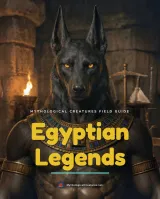
Egyptian Legends: A field guide to the gods and monsters of ancient Egypt
Guardians of the living and devourers of the dead, with the role each played in judgement.
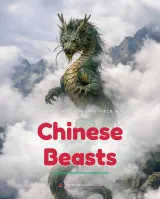
Chinese Beasts: A field guide to the dragons and demon kings of Chinese myth
From river dragons to demon kings, with the legends that shaped five thousand years of storytelling.
the legend in five swipes.
Partner with Mythological Creatures
Bring your myth-based world into ours
From game settings to narrative worlds, we work with partners who treat myths with care. Share your project for a potential sponsor slot.
Partner with usQuick Creature Info
Associations:
Our Mythic Legendary Rating:

Also Sometimes Known As:
Habitat:
Supernatural Powers:
Physical Attributes:
Abilities:
Behavior:
Weaknesses:
Lore:
References
Discover Another Mythical Legend You May Not Have Heard Of?
Uncover the mysteries of ancient folklore and expand your knowledge of legendary beings from cultures around the world.
Dare to Meet the Yee-Na-Pah....

The Mythological Creatures Book Series
Yokai, Greek, Norse, Egyptian & Chinese. Five illustrated field guides to the creatures the old stories either warned or told you about.
Curated by the Mythological Creatures Team
Series editor: Mythological Creatures Directory
Primary desk: Hellenic & Ancient Mediterranean Desk
(rev. November 2025)