
Haakapainiži: Haakapainiži is a malevolent spirit from Kawaiisu folklore known for his shape-shifting abilities and deceptive charm.
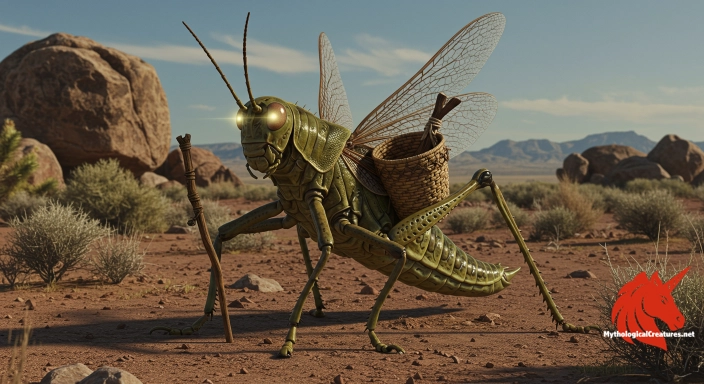
Haakapainiži
Haakapainiži - Serves as a cautionary figure warning against trusting strangers, particularly for children.
Origins & First Encounters
Haakapainiži is a unique and captivating figure woven into the fabric of Kawaiisu cultural tradition. Emerging from the rich oral heritage of indigenous Californian tribes, this spirit or ogre has intrigued both locals and intrigued passing observers for generations. He first appears in traditional narratives as a multifaceted entity capable of shifting between a giant grasshopper, an old man, or even a swarm of grasshoppers, each transformation echoing a different aspect of his nature. His varied forms serve to blur the boundaries between human and animal, symbolising the unpredictable interplay of nature and the supernatural. The figure exudes both menace and mysterious charm, enticing listeners with songs that mask a darker intent. Tales of his interaction with children have long served as cautionary lessons, warning the young about the dangers of misplaced trust. The enduring lore surrounding him reflects a deep interconnection between the natural world and spiritual forces, a theme prevalent in many indigenous mythologies. Over time, Haakapainiži has come to embody not only the perils that lurk in the shadows but also the powerful role of storytelling in preserving cultural identity. His legend remains a vibrant reminder of how myth can simultaneously teach, terrify, and inspire communities.
Source Texts & Tale Variants
The narratives of Haakapainiži have been preserved meticulously through the oral traditions of the Kawaiisu, where elders pass down detailed accounts of his deeds and disguises. Ethnographic records collected during early cultural surveys highlight his enduring presence in the folklore of the region, though these accounts often vary in detail. In Chemehuevi retellings, where he is known as Aatakapitsi, subtle differences emerge that underscore the adaptability of his myth across linguistic and cultural boundaries. Multiple story variants exist, each elaborating on his luring methods and his dual nature as both a gentle bard and a menacing predator. Some accounts underscore his enchanting songs that coax children into a false sense of security, while others emphasise the stark terror of his lair. Diverse records narrate how his appearance morphs unexpectedly, reinforcing the unpredictable quality of his character. Variations in storytelling have allowed his myth to evolve, reflecting the changing values and environmental contexts of the communities that recount his tale. These different strands of narrative highlight a common cultural thread: a warning to remain vigilant against deceits cloaked in kindness. Together, these sources form a rich tapestry that celebrates the complexity and adaptability of indigenous mythmaking.
Form & Powers
Haakapainiži is most strikingly depicted as a giant grasshopper, his form accentuated by a vibrant exoskeleton that mirrors the earthy tones of the surrounding landscape. He is widely illustrated with two slender canes that lend a surprising anthropomorphic quality to his otherwise insectile figure. A distinctive basket is often seen perched on his back, symbolising both his role as a collector and the ominous fate that befalls those who cross his path. His ability to transform into an old man introduces human features such as a face etched by time and eyes that glimmer with a deceptive warmth, adding layers to his ambiguous persona. Alternately, he may appear as a bustling swarm, where individual identities merge into a collective force of nature. The contradictory aspects of his physical form—from delicate insect features to those reminiscent of a venerable elder—highlight a mythic synthesis of beauty and danger. Each element of his appearance carries deep symbolic significance, representing the constant interplay between attraction and peril. His shifting corporeal depictions challenge conventional boundaries, inviting onlookers to question the nature of reality and illusion. Ultimately, Haakapainiži’s striking physicality embodies a complex union of the natural and supernatural worlds.
Regional Faces
Across the sun-baked territories of southern California and neighbouring regions, the myth of Haakapainiži has been adapted to suit local cultural sensibilities. In the Kawaiisu tradition, his tale is interwoven with both the beauty and the harsh realities of the desert landscape, serving as a moral marker for wandering youth. His Chemehuevi incarnation, known as Aatakapitsi, offers a variant that highlights distinctive regional linguistic nuances and environmental influences. Local storytellers adjust details such as the appearance of his basket and the tone of his melodious lure, tailoring each version to the experiences of their audience. In some local narratives, his role leans more towards that of a benign guide whose actions are metaphorical of natural cycles, while in others he is portrayed with overt malevolence. The variations also extend to the descriptions of his lair, where the setting might evoke the arid barrenness of the desert or the mysterious depths of a hidden wilderness. Community-specific symbolism transforms his character into a vessel of local values and cautionary wisdom. This regional diversity enriches the overall myth, ensuring that while the core elements remain recognisable, each telling speaks directly to the lived experiences of its tellers. Such dynamism in his portrayal underscores the adaptive power of oral tradition in a culturally diverse landscape.
Cultural Parallels
When set alongside similar figures from other traditions, Haakapainiži occupies a distinctive niche that blends the uncanny with the familiar. His method of seduction through gentle song and deceptive kindness resonates with the archetypal bogeyman found in many cultural narratives. Like other shape-shifters in global myth, his ability to transition between forms speaks to a universal fascination with beings who defy simple categorisation. Moreover, the merging of insect attributes with a human-like persona finds echoes in indigenous stories worldwide, where nature and humanity are entwined. His narrative shares thematic commonalities with other trickster figures who both entice and endanger, serving as cautionary symbols in rites of passage. Despite these parallels, his specific visual markers—a giant grasshopper with canes and a basket—highlight his unique origin and regional specificity. The comparative analysis reveals that while many cultures utilise tales of supernatural beings to warn the young, each narrative is meticulously tailored to its local environment and collective memory. This cross-cultural dialogue between myths enriches our understanding of how communities perceive and interact with the mysterious forces of life. Ultimately, Haakapainiži stands as a testament to the rich interplay between universal archetypes and locally embedded symbolism.
Legacy & Modern Evolution
Over the decades, the portrayal of Haakapainiži has evolved from an exclusively terrifying predator to a multifaceted symbol that captures the complexities of indigenous spirituality. Early narratives emphasised his role as a sinister figure who lured children away with enchanting melodies, a tale designed to instil caution in the young. In contemporary times, his legend has been reinterpreted in art and literature, often highlighting the duality of danger and allure that defines his character. Modern reinterpretations allow for a nuanced reading that considers his figure as emblematic of nature’s unpredictable caprice and the blurred lines between wisdom and menace. This evolution has seen his myth incorporated into diverse media, from visual arts to performance pieces that explore themes of identity and transformation. The reimagining of his story reflects an ongoing dialogue within native communities about cultural preservation and the reinterpretation of ancestral narratives. As modern reinterpretations bring new perspectives into play, Haakapainiži continues to serve as a potent reminder of the enduring power of myth. His legacy, therefore, is not static but is constantly being reshaped to reflect contemporary concerns and timeless truths. In this way, the spirit of Haakapainiži remains as vibrant and instructive today as it was in the oral histories of yesteryear.
Interesting Fact
A unique aspect of Haakapainiži is his ability to seamlessly shift between vastly different forms, blending human and insect characteristics in a way that underscores the unpredictable nature of the spirit realm.
For authors, artists, and makers
Created something from the realm of myth?
If your book, deck, game, or artwork draws from legendary creatures and lore, you can showcase it here in a tasteful, year-round placement.
Share your projectQuick Creature Info
Origin:
Our Mythic Legendary Rating:

Also Sometimes Known As:
Habitat:
Supernatural Powers:
Physical Attributes:
Abilities:
Behavior:
Lore:
Related Creatures, Tales or Lore
- LLa Cucuy
- WWendigo
- BBoogeyman
References
Discover Another Mythical Legend You May Not Have Heard Of?
Uncover the mysteries of ancient folklore and expand your knowledge of legendary beings from cultures around the world.
Dare to Meet the Nasu....
-c7ef9a0d-bcad-4867-ba8d-2b51ca866bad_small.webp "Depiction of Nasu")
Curated by the Mythological Creatures Team
Series editor: Mythological Creatures Directory
Primary desk: Americas & Indigenous Traditions Desk
(rev. November 2025)