
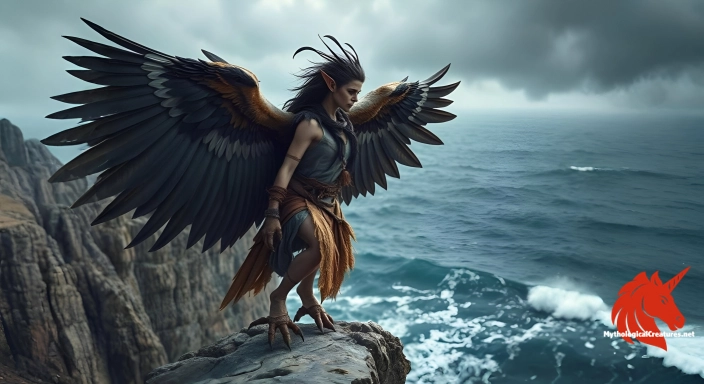
Harpies: Harpies are mythological creatures with the bodies of birds and the heads of maidens, embodying a disturbing blend of beauty and terror.
Harpies
Harpies - Serve as symbols of retribution and the destructive power of nature, often representing the darker side of divine justice.
Origins & First Encounters
Harpies are among the most striking and enigmatic figures in classical mythology, born from an age when the boundaries between beauty and terror were deliberately blurred. Their origins lie in the rich tapestry of Greek myth, where they emerged as agents of retribution and harbingers of chaos. Early narratives cast them as ominous curators of fate, destined to exact divine punishment on mortals who dared to transgress. Over time, their image evolved in tandem with shifting cultural values, allowing them to simultaneously epitomise allure and abhorrence. These multifaceted creatures were incorporated into both literature and art, solidifying their place in the mythic imagination. Roman and Byzantine writers further enhanced their reputation by emphasising aspects of grotesque ugliness alongside hints of seductive grace. Ovid’s compelling portrayals, in particular, have imparted a legacy that captures the duality of their nature as both captivating and repulsive. Artistic representations on pottery and mosaics reveal a delicate balance between the tender visage of maidens and the ruthless, predatory features of birds. The enduring fascination with harpies continues to resonate as they symbolise the precarious interplay between ethereal beauty and unfathomable dread.
Source Texts & Tale Variants
Ancient literary works and visual artefacts serve as the cornerstone for the harpies’ enduring mythos. Ovid’s narratives, with their vivid metaphorical language, depict these beings as human-vultures that embody a blend of elegance and menace. Classical texts from the Greek and Roman traditions offer disparate accounts, ranging from dour admonitions to more fantastical portrayals that integrate elements of both punishment and poetic symbolism. Byzantine sources lend a further layer of depth, often accentuating their deformity and the tragic underpinnings of their nature. Vase paintings and pottery fragments display harpies as enthralling figures, merging the grace of feminine beauty with the starkness of avian ferocity. Several story variants have emerged over time, each adapting the core image to reflect contemporary moral and natural disasters. Medieval retellings, for example, sometimes interwove their myth with allegorical lessons, portraying them as omens of inevitable divine justice. These diversified accounts collectively underscore the manner in which harpies have been re-interpreted by successive generations. Each version enriches the broader narrative, demonstrating the layered complexity and symbolic potency of these fabled creatures.
Form & Powers
The physical form of a harpy is a study in contrasts, melding the delicate features of a maiden with the raw, untamed musculature of a predatory bird. Their torsos, often depicted with graceful lines, seamlessly transition into the robust, feathered bodies of birds of prey. Faces are rendered with an eerie pallor, their expressions marked by a relentless hunger and a haunting melancholy. Long, curved claws replace the human hand, emphasising both their unpredictability and inherent danger. Expansive wings, at times depicted in pristine detail and at other moments as tattered remnants of former splendour, further enhance their formidable appearance. Varying depictions in ancient art sometimes reveal a softness to their human features, providing a striking counterpoint to the brutality of their talons and beaks. Rich textures in feather and flesh have been carefully detailed by artists who wished to capture the very essence of dynamic duality. Every aspect, from the set of their eyes to the curvature of their wings, is intended to invoke a sense of both alluring beauty and visceral horror. These physical traits underscore the harpies’ role as beings suspended between the realms of the divine and the demonic.
Regional Faces
The depiction of harpies varies significantly across different cultures, each imbuing them with local nuances that reflect regional values and beliefs. In ancient Greece, they were chiefly regarded as agents of divine retribution, with their presence signalling the impending punishment for hubris and moral transgression. Roman interpretations, meanwhile, balanced their sinister roles with a more refined aesthetic, often portraying them as elegant yet ominous figures. Byzantine sources introduced additional layers of grotesquery, emphasising their disquieting nature and the sorrow inherent in their very existence. In medieval Europe, harpies were frequently cast in allegorical roles, symbolising the darker aspects of human vices and the caprices of fate. Folk traditions around the Mediterranean further adapted their image, portraying them as both harbingers of destructive storms and metaphors for unquenchable desire. These regional adaptations allowed local artists and writers to weave the harpies into the moral and natural landscape of their own cultural narratives. The interplay between avian ferocity and feminine allure is portrayed with variations that mirror local artistic sensibilities. Such diverse representations highlight how a single mythic motif can undergo profound transformation, reflecting the dynamic interaction between local folklore and the broader classical tradition.
Cultural Parallels
The harpies share remarkable thematic and visual similarities with several other mythological beings that blend beauty with an underlying sense of peril. Creatures like the sirens, for example, also utilise the juxtaposition of alluring forms with dangerous intentions to enthral and ultimately doom those who encounter them. Legends from various cultures often merge the line between the human and the monstrous, a narrative space in which harpies comfortably reside. The stymphalian birds of Greek myth offer another point of comparison, as they similarly combine elements of avian form with a ferocity that belies a deceptive exterior. In medieval bestiaries, hybrid creatures were frequently employed as allegories for the conflict between inner virtue and external corruption, much like the duality inherent in the harpies. Cross-cultural examinations reveal that the motif of the winged predator appears in diverse traditions, reflecting a shared human preoccupation with the unknown and the uncontrollable. The interplay between beauty and horror, evident in the harpies, resonates with themes found in other mythic archetypes across Europe and the Near East. This comparative lens not only deepens the understanding of the harpies themselves but also highlights a universal mythic language that speaks to the fears and fascinations of humanity. Ultimately, these cultural parallels reinforce the enduring appeal of such liminal figures that defy simple categorisation.
Legacy & Modern Evolution
Throughout history, the harpies have experienced a profound transformation in both meaning and representation, mirroring broader shifts in artistic and cultural paradigms. In their earliest incarnations, they were formidable symbols of divine punishment and untamed chaos, woven into the fabric of ancient myth and statecraft. With the advent of the medieval period, their image was frequently employed in allegory, serving as a stark reminder of the moral and existential pitfalls that beset humankind. The Renaissance witnessed a revival of classical motifs, prompting artists to reimagine harpies with a blend of restored classical beauty and a newfound emphasis on their dark aspects. In modern fantasy literature and visual media, they have evolved into multi-dimensional antagonists and anti-heroes simultaneously, reflecting contemporary interests in grey morality and complex characterisation. Today, harpies appear in films, graphic novels, and video games, where their classic duality continues to resonate with audiences across the globe. These modern reinterpretations often explore themes of transformation, highlighting the enduring tension between civilisation and savagery. The historical evolution of the harpies from fearsome tormentors to enigmatic symbols of inner conflicts speaks volumes about the adaptability of myth. As cultural symbols, they continue to inspire creative reinvention, reaffirming their place at the intersection of beauty, dread, and the inexorable forces of change. Their legacy remains a testament to the timeless allure of myth, a reminder that the classics can be continually reborn in the imaginations of successive generations.
Interesting Fact
Modern reinterpretations of harpies often subvert their traditionally malevolent image, portraying them as symbols of female empowerment and ecological rebellion.
Partner with us
Sponsor this space
Reach thousands of mythology enthusiasts with a curated placement on our creature pages.
Learn about sponsorshipQuick Creature Info
Origin:
Features:
Associations:
Our Mythic Legendary Rating:

Also Sometimes Known As:
Habitat:
Supernatural Powers:
Physical Attributes:
Abilities:
Behavior:
Weaknesses:
Lore:
Related Creatures, Tales or Lore
- SSirens (Greek mythology)
- SStymphalian Birds (Greek mythology)
- VVultures (symbolic in various mythologies)
References
Discover Another Mythical Legend You May Not Have Heard Of?
Uncover the mysteries of ancient folklore and expand your knowledge of legendary beings from cultures around the world.
Dare to Meet the Apulu....
Curated by the Mythological Creatures Team
Series editor: Mythological Creatures Directory
Primary desk: Hellenic & Ancient Mediterranean Desk
(rev. November 2025)