
Hippopodes: The Hippopodes are a tribe of allegorical mythological beings from Greek lore, characterized by their unique human-horse hybrid form.

Hippopodes
Hippopodes - Serves as a cautionary tale against the dangers of greed and avarice in myth and moral teaching
the legend in five swipes.
the legend in five swipes.
How old is the legend of the Hippopodes?
The Hippopodes stand out as one of the more intriguing allegorical figures in Greek myth, with their very name evoking the fusion of equine power and human intellect. Their mythic narrative unfolds around a tribe of beings whose lower bodies mirror the strength and grace of horses while their upper halves bear the mark of human thought and emotion. Emerging from the rich tapestry of ancient Greek allegory, they have long symbolised the perils of unbridled greed and the moral decay that follows. These creatures first appear in brief ancient accounts that intertwine myth and moral lesson, serving as poignant examples of how personal foibles can lead to downfall. The intriguing duality of their form invites contemplation on the balance between brute instinct and reason. It is said that their relentless pursuit of wealth, encapsulated in the hoarding of a fabulous treasure, ultimately sealed their fate. Throughout the ages, their story has been recast amid shifting cultural landscapes while retaining its core warning against avarice. Their narrative continues to echo as a timeless reflection on human nature and the costs of unchecked desire. In many ways, the Hippopodes encapsulate the eternal struggle between noble aspiration and baser impulse.
Hippopodes: How the Tale Was Told and Retold
Ancient narratives provide us with glimpses into the lore of the Hippopodes, even if their appearances are fleeting in the grand compendium of myth. Various early texts hint at their existence as symbols woven into tales meant to admonish the excesses of wealth and material greed. Some fragments from the classical era mention this race of beings in discussions focused on moral lessons and allegorical interpretations. Later compilers of myth and legend preserved tales that, while sparse, emphasised the stark consequences of mismanaging treasure and desire. In different story cycles, variations of their myth were recounted with subtle changes that illuminated diverse aspects of human vice. Certain versions paint them as both guardians and victims of their own insatiable longing for riches, adding layers to their portrayal. The richness of these primary sources, though limited, invites curiosity about the broader narrative traditions that spawned them. Even when the details differ between texts, the central theme of greed remains a constant, reinforcing the moral fibre of their myth. The survival of these snippets over time provides valuable insight into ancient attitudes toward wealth and communal responsibility.
Hippopodes: Physical Form and Supernatural Powers
The physical embodiment of the Hippopodes is a study in contrasting forms, melding the robust limbs and graceful structure of a horse with the refined upper body of a human. Their lower halves, with powerful legs and contoured muscles, evoke the image of a swift, untamed stallion capable of great endurance. Conversely, the human component is often rendered with an air of intellectual curiosity and emotional depth, suggesting a dual nature caught between instinct and reasoning. Artists and storytellers have frequently depicted these beings as having an erect posture that blends the best of both animalistic and human traits. Variations in their portrayal reveal a spectrum of appearances, from more bestial designs to refined amalgamations that hint at a once-noble lineage. The detail in their equine features, such as the elegant flaring of a mane or the alertness in their eyes, contrasts with the thoughtful expressions seen in their human parts. Their overall stature has been imagined in differing scales, sometimes small and agile, in other renditions, impressively large and authoritative. The blend of anatomical elements offers a visual metaphor for the struggle between bodily desire and higher consciousness. Each portrayal adds a new dimension to their essence, ensuring that the Hippopodes remain a captivating subject of artistic and mythological exploration.
How does the Hippopodes legend change from place to place?
The narrative of the Hippopodes has travelled across regions, acquiring distinct flavours as it merged with local folklore. In the heartlands of ancient Greece, they predominantly symbolised a caution against the vices of hoarding and selfish ambition. As tales migrated to neighbouring cultures, subtle modifications emerged, with some regions accentuating their role as mystical guardians of hidden treasures. In certain Mediterranean accounts, the Hippopodes were portrayed not just as avaricious creatures but also as tragic figures entrapped by their own insatiable desires. Northern adaptations occasionally cast them in a more heroic or even mournful light, transforming their myth into one of lost honour and inevitable ruin. Local storytellers often reinterpreted their appearance, incorporating indigenous animal motifs to further enrich the allegory. Such regional variations highlight the ease with which a myth can be reshaped to address local concerns about wealth, power, and social responsibility. The interplay of shared and divergent elements across cultures adds layers of complexity to their story. Ultimately, these regional adaptations underscore the timeless and universal nature of the warnings embedded in the Hippopodes legend.
Do other traditions know the Hippopodes by another name?
The allegorical nature of the Hippopodes finds resonances in several other mythological traditions, where hybrid creatures embody the perils of excess and imbalance. Similar to how some Eastern fables feature beings with dual natures that reflect human failings, the Hippopodes serve as a mirror to the dangers inherent in an unchecked appetite for wealth. In parallel, certain depictions of centaurs in Greek mythology also combine human intellect with the physicality of animals, though centaurs are more often linked to wild, untamed passions rather than cumulative greed. Comparisons can be drawn to creatures from Medieval bestiaries, where hybrid forms were used to symbolise moral and spiritual warnings. Across cultures, these mythic hybrids frequently carry the symbolic weight of internal conflicts and the eternal struggle between higher purpose and baser instincts. The narrative of a creature that is both marvelous and monstrous resonates in stories from Asia to the Middle East, where hybrid beings often act as cautionary exemplars. Such cross-cultural parallels deepen our understanding of how societies use myth to articulate universal ethical dilemmas. The enduring fascination with these figures lies in their capacity to represent indomitable forces within the human spirit. This blend of human and animal serves as a versatile metaphor that continues to inspire comparative examinations across diverse folklore traditions.
Why do the Hippopodes still matter?
The legacy of the Hippopodes has evolved substantially as centuries have transformed their original myth into a broader symbol of human shortcomings. Over time, their image has been reimagined in art, literature, and even modern visual media, each reinvention bringing new insights into the human condition. Some Renaissance paintings subtly allude to their form as a reminder of the destructive nature of greed, using allegory to critique the moral failings of their era. In modern reinterpretations, these creatures sometimes appear in fantasy literature and graphic novels, reconfigured to serve as both cautionary figures and enigmatic anti-heroes. Contemporary artists appreciate the paradox inherent in their design, often exploring themes of duality and coexistence between instinct and reason. The Hippopodes have thus transitioned from obscure myth to a versatile emblem that challenges audiences to reflect on the consequences of avarice. Their enduring appeal lies in the flexibility of their allegory, which can speak to societal issues in any age. Modern adaptations frequently juxtapose classical form with innovative narrative techniques, ensuring that the ancient warnings of the Hippopodes remain fresh and relevant. The evolution of their portrayal reflects a broader cultural dialogue about wealth, power, and ethical responsibility across time.
Interesting Fact
An intriguing aspect of the Hippopodes is that, unlike many mythological hybrids celebrated for heroism, they are primarily remembered for their moral failings and as a warning against the destructive force of greed.
Mythological Treasures
Greek Myths: A field guide to the monsters of ancient Greece
Every monster here earned its place in legend, and each gets a full page of artwork and the story behind it.
Egyptian Legends: A field guide to the gods and monsters of ancient Egypt
Guardians of the living and devourers of the dead, with the role each played in judgement.
Chinese Beasts: A field guide to the dragons and demon kings of Chinese myth
From river dragons to demon kings, with the legends that shaped five thousand years of storytelling.
the legend in five swipes.
For serious myth projects
Feature your work alongside the legends
From academic works to story-rich games, we highlight projects that respect world mythologies. Talk to us about a measured, long-term placement.
Start a conversationQuick Creature Info
Origin:
Features:
Associations:
Our Mythic Legendary Rating:

Habitat:
Physical Attributes:
Abilities:
Behavior:
Lore:
Related Creatures, Tales or Lore
- CCentaurs
- SSatyrs
- HHippogriffs
References
Discover Another Mythical Legend You May Not Have Heard Of?
Uncover the mysteries of ancient folklore and expand your knowledge of legendary beings from cultures around the world.
Dare to Meet the Maushop....
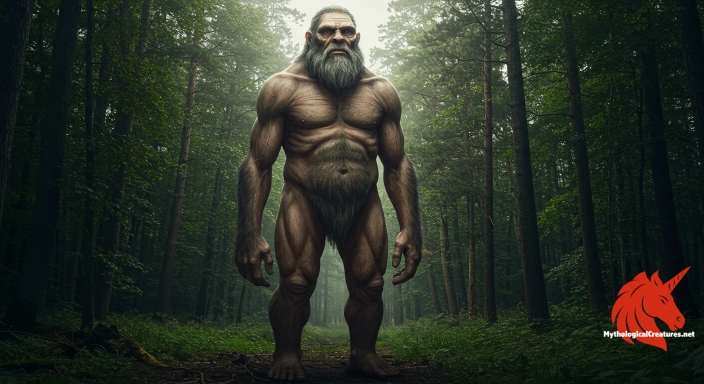
The Mythological Creatures Book Series
Yokai, Greek, Norse, Egyptian & Chinese. Five illustrated field guides to the creatures the old stories either warned or told you about.

Curated by the Mythological Creatures Team
Series editor: Mythological Creatures Directory
Primary desk: Hellenic & Ancient Mediterranean Desk
(rev. November 2025)