
Hundings: The Hundings are a legendary clan from early Germanic sources, known as the 'hound-clan'.
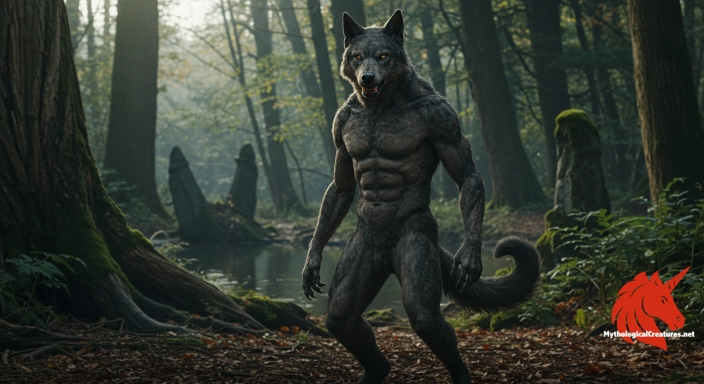
Hundings
Hundings - Their feud with the Wulfings exemplifies the tribal conflicts prevalent in early medieval Germanic literature.
Origins & First Encounters
The Hundings, known as the hound‐clan, emerge from the mists of early Germanic tradition as a symbol of fierce loyalty and martial spirit. Their origins are shrouded in the interplay of myth and historical recollection, reflecting a time when tribal identity was deeply entwined with the qualities of the natural world. Emerging within the cultural milieu of early Anglo-Saxon society, the clan’s very name underscores a totemic relationship with the hound, an animal revered for its vigilance and ferocity. They are first attested in fragmentary texts where their rivalry with the Wulfings—the wolf‐clan—illuminates the contrasting symbols embraced by rival factions. The narrative of the Hundings is closely tied to the ideals of honour, valor, and kinship that characterised the warrior ethos of the era. Their depiction in these early sources resonates with a historical context that esteemed both physical prowess and a deeper spiritual connection to nature. The integration of canine symbolism within their identity also lends an air of mystique and otherworldliness to their lore. Their saga, though only briefly recorded in surviving sources, invites expansive interpretation through its rich blend of fact and legend. The clan embodies not only the ferocious qualities of the hound in battle but also the steadfast loyalty admired in Germanic societies. Their enduring legend continues to captivate both modern scholars and enthusiasts of early myth and legend.
Source Texts & Tale Variants
The primary sources mentioning the Hundings are sparse yet resonant with symbolic significance. Early Germanic texts, many preserved in Old English manuscripts, provide the fragmented evidence of their existence. These sources frequently allude to their role in a broader tapestry of tribal rivalries that defined the epoch. Some accounts highlight the dichotomy between the Hundings and the Wulfings, creating a narrative framework with deep allegorical roots. Oral traditions and later folklore have also contributed to the evolution of their story, enriching the narrative beyond the terse historical citations. The attestations found in these ancient documents underscore the importance of animal symbolism within the clan’s identity. Certain epic verses and poetic fragments have been interpreted as revealing subtle hints about their customs and social hierarchy. Over time, additional layers of meaning were grafted onto the original accounts by successive generations of storytellers. Variants of the story have emerged, each adapting the core motifs to the cultural needs of the delivering community. These diverse textual traditions ensure that the mythos of the Hundings remains a dynamic and contested element within early Germanic heritage.
Form & Powers
Artistic depictions and literary descriptions of the Hundings often evoke the raw image of a warrior clan intertwined with the essence of the hound. They are portrayed as robust figures, their demeanour echoing the wild and uncompromising nature of a steadfast canine. Adornments such as fur pelts and intricately wrought armour are sometimes depicted with motifs reminiscent of the hound’s features, reinforcing their symbolic identity. In certain visual traditions, members of the clan are illustrated with an almost animalistic intensity in their eyes and stance. Some sources suggest that the warriors' attire might have included emblematic accessories—bone or tooth ornaments—that further alluded to their hound ancestry. The fusion of human and animal attributes in these descriptions served to highlight both their physical might and keen instinct in combat. Variations in size and build are noted across different accounts, perhaps reflecting regional artistic liberties and the passage of myth through oral tradition. Their physical portrayal often balances between the natural grace of a hound and the disciplined bearing of a seasoned fighter. This blend of features endowed the Hundings with a timeless aura of both savagery and nobility. Such descriptive detail has allowed later generations to romanticise and reconstruct the visage of the hound‐clan in vivid detail.
Regional Faces
The interpretation of the Hundings varies noticeably across different regions, reflecting the adaptive nature of myth as it traverses cultural boundaries. In Anglo-Saxon tradition, the clan is depicted with a strong emphasis on heroic valor and the honourable intricacies of kinship ties. Northern European adaptations often embellished their narrative with local elements that highlighted the mysticism of natural landscapes. In Scandinavian renditions, the hound symbolism is sometimes intermingled with pagan iconography, lending a more elaborate ritualistic dimension to their persona. Regional folklore has occasionally portrayed the Hundings as originating from remote, rugged territories, reinforcing the image of a hardy and independent people. The environmental backdrop in these versions—from mist-laden moors to dense northern forests—imbues their story with a tangible sense of place. Subtle distinctions in naming and emphasis of traits that align with local animal symbolism further diversify their legend. Such local adaptations contribute to a multifaceted picture of the clan, where core attributes remain while details evolve in dialogue with regional cultural narratives. The divergent variants underscore how communities utilise mythological figures to articulate their unique historical and social experiences. These adaptations offer a rich field for comparative exploration, as the essence of the Hundings is reshaped within each cultural setting.
Cultural Parallels
The thematic core of the Hundings as a hound‐clan invites comparison with other mythic groups that rely on animal symbolism to convey identity and ideological contrast. Their rivalry with the Wulfings, for instance, echoes the widespread motif of dualistic opposition found in many cultural mythologies. Such narratives of animal allegory are not unique to Germanic lore, as similar symbols can be discerned in the legendary traditions of Celtic and even some Eastern European cultures. The hound, as a symbol, is celebrated in various mythologies as embodying loyalty, tenacity, and a sometimes fierce protectiveness in battle. In contrast with historical accounts of wolf‐themed clans, the Hundings exemplify a different set of virtues—those of domestic fidelity and a close bond with nature. Similar groups, like certain warrior bands in medieval literature, have been romanticised for their mysterious origins and close association with animal guides. This interplay of symbolic animals serves as a narrative device to explore themes of nature versus civilisation and instinct versus reason. Comparative analysis reveals that the hound’s imagery often carries connotations of guardianship and alertness, qualities that resonate broadly across Indo-European legends. Moreover, such cross-cultural parallels highlight the significance of animal totems in constructing a shared mythos across disparate societies. The enduring fascination with these archetypal images underscores the universal appeal of using nature’s creatures to reflect human virtues and vices.
Legacy & Modern Evolution
Through the centuries, the legend of the Hundings has undergone significant transformation, evolving from a brief historical reference into a powerful symbol in modern cultural discourse. Their image, once confined to early Germanic annals and oral traditions, now permeates contemporary fantasy literature and visual art. Modern reinterpretations often emphasise the clan’s attributes of loyalty, endurance, and mysticism, casting them as archetypal warriors of an ancient heroic age. The fusion of myth and history in their narrative inspires creative reinterpretations in novels, films, and role-playing games that seek to capture the primal essence of early warrior culture. Scholars and enthusiasts alike continue to debate the historical veracity and symbolic potency of the Hundings, ensuring that their legacy remains vibrant and contested. As academic and popular perceptions intertwine, their mythos is reimagined in ways that reflect modern values and a renewed interest in pre-modern cultural identities. Literary and artistic revivals of the hound‐clan character underscore a broader cultural reawakening concerning ancestral heritage and the revaluation of medieval myth. Even as historical details remain elusive, the emotive power of their symbolism endures, inspiring imaginative exploration of themes such as honour, nature, and the human spirit. The Hundings thus persist as a testament to the lasting impact of early mythological constructs on later cultural and artistic expressions. Their legacy, rich in both mystery and interpretation, bridges the gap between ancient tribal ethos and contemporary myth-making.
Interesting Fact
An intriguing aspect of the Hundings is their use of canine symbolism, which not only defined their identity but also served as a powerful metaphor for their ferocious warrior ethos in early Germanic culture.
Curated sponsor space
One subtle banner. Thousands of myth lovers.
We offer a small number of curated sponsor spots for relevant books, courses, games, and art. No clutter, just well-matched partners.
Partner with usQuick Creature Info
Origin:
Features:
Associations:
Our Mythic Legendary Rating:

Also Sometimes Known As:
Habitat:
Physical Attributes:
Abilities:
Behavior:
Lore:
Related Creatures, Tales or Lore
- WWulfings
- HHeaðobards
- SScyldings
References
Discover Another Mythical Legend You May Not Have Heard Of?
Uncover the mysteries of ancient folklore and expand your knowledge of legendary beings from cultures around the world.
Dare to Meet the Tiangou....
Curated by the Mythological Creatures Team
Series editor: Mythological Creatures Directory
Primary desk: Northern & European Folklore Desk
(rev. November 2025)