
Ichthyocentaur: The Ichthyocentaur is a mythological sea-centaur from Classical Greek art.
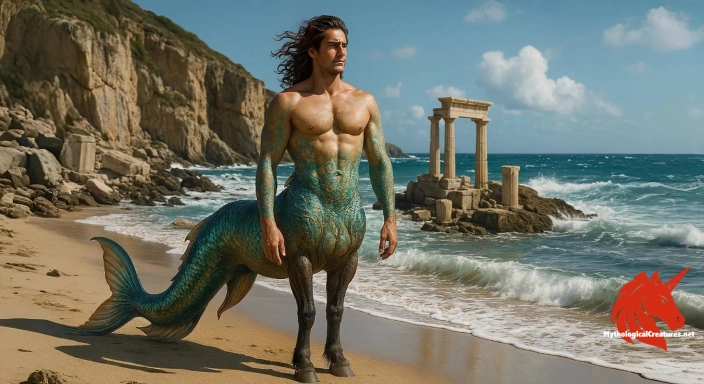
Ichthyocentaur
Ichthyocentaur - Symbolises the fusion of terrestrial and marine elements, highlighting the ancient Greek fascination with hybrid beings.
the legend in five swipes.
the legend in five swipes.
The Beginnings of the Ichthyocentaur
The ichthyocentaur is a striking emblem of mythological innovation, merging elements of the human, equine, and piscine worlds into one intriguing figure. It emerged in the artistic milieu of late Classical Greece, appearing in visual art at a time when culture celebrated both terrestrial and marine mysteries. Its origins can be traced to a period when Greek artists were exploring the liminal spaces between different realms, resulting in a creature that captivates through its composite anatomy. Early depictions, such as those on the Pergamon Altar from the 2nd century BC, demonstrate a clear fascination with the hybrid form. The upper body, drawn with the subtlety of human anatomy, contrasts sharply with the lower half that melds robust horse features and a fluid fish tail. Although not extensively chronicled in traditional mythic narratives, its appearance in art imbues it with rich symbolic meaning. Later, Byzantine scholars like John Tzetzes contributed to its legacy by coining the term “sea-centaur,” thereby framing its myth in a broader cultural dialogue. This synthesis of myth and art underscores a timeless exploration of nature’s dualities and resonates across centuries.
What do the old texts say about the Ichthyocentaur?
The primary sources for the ichthyocentaur are predominantly found in the realm of visual art rather than extensive literary descriptions. Its earliest attestation is through carvings and friezes, most notably those on the Pergamon Altar, which provide a tangible record of its existence. Mosaics and sculptures further embellish the creature’s legacy, often interwoven with representations of maritime deities such as Aphros and Bythos. These artistic portrayals, though fragmentary in narrative details, offer a compelling glimpse into the interpretive world of ancient craft. In many instances, the visual representations serve an allegorical purpose, reflecting the natural and spiritual abundance of the sea. The subsequent adoption of the term “ichthyocentaur” by later Byzantine writers introduces a textual dimension that connects artistic tradition with literary innovation. Variations in style across different artefacts hint at multiple regional interpretations and evolving storylines over time. The interplay between these visual exemplars and later textual allusions has allowed the creature to maintain a presence in mythological discussions even as the original narratives remain sparse.
What powers did the Ichthyocentaur have?
The ichthyocentaur is depicted with a remarkable physical synthesis that draws on three distinct forms: human, equine, and piscine. The upper torso is rendered with the calm dignity of human form, showcasing finely carved musculature that reflects the classical Greek admiration for the human body. From the waist down, the creature retains the sturdy, well-defined forelegs and partial body of a horse, conveying both grace and physical power. This equine element is seamlessly integrated with a long, sinuous fish tail that swirls with the delicate detailing of scales, reminiscent of flowing water. Artistic interpretations often highlight the transition between these forms, emphasising a fluid movement that suggests the melding of two disparate worlds. Variations exist across depictions; some artworks accentuate the aquatic characteristics with shimmering textures, while others focus on the robust, land-based attributes. The sculpture and mosaic renditions typically present a balanced anatomy where each part is given equal visual weight, symbolising harmony between contrasting elements. Overall, this composite creature embodies a dynamic interplay of land and sea, inviting viewers to ponder the nature of transformation.
Which communities kept the Ichthyocentaur tradition alive?
The portrayal of the ichthyocentaur exhibits notable regional variations that speak to the diverse cultural landscapes of the ancient Mediterranean. In the heart of the Hellenistic world, artists embraced the fusion of horse and fish attributes as an emblem of the connection between terrestrial courage and maritime mystery. Eastern Mediterranean interpretations have sometimes placed greater emphasis on the flowing, water-like aspects of the tail, reflecting local maritime traditions and reverence for the sea. In contrast, later Byzantine mosaics often imbued the creature with added allegorical or spiritual layers, transforming it into a symbol of mysticism and dual existence. Regional adaptations can be seen in subtleties such as variations in the detailing of muscles, facial expressions, and ornamental motifs, each echoing the distinct artistic tastes of local communities. Emerging during a time when myth and iconography were fluid, the ichthyocentaur was reinterpreted in different locales to suit their own cultural narratives. During the Renaissance, a renewed interest in classical forms led to imaginative reimaginings in frescoes and sculptures that integrated local symbolism. These regional variations underscore a shared admiration for hybrid mythic figures while also highlighting the flexibility of myth in accommodating diverse cultural identities.
Ichthyocentaur: Echoes in Other Mythologies
The ichthyocentaur engages in a fascinating dialogue with other hybrid beings from across the mythological spectrum. Its composite nature bears a resemblance to the well-known centaur of Greek lore, yet the addition of a fish tail introduces an aquatic complexity that sets it apart. Similar to the hippocampus—a creature that fuses elements of the horse and fish to serve as a mount for sea deities—the ichthyocentaur reveals a universal fascination with liminality. This mirroring of aquatic and terrestrial elements is echoed in other cultural myths, ranging from European merfolk legends to Eastern hybrid deities. Such comparisons serve to highlight the enduring appeal of creatures that dwell at the threshold of two worlds, symbolising transformation and the coexistence of opposing forces. The blending of human rationality, equine strength, and piscine adaptability invites comparisons with modern fantastical creatures encountered in literature and art. This cross-cultural exchange emphasises how cyclical themes of hybridity and metamorphosis recur in myth across different societies. In this light, the ichthyocentaur stands as a compelling bridge between diverse mythological traditions, embodying shared human curiosities about the natural and the supernatural.
How is the Ichthyocentaur remembered today?
The historical evolution of the ichthyocentaur mirrors a broader shift in artistic and cultural perspectives from antiquity to the modern era. Initially immortalised on the friezes of classical monuments such as the Pergamon Altar, the creature was once a modest participant in a vibrant tapestry of mythic imagery. Its subsequent adoption and expansion by Byzantine writers helped to elevate its status, casting it as a potent symbol—a sea-centaur imbued with layers of allegorical meaning. Over the centuries, the ichthyocentaur has been reinterpreted by successive generations, each adding nuances that reflect contemporary preoccupations with identity, transformation, and the unknown. Modern fantasy art and literature have revived this ancient hybrid, often celebrating its enigmatic presence as a metaphor for transcending boundaries. Contemporary depictions tend to blend traditional iconography with innovative visual techniques, adapting the creature to suit modern aesthetic sensibilities. This ongoing reimagining not only preserves its mythological roots but also speaks to a broader cultural dialogue about nature’s diversity and the power of myth. Today, the ichthyocentaur endures as a symbol of creative fusion, bridging classical heritage with modern reinterpretation and inspiring new explorations in art and storytelling.
Interesting Fact
An intriguing aspect of the Ichthyocentaur is that it blends the features of human, horse, and fish, representing a rare convergence of terrestrial and marine motifs in ancient Greek art.
Mythological Treasures
Greek Myths: A field guide to the monsters of ancient Greece
Every monster here earned its place in legend, and each gets a full page of artwork and the story behind it.
Chinese Beasts: A field guide to the dragons and demon kings of Chinese myth
From river dragons to demon kings, with the legends that shaped five thousand years of storytelling.
Japanese Yokai: A field guide to the spirits and demons of Japanese folklore
Fifteen spirits, with the signs to watch for and what the old tales say to do if you meet one.
the legend in five swipes.
For authors, artists, and makers
Created something from the realm of myth?
If your book, deck, game, or artwork draws from legendary creatures and lore, you can showcase it here in a tasteful, year-round placement.
Share your projectQuick Creature Info
Origin:
Features:
Associations:
Our Mythic Legendary Rating:

Also Sometimes Known As:
Habitat:
Supernatural Powers:
Physical Attributes:
Abilities:
Lore:
Related Creatures, Tales or Lore
References
Discover Another Mythical Legend You May Not Have Heard Of?
Uncover the mysteries of ancient folklore and expand your knowledge of legendary beings from cultures around the world.
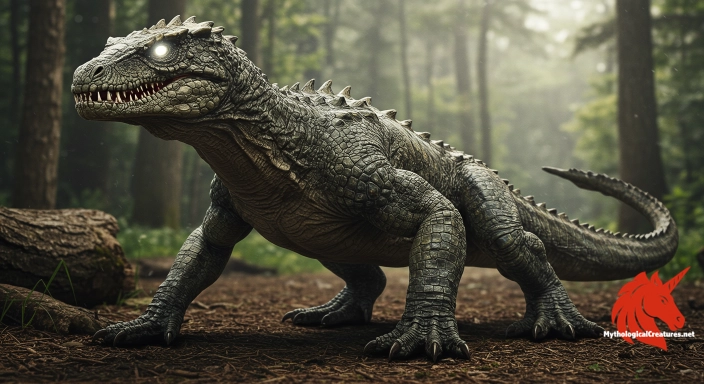
Dare to Meet the Brosno dragon....
The Mythological Creatures Book Series
Yokai, Greek, Norse, Egyptian & Chinese. Five illustrated field guides to the creatures the old stories either warned or told you about.

Curated by the Mythological Creatures Team
Series editor: Mythological Creatures Directory
Primary desk: Hellenic & Ancient Mediterranean Desk
(rev. November 2025)