
Iemisch: The Iemisch is a cryptid monster from Patagonia, combining features of a jaguar and an otter.
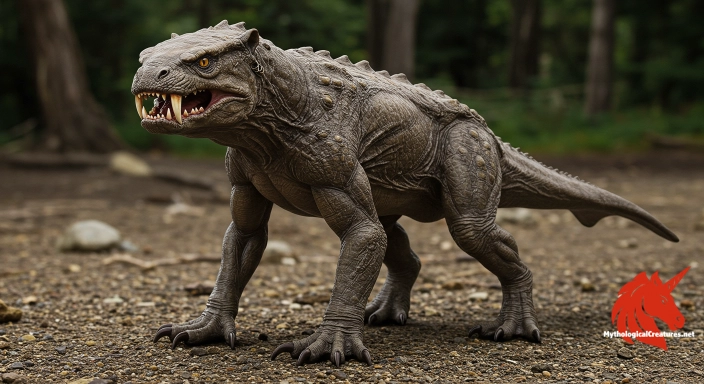
Iemisch
Iemisch - Symbolises the enigmatic and contested nature of cryptids in South American folklore.
the legend in five swipes.
the legend in five swipes.
How did the legend of Iemisch begin?
Iemisch, a creature steeped in the remote mystique of Patagonia, has long captured the imagination of both explorers and local inhabitants. First emerging in the accounts of early naturalists such as Florentino Ameghino in 1897, it quickly established a reputation as a mysterious presence in the rugged mountains near Lake Colhué. The creature’s initial portrayal blended indigenous lore with the keen curiosity of early European observers, setting the stage for a legend that would grow over time. Its early descriptions laid a foundation for later narratives that interwove observed natural phenomena with the fanciful interpretations of local storytellers. Tales of its nocturnal exploits and formidable strength have fostered an enduring image of a beast both feared and revered. Generations of oral tradition have added layers to the myth, portraying Iemisch as a bridge between the tangible wilds and the realm of the supernatural. The creature’s ambiguous origins and elusive nature challenge straightforward categorisation, inviting both wonder and scepticism. Ultimately, Iemisch stands as a testament to the interplay between nature, myth, and the relentless human fascination with the unknown. Its legacy continues to evolve, ensuring that the creature remains a captivating symbol in Patagonian cultural history.
What sources tell us about Iemisch?
The earliest documentation of Iemisch is found in the writings of Florentino Ameghino, dating back to 1897, which provided the first glimpse of this enigmatic creature. A more comprehensive study appeared in the 1955 book On the Track of Unknown Animals, expanding on these initial observations with detailed accounts of its behaviour. Original letters described its nocturnal habits and incredible strength, painting a vivid picture of a beast capable of seizing horses with its formidable claws. Later, Bernard Heuvelmans recorded local traditions that depicted the creature as an uncanny blend of jaguar and otter, each detail adding complexity to its mythos. German anthropologist Robert Lehmann-Nitsche further contributed to the lore by claiming to have received a sample of Iemisch’s skin, noted for its embedded bone plates that suggested natural armour. Collaborative work with Santiago Roth, as documented in The Mysterious Mammal of Patagonia, Grypotherium Domesticum, introduced additional variations that sometimes reduced the creature to an unknown type of otter. Diverse testimonies from local ranchers and inhabitants enriched the narrative, even as some contemporaries expressed scepticism about its existence. The myriad sources—ranging from scientific enquiry to richly coloured local lore—present a tapestry of evidence that blurs the line between observation and myth. In this way, the documented sources and story variants offer a multifaceted view of Iemisch, reflecting the interplay between empirical records and the imaginative power of folklore.
Iemisch: What the Legends Describe
Descriptions of Iemisch consistently highlight a compact yet powerful physique, beginning with a short, robust head adorned with prominent, formidable canine teeth. The creature is noted for its lack of external ears, a feature that contributes to its mysterious and almost otherworldly appearance. Its limbs are described as stout and plantigrade, perfectly adapted for both terrestrial movement and swift aquatic manoeuvres. Notably, the forefeet bear three toes while the hindfeet have four, with some toes joined by a membranous structure that assists in swimming. The claws of Iemisch are depicted as exceptionally formidable, reputedly strong enough to seize horses and drag them into water. Perhaps the most striking feature is a long, flat, prehensile tail that not only aids in manoeuvring but also hints at a surprising degree of dexterity. Some accounts suggest that the creature’s size varies from a compact form to dimensions comparable to an ox, underscoring its enigmatic nature. The skin of Iemisch is said to be embedded with small bony plates, a feature that may have provided natural protection against external threats. Together, these detailed physical attributes create the image of a creature that defies conventional classification, merging characteristics of both terrestrial and aquatic mammals in a strikingly unique manner.
How do regional versions of Iemisch differ?
Across the diverse landscapes of Patagonia, the portrayal of Iemisch exhibits subtle yet significant variations that mirror the unique experiences of local communities. In the regions surrounding Lake Colhué, the creature is often described as a fearsome predator haunting the nocturnal waters and rugged mountain trails. Some local narratives emphasise its swift movements on both land and water, a testament to its adaptability in harsh and varied terrain. The creature’s reputed ability to emit a soul-wrenching scream further deepens its mythic presence in the remote wilderness. While some settlements compare its physicality to that of native big cats like the jaguar, others underscore its otter-like aquatic traits. These regional adaptations often blend observations of local fauna with age-old mythological elements, resulting in a multifaceted character that resonates differently from one locale to another. Linguistic nuances in the creature’s name and descriptive epithets further highlight the influence of regional tradition on its legend. The evolving local accounts serve not only to captivate the imagination but also to underscore how the interpretation of natural mysteries can vary across cultural boundaries. Thus, the regional portrayals of Iemisch enrich the overall myth by adding layers of meaning shaped by local environmental and cultural influences.
How does the Iemisch legend compare worldwide?
The enigmatic character of Iemisch naturally invites comparisons with a variety of mythological beings from diverse cultural traditions. Its unique blend of terrestrial robustness and aquatic agility finds echoes in the Mesoamerican ahuizotl, a creature similarly associated with both water and land. Elements of its description also resemble parts of European folklore where hybrid beasts combine features of wild predators with supernatural traits. In many cultures, the portrayal of creatures that traverse both land and water reflects a universal human fascination with the liminal spaces between different natural realms. The protective bony skin of Iemisch can be compared to the natural armour featured in other legendary creatures, further intensifying its mythic allure. Much like other cryptids whose existence remains shrouded in mystery, Iemisch is subject to a spectrum of accounts that range from empirical descriptions to richly embellished folklore. This cross-cultural analysis reveals that the creature is not an isolated phenomenon but part of a broader tradition where nature’s anomalies are transformed into enduring legends. The parallels drawn between Iemisch and similar entities underscore a common tendency to incorporate the strange and the unknown into local mythologies. In this way, Iemisch stands among a global tapestry of creatures that challenge the boundaries of the natural and the supernatural.
Where do you see Iemisch today?
Over the decades, the myth of Iemisch has evolved from an obscure local cautionary tale into a subject of enduring fascination within the realms of folklore and cryptozoology. Early descriptions rooted in scientific observations have gradually transformed through the lens of repeated storytelling, acquiring an almost hypnotic presence in the popular imagination. The creature’s ambiguous classification—alternately depicted as a monstrous otter or a hybrid predator—reflects the fluid nature of myth and the evolving interplay between fact and fiction. Contemporary interpretations often cast Iemisch as a symbol of the wild, uncharted territories that continue to captivate modern explorers and researchers alike. Its legend has transcended local oral traditions to become a topic of discussion in broader cryptozoological debates and cultural studies. Modern media and artistic representations have further cemented its status as a cultural icon, highlighting the timeless appeal of enigmatic natural phenomena. The historical evolution of its depiction reveals shifts in both scientific thought and narrative style, mirroring wider trends in the way society engages with the unknown. As a result, Iemisch persists as a potent emblem of the tension between empirical inquiry and the seductive allure of myth, ensuring that its story remains alive in both academic and popular discourse. Today, the continuing legacy of Iemisch embodies the enduring human quest to explore and explain the mysteries that lie at the edges of our understanding.
Interesting Fact
It is often compared to the mythical Ahuizotl and dubbed the 'tigre d'acqua' due to its aquatic prowess and fearsome attributes.
Mythological Treasures
Japanese Yokai: A field guide to the spirits and demons of Japanese folklore
Fifteen spirits, with the signs to watch for and what the old tales say to do if you meet one.
Greek Myths: A field guide to the monsters of ancient Greece
Every monster here earned its place in legend, and each gets a full page of artwork and the story behind it.
Norse Sagas: A field guide to the beasts of the Viking world
Drawn from the saga accounts themselves, with the powers, weaknesses and doom of each being set out.
the legend in five swipes.
Partner with us
Sponsor this space
Reach thousands of mythology enthusiasts with a curated placement on our creature pages.
Learn about sponsorshipQuick Creature Info
Origin:
Associations:
Our Mythic Legendary Rating:

Also Sometimes Known As:
Habitat:
Supernatural Powers:
Physical Attributes:
Abilities:
Behavior:
Lore:
References
Discover Another Mythical Legend You May Not Have Heard Of?
Uncover the mysteries of ancient folklore and expand your knowledge of legendary beings from cultures around the world.
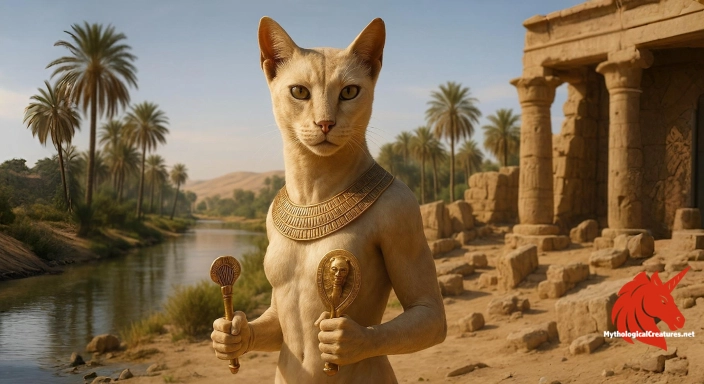
Dare to Meet the Bastet....
The Mythological Creatures Book Series
Yokai, Greek, Norse, Egyptian & Chinese. Five illustrated field guides to the creatures the old stories either warned or told you about.




Curated by the Mythological Creatures Team
Series editor: Mythological Creatures Directory
Primary desk: Americas & Indigenous Traditions Desk
(rev. November 2025)