
Imbunche: The imbunche is a grotesque, deformed legendary monster from Chilote folklore.

Imbunche
Imbunche - Represents the dark, transformative magic in Chilote mythology and serves as a deterrent to intruders at a warlock's cave.
the legend in five swipes.
the legend in five swipes.
The Origin Story of the Imbunche
The imbunche is a striking figure from the indigenous mythology of Chilote, a remote island off southern Chile. It is a creature enveloped in mystery and serves as a tangible reminder of the region’s enchanted past. Traditionally seen as a grotesque guardian, the imbunche is believed to protect the entrance to a warlock’s cave, a role that has fascinated locals for centuries. Legends often hint at its origins as a human child, transformed by dark and enigmatic rituals into a being far removed from its former self. Its myth is interwoven with notions of forbidden magic and the breaking of natural order. Deeply rooted in ancient Mapudungun beliefs, the creature’s name—meaning 'short person'—suggests a deliberate irony in its design. The narrative surrounding the imbunche reflects a timeless cultural concern with the boundaries of humanity and the supernatural. As a symbol, it embodies the transformation of innocence into monstrosity under the influence of evil forces. Over generations, its story has evolved while remaining a poignant emblem of the power and peril inherent in the mysterious realms of magic.
How many versions of the Imbunche story are there?
Early encounters with the legend of the imbunche are recorded in the sporadic ethnographic accounts of travellers and local scribes who sought to capture the enigmatic folklore of Chiloé. Writings from the 19th and 20th centuries include detailed observations from indigenous informants, providing a patchwork of descriptions that capture its eerie essence. Local manuscripts and oral traditions have preserved numerous variants, each illustrating the creature’s role as a dark sentinel at the threshold of a warlock’s domain. Some accounts arise from isolated communities where the myth was recounted as a warning against meddling with forbidden rituals. Other sources expand the narrative, introducing elements of divine retribution and the distortion of natural order. Regional storytellers infused their accounts with imaginative details, often reflecting the local environment and community beliefs. These sources collectively offer a multifaceted portrayal that has been enriched over time through repeated retellings. Though the written record is scattered, its cumulative effect has forged a lasting myth that continues to captivate. The enduring interest in the imbunche is evidenced by the continuous rediscovery and reinterpretation of its story in both academic and popular contexts.
Imbunche: Size, Shape and Strange Features
Descriptions of the imbunche paint a vivid picture of a being whose form is as tragic as it is terrifying. Accounts consistently describe its appearance as a macabre distortion of what was once human, with limbs twisted into unnatural angles that betray a forced transformation. Its body is often portrayed as being contorted and misshapen, reflecting the brutal rituals that brought about its deformed state. The creature’s skin is said to be pallid and marred by scars, giving it an almost spectral glow under dim light. A perpetual grimace seems to be etched on its face, a grim reminder of the agony and corruption that defined its metamorphosis. Some tales even mention a solitary, deep-set eye that glows with an otherworldly light, enhancing its aura of dread. There is a recurring notion that, beneath the monstrous exterior, hints of a lost humanity can still be discerned in its disfigured features. Every element of its anatomy, from its disproportionate limbs to its warped countenance, contributes to the narrative of deliberate mutilation and dark enchantment. These physical aberrations are not just random but serve as a symbolic record of the creature’s cursed origin.
How does the Imbunche legend change from place to place?
Although the imbunche is most famously associated with the folklore of Chiloé Island, its legend has traversed various localities, adapting to the unique cultural and linguistic landscapes of southern Chile. In some neighbouring communities, the creature is known by different names that echo its roots in the indigenous Mapudungun language. While its core function as a guardian of a warlock’s domain remains consistent, local storytellers have imbued their versions with unique attributes such as eerie vocal mimicry or a spectral presence that blends with the natural landscape. Variations in its appearance are also noted, with some accounts favouring a more humanoid aspect and others emphasising grotesque, animalistic features. In certain remote villages, the imbunche is intermingled with other local legends, thereby reinforcing the theme of cursed transformation. Community-specific adaptations often reflect local superstitions and serve as a moral warning against the interference with sacred rituals. The narrative modifications underscore the flexibility of folklore, allowing the myth to remain relevant to each community’s experiences. In essence, the regional variations highlight the dynamic interplay between a shared mythic core and the diverse cultural expressions of fear and fascination with the supernatural.
What figures resemble the Imbunche?
In the broader landscape of mythological beings, the imbunche stands out as a distinctive representation of cursed transformation and enforced monstrosity. It shares thematic parallels with other creatures that emerge from the ruins of a once-human form, such as certain European demons whose stories also warn of the dangers of meddling in dark arts. Similar to the werewolf or other shapeshifters, the imbunche blurs the boundaries between human and beast, reflecting a universal anxiety about the loss of humanity. Comparative analysis reveals that many cultures exhibit a penchant for creating tales of deformed guardians, each mirroring local interpretations of evil and retribution. While the imbunche retains its unique geographical and cultural flavour, its narrative resonates with global folklore that venerates nature’s unpredictability and the consequences of taboo rituals. The motif of transformation into a hideous protector appears in many mythic traditions and serves as a metaphor for the disruption of normalcy. By contrasting the imbunche with similar figures, one can discern common psychological and cultural fears shared across societies. Its story is a vivid example of how myth can encapsulate complex ideas about punishment, exploitation, and the supernatural. Ultimately, the imbunche offers a fascinating window into the human propensity to mythologise the aberrant, forging enduring bonds between disparate cultural narratives.
Imbunche in Modern Culture
Over the centuries, the myth of the imbunche has evolved from a shadowy local secret into a resonant cultural emblem that continues to inspire and provoke. Its early depiction as a guardian born of dark magic has been reinterpreted over time, shifting focus from a simple monstrous protector to a complex figure symbolising the loss of innocence and identity. Modern retellings often present the imbunche as a tragic figure, a victim of cruel arcane rituals whose deformation invites both horror and a degree of sympathy. Contemporary artists and writers have embraced the creature’s ambiguous nature, using its image to explore themes of transformation, repression, and the collision between the natural and the supernatural. Its myth has permeated various art forms, ranging from literature and film to visual arts, where it frequently appears as a metaphor for the scars left by cultural and historical trauma. The imbunche not only serves as a chilling reminder of ancient prohibitions but also invites modern audiences to reflect on the consequences of violating natural order. As academic and popular interest in regional folklore grows, so too does the creature’s status as a subject of cultural critique and creative reinterpretation. Its evolving portrayal stands as a testament to the power of myth to adapt and resonate across generations. Today, the imbunche endures as an enduring symbol of southern Chile’s rich and enigmatic heritage, forever intertwined with the island’s mystical landscape.
Interesting Fact
A notable aspect of the imbunche is how it encapsulates the fusion of indigenous beliefs with dark, transformative magic, offering a stark reflection of the unique character of Chilote folklore.
Mythological Treasures
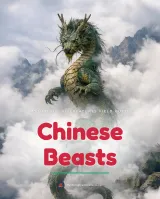
Chinese Beasts: A field guide to the dragons and demon kings of Chinese myth
From river dragons to demon kings, with the legends that shaped five thousand years of storytelling.
Japanese Yokai: A field guide to the spirits and demons of Japanese folklore
Fifteen spirits, with the signs to watch for and what the old tales say to do if you meet one.
Greek Myths: A field guide to the monsters of ancient Greece
Every monster here earned its place in legend, and each gets a full page of artwork and the story behind it.
the legend in five swipes.
Sponsor this space
Tasteful, fixed-fee placements for myth projects
No bidding wars or flashing banners. We offer simple placements for a small set of creators and brands aligned with our readers.
Request further detailsQuick Creature Info
Origin:
Features:
Our Mythic Legendary Rating:

Also Sometimes Known As:
Habitat:
Supernatural Powers:
Physical Attributes:
Abilities:
Behavior:
Weaknesses:
Lore:
References
Discover Another Mythical Legend You May Not Have Heard Of?
Uncover the mysteries of ancient folklore and expand your knowledge of legendary beings from cultures around the world.
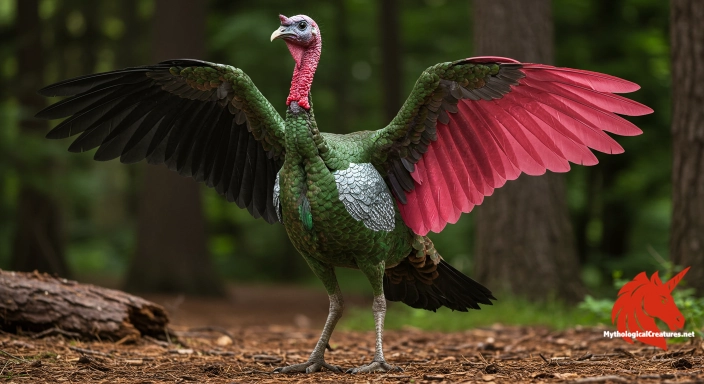
Dare to Meet the Goofus bird....
The Mythological Creatures Book Series
Yokai, Greek, Norse, Egyptian & Chinese. Five illustrated field guides to the creatures the old stories either warned or told you about.

Curated by the Mythological Creatures Team
Series editor: Mythological Creatures Directory
Primary desk: Americas & Indigenous Traditions Desk
(rev. November 2025)