
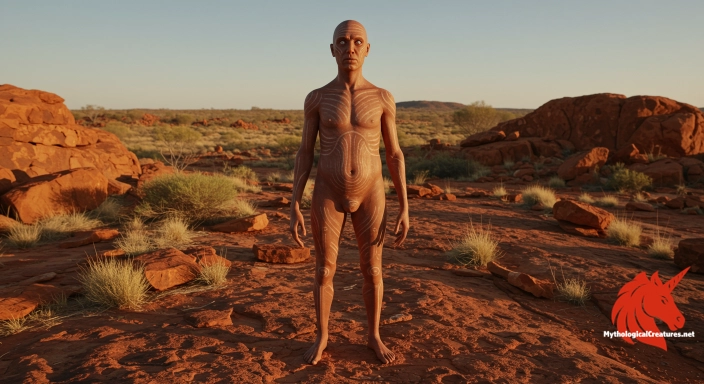
Inapertwa: The Inapertwa are ancestral, primordial beings in Arrernte mythology, serving as the original models from which all earthly life was formed.
Inapertwa
Inapertwa - They are central to the Arrernte creation narrative, and their legacy is reflected in the totems that define cultural identity.
the legend in five swipes.
the legend in five swipes.
Inapertwa: How the Story Began
The Inapertwa occupy a central place in Arrernte mythology as the primordial moulds from which all life emerged. Conceived as the simple yet profound building blocks of existence, they were fashioned by the cosmic figure Numakulla during the earliest moments of the Dreamtime. These ancestral beings are celebrated not only as the originators of flora and fauna but also as the prototypes from which human life eventually took shape. Their narrative is deeply interwoven with the cultural fabric of the Arrernte people, signifying a timeless connection between the land and its inhabitants. As living embodiments of creation, they symbolise the unity and simplicity inherent in nature. The tradition of naming totems after individual Inapertwa underscores how each aspect of life is seen as an extension of these ancient forms. Their legacy is recounted in rich oral traditions and rituals that have sustained the community’s cultural identity for generations. The enduring power of their story continues to inspire both spiritual reverence and artistic expression among the Arrernte. Embedded within the narrative is the idea of transformation, where the boundary between the natural world and humanity blurs. Ultimately, the Inapertwa represent the intimate relationship between creation, the environment, and the human spirit.
The Source Texts Behind the Inapertwa
The primary narrative of the Inapertwa is rooted in the oral traditions of the Arrernte people, where every generation passes on the story through song, dance, and ceremonial storytelling. Early ethnographic studies and anthropological records have captured fragments of this myth, presenting varied depictions that reveal the evolving nature of the legend. Although written records are sparse, the vibrant oral tradition has ensured that the essence of the Inapertwa endures across time and space. Diverse story cycles recount how these primeval beings were instrumental in the creation of every living creature, and some accounts elaborate on their role in shaping sacred totems. The narrative is further enriched by rock art and ceremonial practices that depict symbolic representations of these enigmatic figures. Different storytellers emphasise distinct aspects of the Inapertwa, providing multiple angles on themes of creation and metamorphosis. Some accounts focus on their simple, elemental form while others highlight the transformative process leading to the emergence of complex beings. Recent collaborative projects with indigenous elders have contributed new insights, adding layers of interpretation to the traditional lore. While variations exist, the communal consensus remains clear: the Inapertwa are the ancestral architects of all life, a concept that resonates deeply within Arrernte cosmology.
How did the old accounts describe the Inapertwa?
The Inapertwa are envisioned as beings of elemental simplicity, their forms intentionally unadorned to reflect the purity of creation. They are often depicted with smooth, flowing outlines that suggest a liminal state between formless energy and solid existence. In artistic portrayals, they assume a vaguely humanoid silhouette that blurs into motifs reminiscent of the animals and plants they eventually model. Minimalistic markings and subtle curves are common features, symbolising the essential blueprint of life without the embellishments of later complexity. Their physical presentation is not fixed, as many representations evoke a sense of fluidity, hinting at their capability to transform into diverse forms. Variations in size and detail are common, with some renditions suggesting modest, almost embryonic dimensions, while others appear more grandiose to imply their foundational significance. The simplicity in their design is deliberate, reflecting the idea of an untouched, pristine force of life waiting to be shaped. Often portrayed in traditional art forms such as rock engravings, these beings carry an ethereal quality that underscores their role as the archetypal models of existence. Their understated features invite contemplation, encouraging viewers to perceive the profound beauty in elemental simplicity.
Which regions tell stories of the Inapertwa?
Within the Arrernte heartland, the Inapertwa have a specific cultural resonance that distinguishes them from similar ancestral figures in other Aboriginal traditions. Local adaptations often reflect the intimate relationship between community, landscape, and totemic identity, with each clan imparting unique symbolic traits to these primordial beings. In some regions, the Inapertwa are depicted with attributes that mirror local wildlife and natural phenomena, thereby emphasising the direct connection between the land and its people. Variations in ceremonial narratives reveal that even within the Arrernte tradition, multiple versions of the Inapertwa’s physical and spiritual characteristics exist. In neighbouring cultural groups, echoes of similar creation models surface, though they might be interpreted through different mythological lenses shaped by distinct environmental and social contexts. Seasonal changes and regional ecosystems further influence the portrayal of these beings, with arid lands inspiring depictions that evoke endurance and resilience. Local art and dance also capture these variations, incorporating motifs that are specific to each area’s natural heritage. Community rituals may highlight the changing aspects of the Inapertwa, aligning them with the cycles of nature. Despite these differences, the underlying theme of a primordial origin remains consistent, linking diverse regional perspectives back to a shared ancestral source.
Legends Comparable to That of the Inapertwa
Across the globe, many mythologies recount tales of primordial beings from which all life is derived, allowing for an intriguing comparative perspective with the Inapertwa. Some cultures speak of ancestral figures like the cosmic egg or the primeval waters that give birth to the world, reflecting a universal narrative of creation from a state of simplicity. In ancient traditions such as the Greek or Norse mythologies, early entities similarly embody the potential for life, although their stories often involve cataclysmic transformations and cosmic battles. The Inapertwa, in contrast, are celebrated for their peaceful emergence and their role as gentle templates for subsequent creation. Comparable ideas can be found in indigenous narratives from other parts of the world, where the concept of a model or blueprint for life holds a sacred place. The notion of ancestral prototypes is also present in parts of Native American lore and in Polynesian creation stories, where the initial forms are revered as the source of all cultural identity. What sets the Inapertwa apart is their dual role as both creators and embodiments of cultural totems, highlighting a seamless fusion of nature and identity. These cross-cultural parallels underscore the widespread human fascination with origins, while each tradition offers its own unique interpretation of the mystery of life. Collectively, they illuminate a shared impulse to understand the universe through the simplicity of our beginnings.
What do the Inapertwa mean to people today?
Over time, the depiction of the Inapertwa has evolved from a purely oral tradition to a multifaceted symbol reflected in modern art and cultural resurgence. Early colonial interpretations, once influenced by outsider perspectives, have gradually given way to more authentic indigenous representations that honour the original sacred narratives. Contemporary artists explore the Inapertwa’s themes through paintings, sculptures, and digital media, reimagining these ancestral beings as emblems of creative potential and communal heritage. Modern reinterpretations often highlight their timeless simplicity as a metaphor for the continuous cycle of life and regeneration. The myth has found a place in literature and music as well, serving as an evocative symbol of resilience and identity in an ever-changing world. Community-led cultural festivals and educational programmes now incorporate the story of the Inapertwa, ensuring that the ancient wisdom of the Dreamtime endures within new generations. This modern legacy reinforces the idea that myth is a living tradition, continuously adapting to reflect contemporary values and insights. Scholars and cultural custodians actively work together to preserve the integrity of the narrative while allowing it to inspire creative expression. In essence, the evolving image of the Inapertwa encapsulates a dynamic dialogue between the past and the present, celebrating both ancestral memory and endless creative possibility.
Interesting Fact
A unique aspect of the Inapertwa is their role in the dynamic process of metamorphosis, where ancestral forms evolve into multiple life forms, directly influencing totemic identities in Arrernte culture.
Mythological Treasures
Japanese Yokai: A field guide to the spirits and demons of Japanese folklore
Fifteen spirits, with the signs to watch for and what the old tales say to do if you meet one.
Greek Myths: A field guide to the monsters of ancient Greece
Every monster here earned its place in legend, and each gets a full page of artwork and the story behind it.
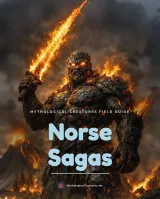
Norse Sagas: A field guide to the beasts of the Viking world
Drawn from the saga accounts themselves, with the powers, weaknesses and doom of each being set out.
the legend in five swipes.
Mythology commerce, done carefully
Align your store with our global myth audience
If you sell myth-inspired jewellery, prints, decks, or collectibles, we can feature your brand without overwhelming the reading experience.
Partner with usQuick Creature Info
Origin:
Features:
Associations:
Our Mythic Legendary Rating:

Habitat:
Supernatural Powers:
Physical Attributes:
Behavior:
Lore:
References
Discover Another Mythical Legend You May Not Have Heard Of?
Uncover the mysteries of ancient folklore and expand your knowledge of legendary beings from cultures around the world.
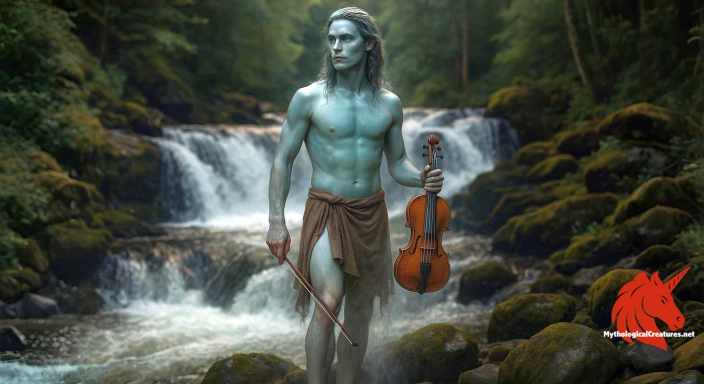
Dare to Meet the Fossegrim....
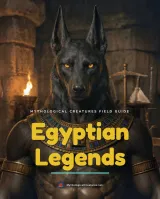
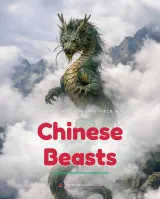
The Mythological Creatures Book Series
Yokai, Greek, Norse, Egyptian & Chinese. Five illustrated field guides to the creatures the old stories either warned or told you about.
Curated by the Mythological Creatures Team
Series editor: Mythological Creatures Directory
Primary desk: Asian & Pacific Myth Cycles Desk
(rev. November 2025)