
Ipotane: The Ipotane is a mythological creature depicted as a hybrid of a human and a horse.
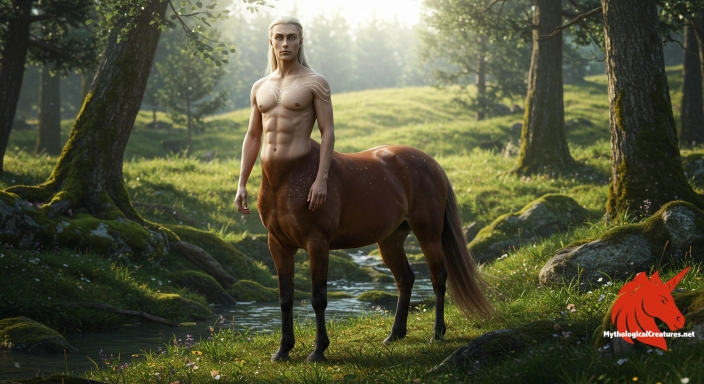
Ipotane
Ipotane - Represents a unique branch of hybrid mythological beings influencing modern fantasy.
the legend in five swipes.
the legend in five swipes.
Ipotane Origins: The Earliest Accounts
Ipotanes, sometimes known as hippotaynes, are enigmatic half-human, half-horse beings that stir the imagination with their uncommon blend of equine grace and human intellect. Their emergence in lore appears to be a product of later medieval literature rather than the oldest myths of antiquity. They made an early literary appearance in John de Mandeville’s fourteenth-century Travels, which helped to cement their place in the realm of fantastical narratives. Unlike the traditional centaur, the Ipotanes are often depicted with an elegance and refinement that sets them apart. They embody an amalgamation of nobility and mystery, inviting speculation about their symbolic roles in a world that straddles reason and myth. Over time, their image has come to represent the melding of animal strength with the subtleties of human emotion and intellect. They resonate with themes of transformation and the blurred boundaries between the human and natural worlds. Their story is both a reflection of medieval curiosity and a precursor to modern interpretations of myth and legend. Many see the Ipotanes as a bridge between the raw natural world and the cultivated realm of human culture. As such, they continue to intrigue scholars, artists, and enthusiasts of myth with their timeless allure.
Ipotane: From Oral Tale to Written Record
The earliest known written mention of the Ipotanes appears in the vivid travel accounts of John de Mandeville, where their mysterious presence is noted alongside other exotic creatures. In these medieval texts, they are presented in a manner that leaves much to the imagination, with brief descriptions that have fueled later speculation. Subsequent retellings in various folklore compilations and fantasy literature have enriched their narrative with additional layers of intrigue. Some manuscripts hint at variations in their story, suggesting that local scribes may have adapted the core myth to fit regional tastes or symbolic needs. Literary variations often explore the potential roles these creatures played in bridging human civilisation and untamed nature. As the myth spread across different cultures and epochs, writers and poets sometimes interwove the Ipotanes with themes of heroic quests and ethereal beauty. Over time, the creature has evolved in the collective imagination, taking on aspects that reflect both the mystery of the ancient world and the creative impulses of later storytellers. This layering of accounts has not only broadened their narrative scope but has also cemented their status as intriguing hybrid beings in legendary literature. Even though the primary source is sparse, later myth-makers have embraced and expanded upon these early allusions. The enduring appeal of the Ipotanes is a testament to how a fleeting mention can spark an ever-evolving mythos.
Ipotane: Powers, Strengths and Vulnerabilities
The Ipotanes are depicted with a striking synthesis of human and equine features that sets them apart from other hybrid creatures. Their upper body, reminiscent of a well-formed human silhouette, is portrayed with refined musculature and delicate facial features that suggest both wisdom and grace. In contrast, the lower portion of their being takes the shape of a powerful horse, complete with sleek, defined limbs and a fluid gait that conveys both speed and strength. This unusual combination results in an appearance that is simultaneously commanding and ethereal. Artists have often chosen to highlight the softness of their human expressions in contrast to the hard-edged dynamism of their equine form, creating a tension between vulnerability and raw power. Variations in depictions reveal subtle differences such as elongated necks or more robust chests, hinting at a diverse tradition of artistic interpretation over time. Some portrayals include luxuriant manes or ornate markings along their flanks, adding an element of regality and mysticism. A sense of balance is inherent in their portrayal, emphasising both the mind and physical prowess. Their eyes are frequently rendered as luminous or introspective, suggesting an inner depth that belies their mythical origin. Each depiction, whether in ancient manuscripts or modern fantasy art, reinforces the enigmatic allure of the Ipotanes as creatures of both beauty and formidable might.
Ipotane: Regional Versions and Local Names
Although the earliest accounts of the Ipotanes are rooted in Western medieval literature, the creature’s image has been adapted and transformed across different regions. In some European traditions, they are celebrated as noble guardians of enchanted forests, embodying a dual connection to both the human world and the wild. Eastern interpretations have occasionally infused them with spiritual significance, transforming the Ipotanes into symbols of balance and harmony between the corporeal and the divine. Variations in depictions are common; some cultures emphasise a more rugged, untamed equine aspect while others prefer a graceful and refined representation of their human traits. Regional storytellers have embraced the creature as a metaphor for the intersection of nature and civilisation, tailoring its image to local mythic structures and artistic sensibilities. In certain adaptations, the Ipotanes are endowed with magical attributes that enable them to mediate between realms or foretell significant transformations. The diversity of these portrayals underlines the flexibility of the original myth, allowing it to be reshaped by varying cultural and environmental contexts. Whether rendered in mural paintings or recounted in village lore, the Ipotanes have become a canvas upon which regional mythmakers project their collective ideals and fears. Local legends sometimes intertwine their narrative with that of other symbolic animals native to specific areas. This regional versatility has ensured the Ipotanes remain a dynamic and evolving part of mythical traditions worldwide.
Ipotane: Echoes in Other Mythologies
The Ipotanes share a common thread with other half-human, half-animal figures, yet their distinguishing features set them apart in the realm of myth. Unlike the widely recognised centaurs, who are often portrayed with a rugged or even barbaric flavour, the Ipotanes exude a certain refinement and subtle sophistication. Their image often evokes that of an elegant noble, capable of bridging the symbolisms of intellect and instinct. In various cultural narratives, they have been compared to hybrids like the Hippogriff, where the blending of different species serves as a metaphor for transcending ordinary limitations. Across mythologies, similar creatures serve to illustrate the duality of man—the struggle to reconcile culture with nature, or the divine with the earthly. The contrasts drawn between the Ipotanes and other hybrids further highlight their unique balance between reason and wildness. Some Eastern and Middle Eastern tales feature comparable figures that symbolise a harmonious integration of contrasting elements. These comparative examinations reveal that, while many cultures embrace the fusion of human and animal forms, the Ipotanes uniquely straddle the line between mythological nobility and natural grandeur. The dialogue between these mythic figures enriches our understanding of how ancient societies grappled with the concept of hybridity. Ultimately, the Ipotanes provide a compelling counterpoint to other legendary beings, inviting us to explore the nuanced interplay of symbolism across different traditions.
Ipotane in Books, Film and Games
Over the centuries, the depiction of the Ipotanes has undergone a significant transformation, evolving from a fleeting medieval mention into a vibrant symbol within modern fantasy art and literature. Their elusive beginnings in John de Mandeville’s travels have paved the way for a dynamic reinterpretation that resonates with contemporary audiences. Modern fantasy genres have embraced the Ipotanes as emblems of an ancient enigma, reimagining them with layers of psychological and symbolic complexity. The modern legacy of these creatures often portrays them as noble warriors, mystical guides, or even tragic figures caught between worlds. Artistic portrayals now richly detail their dual nature, often emphasising both the human wisdom and equine power that define them. As digital art, role-playing games, and graphic novels continue to thrive, the Ipotanes are frequently revisited with innovative visual and narrative twists. Their enduring appeal serves as a metaphor for transformation, reflecting not only the timeless allure of myth but also the ever-changing landscape of modern creativity. Changes in aesthetic sensibilities and cultural values have allowed the Ipotanes to carry forward an adaptable mythos that speaks to new generations. Each reinterpretation adds to the layered historical tapestry surrounding the creature, ensuring its relevance in a diverse cultural milieu. Today, the Ipotanes stand as a testament to the enduring power of myth to evolve and inspire, bridging the ancient world with modern fantasy.
Interesting Fact
Despite its superficial similarities to the well-known centaur, the Ipotane lacks a definitive description, making it a blank canvas for creative interpretations in fantasy literature.
Mythological Treasures
Greek Myths: A field guide to the monsters of ancient Greece
Every monster here earned its place in legend, and each gets a full page of artwork and the story behind it.
Chinese Beasts: A field guide to the dragons and demon kings of Chinese myth
From river dragons to demon kings, with the legends that shaped five thousand years of storytelling.
Japanese Yokai: A field guide to the spirits and demons of Japanese folklore
Fifteen spirits, with the signs to watch for and what the old tales say to do if you meet one.
the legend in five swipes.
For indie creators
Give your myth project a permanent home
Indie authors, artists, small studios, and makers can secure an annual, non-intrusive sponsor slot that meets readers where they explore.
Obtain more informationQuick Creature Info
Origin:
Features:
Our Mythic Legendary Rating:

Also Sometimes Known As:
Physical Attributes:
Lore:
Related Creatures, Tales or Lore
- CCentaur
- HHippocentaur
References
Discover Another Mythical Legend You May Not Have Heard Of?
Uncover the mysteries of ancient folklore and expand your knowledge of legendary beings from cultures around the world.
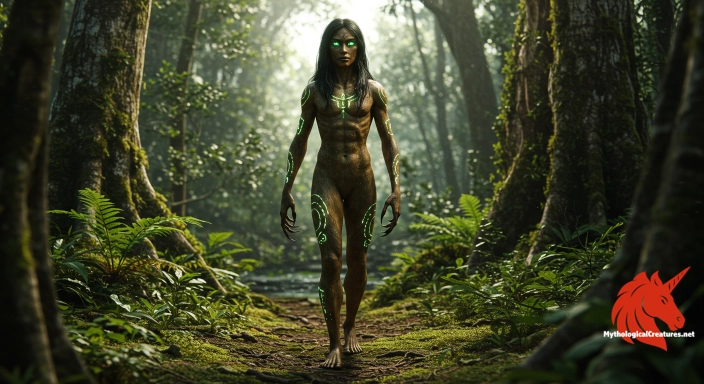
Dare to Meet the Jasy Jatere....
The Mythological Creatures Book Series
Yokai, Greek, Norse, Egyptian & Chinese. Five illustrated field guides to the creatures the old stories either warned or told you about.

Curated by the Mythological Creatures Team
Series editor: Mythological Creatures Directory
Primary desk: Hellenic & Ancient Mediterranean Desk
(rev. November 2025)