
Jaculus: Jaculus is a small mythical serpent or dragon known from classical texts.
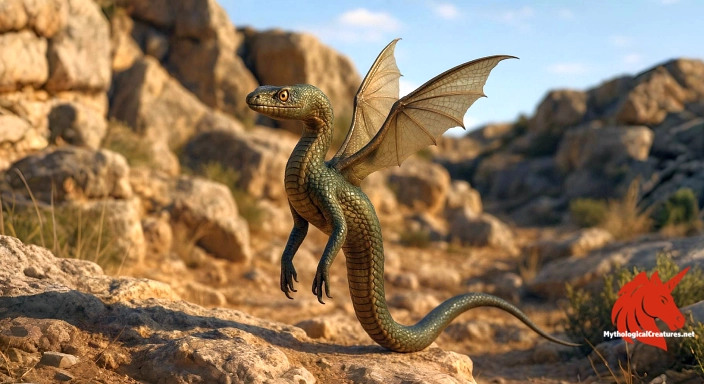
Jaculus
Jaculus - Jaculus represents an intriguing amalgamation of serpent and dragon attributes in mythological bestiaries, embodying agility and a potentially perilous nature.
Origins & First Encounters
The jaculus is a diminutive yet intriguing mythical creature that has captured the imagination across the ages. Its very name, drawn from the Latin word for 'thrown', hints at a swift and precise strike reminiscent of a javelin in flight. Traditionally depicted as a small serpent with occasional draconic attributes, this creature may appear with delicate wings and sometimes even front legs. Early accounts from classical antiquity mention this elusive being in passing, setting the stage for its enduring presence in myth and folklore. Over time, the jaculus has been woven into the cultural narratives of Mediterranean societies, where its sudden appearance and lethal agility symbolise both beauty and peril. It was first attested in fragmented Latin texts that suggested an animal both beguiling and dangerous. Interpretations of its form have varied, reflecting the myriad ways ancient peoples understood the interplay between the natural and the supernatural. The creature’s reputation as a swift and unpredictable force has led it to be imbued with a sense of capricious fate. Its continuing allure lies in the melding of venomous charm and timeless mystery, making it a subject of fascination for generations. The jaculus endures as a symbol of the unpredictable and the ephemeral, straddling the boundary between myth and reality.
Source Texts & Tale Variants
Ancient writings and medieval bestiaries provide the primary sources for our knowledge of the jaculus, though these accounts are often fragmentary and open to interpretation. Latin texts, where the creature is sometimes referenced as the javelin snake, offer only brief descriptions that have inspired later, more elaborate retellings. Early classical sources hinted at a creature endowed with a unique combination of serpentine and draconic features, inviting curiosity about its true nature. Medieval manuscripts expanded on these hints, embellishing its description with imaginative details such as delicate wings and elusive agility. Various bestiaries portray the jaculus as a being of both beauty and danger, amplifying its mysterious allure. The sparse references in ancient texts have led to a diversity of story variants, with some chroniclers depicting it as a harbinger of ill fortune while others celebrate its swift, almost ceremonial strikes. Over the centuries, these fragmented records have provided fertile ground for reinterpretation, allowing the creature to evolve with each telling. This layered textual tradition has cemented the jaculus within the broader framework of mythical zoology, leaving a legacy that is as enigmatic as it is compelling. Each surviving source contributes a small piece to the puzzle, prompting later authors to bridge the gaps with their creative imagination. As a result, the jaculus has traversed a long history of reinterpretation, remaining a focal point in discussions of myth and legend.
Form & Powers
The jaculus is distinguished by a sinuous, reptilian form that seamlessly blends the attributes of both snake and dragon. Its slender body is cloaked in a mosaic of scales that can appear iridescent in certain lights, suggesting a hidden brilliance beneath its modest exterior. In many illustrations, a pair of delicate, membranous wings emerge from its back, implying a capability for swift aerial manoeuvres despite its limited size. Some depictions even grant it short, functional front legs, adding an unexpected, almost endearing, complexity to its anatomy. Its head is finely contoured, with sharp, observant eyes that seem to measure both prey and fortune. A tapering tail winds behind it, contributing to both its balance and its ability to execute a rapid, javelin-like lunge. While some traditions rank it as being no longer than a metre, others suggest a variability in size that enhances its enigmatic status. The creature’s skin often bears subtle, natural patterns that some believe hint at ancient symbols or mystical runes. This fine detailing, paired with the elegant curve of its body, speaks to an inherent design that is both predatory and poetic. Every aspect of its physical form is portrayed in a manner that underlines the jaculus’s dual capacity for stealth and sudden, lethal force.
Regional Faces
Cultural interpretations of the jaculus vary widely across different regions, each imbuing the creature with unique traits that reflect local mythic traditions. In the classical Mediterranean milieu, it is typically portrayed as a compact, agile serpent with the added marvel of wings, symbolising unexpected swiftness. Byzantine and Eastern Roman texts often enrich its portrayal with more extravagant draconic features, lending it an almost otherworldly elegance. In Western medieval manuscripts, the jaculus is sometimes reimagined as a creature that borders on the folkloric, its image softened into a cautionary emblem rather than a fearsome predator. Southern European legends at times depict it as an eerie, nocturnal presence, a spectral being that inhabits misty landscapes and shadowed ruins. North African narratives, influenced by a confluence of cultural exchanges, occasionally render the creature with an even more exotic mien, emphasising its agility and mystique. Some regional variants elevate it to a status of a talismanic guardian, protecting hidden treasures or sacred sites. The diversity in its depiction underscores the human tendency to reshape myth in accordance with local ideals and superstitions. Despite these differences, a common thread of swift, almost darting movement ties these regional versions together. Overall, the varied portrayals across regions testify to the jaculus’s enduring adaptability to different cultural landscapes.
Cultural Parallels
When viewed in the context of global mythological traditions, the jaculus holds several intriguing parallels with other legendary creatures. Its javelin-like movement and diminutive, yet potent, form evoke images similar to the basilisk, a creature that is equally renowned for its lethal precision. In the Americas, the feathered serpent Quetzalcoatl shares a blend of aerial grace and serpentine form, though its cultural narrative diverges greatly from the more ominous jaculus. The small dragon motif, common in European folklore, often mirrors the jaculus’s dual nature of beauty and threat through its portrayal as a swift, elusive predator. Eastern traditions, where dragons can be both benevolent and fearsome, offer another point of comparison, highlighting themes of duality inherent in mythical beasts. In each of these cases, the motif of a slender, agile serpent or dragon reflects a universal appreciation for creatures that blur the lines between natural order and supernatural intervention. The symbolic resonances shared by these beings underscore a collective fascination with mystery and danger. Measures of comparison extend beyond physical form into the realms of allegory and ritual, where swift strikes symbolise the unpredictability of fate. The jaculus, therefore, stands as a distinctive yet interrelated figure within the broader tapestry of myth, linking diverse cultures through common archetypal imagery. Such comparative analysis invites us to appreciate how different societies address the same elemental themes of life, death, and the capricious hand of destiny.
Legacy & Modern Evolution
The legacy of the jaculus has evolved substantially from its early mentions in classical literature to its modern reinterpretations in fantasy and popular culture. Initially depicted as a remote and enigmatic predator, it gradually emerged in medieval lore as a creature woven into the fabric of cautionary tales and moral allegories. The Renaissance period saw a reawakening of interest in myth and natural history, leading to more refined and sometimes even romanticised depictions of the jaculus. In contemporary settings, this creature has been assimilated into the broader mythos of dragons and serpentine beings, appearing in fantasy art, literature, and role-playing games. Modern portrayals often emphasise its swift, almost balletic movements, intertwining traditional imagery with current aesthetic sensibilities. The jaculus is now celebrated as much for its visual allure as for its storied past, making it a favourite subject among artists and writers alike. Its evolution reflects broader cultural trends where ancient terrors are reimagined as metaphors for personal transformation and the unpredictable nature of life. Creative reinterpretations continue to merge historical detail with imaginative modernity, allowing the jaculus to flourish in an era of dynamic fantasy narratives. As both a relic of ancient myth and a modern emblem of mystery, it remains a potent symbol of agile defiance and ephemeral beauty. In every adaptation, the jaculus challenges us to reconcile the beauty of myth with the ever-changing interpretation of human creativity.
Interesting Fact
The creature's name, meaning 'thrown', may allude to a unique mode of attack or movement, distinguishing it from other serpent-like beings.
For serious mythcraft
Your project belongs among the legends
If your work deepens how people understand, play with, or teach mythology, a sponsor placement here keeps it in front of the right readers all year.
Submit a sponsorship enquiryQuick Creature Info
Origin:
Features:
Our Mythic Legendary Rating:

Also Sometimes Known As:
Supernatural Powers:
Physical Attributes:
Abilities:
Behavior:
Lore:
Related Creatures, Tales or Lore
- BBasilisk
- QQuetzalcoatl
- NNaga
References
Discover Another Mythical Legend You May Not Have Heard Of?
Uncover the mysteries of ancient folklore and expand your knowledge of legendary beings from cultures around the world.
Dare to Meet the Goblin....
Curated by the Mythological Creatures Team
Series editor: Mythological Creatures Directory
Primary desk: Hellenic & Ancient Mediterranean Desk
(rev. November 2025)