
Kalku: Kalku is a malevolent sorcerer from Mapuche mythology renowned for wielding black magic and negative energies.

Kalku
Kalku - Represents the dark, malevolent facet of magical practice within Mapuche culture, serving as a counterpoint to the positive forces embodied by the machi shamans.
the legend in five swipes.
the legend in five swipes.
What culture created the Kalku?
The Kalku stands as one of the more enigmatic figures within Mapuche mythology, embodying the shadowy aspects of magic and malevolence. Historically, this sorcerer or witch has been intricately linked to the darker realms of supernatural power, setting them apart from the benevolent machi who serve as healers. Emerging from a rich indigenous heritage, the Kalku is deeply rooted in the traditions of the Mapuche people and has been passed down through generations via oral narratives and ritual practices. The figure often symbolises the troubling dualities present in nature and society, where light and dark continuously interact. Evolving in a milieu where spiritual forces are both revered and feared, the Kalku has played a pivotal role in explaining unaccountable misfortunes. Its origins lie not only in the indigenous lore of the Mapuche but also in the complex interplay with neighbouring cultures and languages. The term itself, borrowed from the Puquina language, hints at ancient interactions with the Central Andean world, adding an extra dimension to its mystique. Over the centuries, the Kalku has come to represent a cautionary tale of power misused, reinforcing the boundaries between accepted wisdom and dangerous transgression. In many respects, this mythological figure encapsulates the tension between community order and the allure of forbidden magic.
Which versions of the Kalku story survive?
The primary sources of Kalku lore are largely embedded in the oral traditions of the Mapuche, where narratives have been shaped by countless storytellers over time. Early chroniclers and colonial records occasionally made note of these dark figures, albeit through the lens of cultural misunderstanding. These recorded accounts, while sparse, hint at a figure endowed with ominous powers and a role that was both feared and respected. Ethnographic studies have later drawn upon these fragments to piece together the multifaceted nature of the Kalku. Various versions of the story exist, each colouring the nature and abilities of the Kalku in subtly different ways. Some accounts emphasise their association with curses and negative fate, while others hint at a more complex relationship with the spiritual world. Over time, folklorists have collected multiple variants that illustrate the Kalku as a master of forbidden arts who walks the threshold between the natural and supernatural realms. The diversity of these sources not only highlights the adaptability of the myth but also underscores the enduring fascination with figures who inhabit the boundaries of accepted morality and mysticism.
The Described Form of the Kalku
Descriptions of the Kalku’s physical form are as varied as the narratives themselves, yet they commonly evoke an otherworldly presence that unsettles the observer. In many depictions, the Kalku is portrayed as a gaunt and spectral figure draped in dark, tattered garments that seem to merge with the surrounding shadows. Its eyes are often described as intensely captivating, shining with a malevolent light that hints at the depth of its dark powers. Some traditions speak of a mane of unkempt hair and a countenance marked by deep-set, penetrating features that evoke both fear and awe. Ritualistic adornments, such as carved amulets or a gnarled staff, frequently accompany the figure, symbolising its command over forbidden forces. The Kalku’s visage might shift subtly under different lights, reinforcing the idea that it exists partly in our world and partly elsewhere. Artists and folk illustrators have captured its form as an ambiguous blend of human traits and supernatural distortions, creating an image that is as haunting as it is memorable. Such physical portrayals serve to enhance the unsettling narrative of the Kalku, making it a lasting symbol of dark mystery and the uncanny. The distinct and fluctuating details of its appearance mirror the elusive nature of the powers it is said to command.
Which communities kept the Kalku tradition alive?
Across the regions inhabited by the Mapuche, the character of the Kalku exhibits variations that reflect local traditions and environmental influences. In some communities, this dark sorcerer is depicted as a solitary figure operating on the fringes of society, while in others, hints of a clandestine network of practitioners emerge in folklore. The nuances in portrayal often derive from local interpretations of supernatural balance, with each area imbuing the Kalku with characteristics that resonate with regional beliefs. In areas where Central Andean influences mingle with Mapuche traditions, the Kalku may incorporate aspects reminiscent of Incan shamanistic practices. The integration of local landscapes into the myth – whether the rugged Andes or the dense woodlands – further colours the character’s portrayal and perceived power. Elders in different locales sometimes recount unique rituals and physical tokens associated with the Kalku, adding layers to its identity. Despite these regional differences, the central theme of dark magic and its disruptive potential remains a constant. Such localised adaptations not only showcase the diversity within Mapuche cultural expressions but also highlight the long-standing dialogue between neighbouring mythologies. Overall, the regional variations of the Kalku enrich its legacy by fusing local colour with the overarching narrative of malevolent sorcery.
Which figures are similar to the Kalku?
The Kalku resonates with several archetypal figures found in both South American and broader global mythological landscapes. Comparative narratives reveal that, much like the dark witches or malevolent sorcerers of other cultures, the Kalku serves as an emblem of the dangerous allure of hidden power. In some Andean traditions, similar figures are invoked to explain natural calamities and social misfortunes, highlighting a shared motif of cosmic duality. This figure finds echoes in the tales of Incan and Aymara spiritual leaders, who, though often revered, also sometimes faced accusations of dabbling in forbidden arts. The dichotomy between light and dark practitioners is not unique to the Mapuche, and similar contrasts can be seen in European witchcraft legends where benevolent healers are juxtaposed against malevolent outcasts. The Kalku, therefore, stands as a cultural intermediary, linking indigenous South American traditions with a more universal human preoccupation with balancing order and chaos. Its persistent image across various narratives underscores a common metaphor for the restoration of equilibrium when supernatural forces run amok. By comparing the Kalku to similar figures worldwide, one observes a convergence of symbolic themes that underscore mankind’s ongoing struggle with the boundaries of morality and power. These resonances affirm that the mythic qualities of the Kalku are part of a broader tapestry of human storytelling that transcends geographical and cultural boundaries.
How is the Kalku remembered today?
The evolution of the Kalku over time reflects a dynamic interplay between tradition and modern reinterpretation. Initially rooted in vivid oral traditions, the Kalku was once depicted purely as a malevolent force responsible for misfortune and chaos in the community. With the advent of colonial records and subsequent scholarly interest, its portrayal gradually absorbed layers of symbolism that extended beyond simple notions of evil. In the modern era, the Kalku has been reimagined in literature, art, and popular culture, often serving as a metaphor for resistance against oppressive forces and the reclaiming of indigenous identity. Contemporary artists and writers have transformed the dark narrative of the Kalku into a complex, multifaceted symbol that challenges conventional dichotomies of good versus evil. Its story now interweaves historical memory with modern social and political commentary, reflecting the enduring spirit of Mapuche culture. The reinterpretation of the Kalku also mirrors a broader movement towards a deeper understanding and appreciation of indigenous wisdom and cosmology. As modern media continues to explore these ancient themes, the Kalku remains a potent reminder of the shadowy aspects of human nature and the mystical world beyond. This ongoing legacy honours both the traditional roots and the innovative reworkings of a figure who continues to fascinate and inspire. In doing so, the Kalku preserves its place as an emblem of the tension between the seen and unseen, a narrative as relevant today as it was in ancient times.
Interesting Fact
An interesting observation is that the term 'kalku' not only identifies a malevolent witch but also reflects the deep historical and linguistic connections between the Mapuche and ancient Central Andean cultures.
Mythological Treasures
Norse Sagas: A field guide to the beasts of the Viking world
Drawn from the saga accounts themselves, with the powers, weaknesses and doom of each being set out.
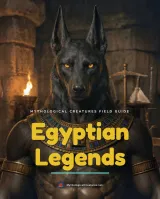
Egyptian Legends: A field guide to the gods and monsters of ancient Egypt
Guardians of the living and devourers of the dead, with the role each played in judgement.
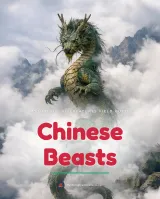
Chinese Beasts: A field guide to the dragons and demon kings of Chinese myth
From river dragons to demon kings, with the legends that shaped five thousand years of storytelling.
the legend in five swipes.
Partner with us
Sponsor this space
Reach thousands of mythology enthusiasts with a curated placement on our creature pages.
Learn about sponsorshipQuick Creature Info
Origin:
Features:
Our Mythic Legendary Rating:

Also Sometimes Known As:
Habitat:
Supernatural Powers:
Abilities:
Behavior:
Lore:
Related Creatures, Tales or Lore
- BBaba Yaga
- EEuropean Witch
- CCirce
References
Discover Another Mythical Legend You May Not Have Heard Of?
Uncover the mysteries of ancient folklore and expand your knowledge of legendary beings from cultures around the world.
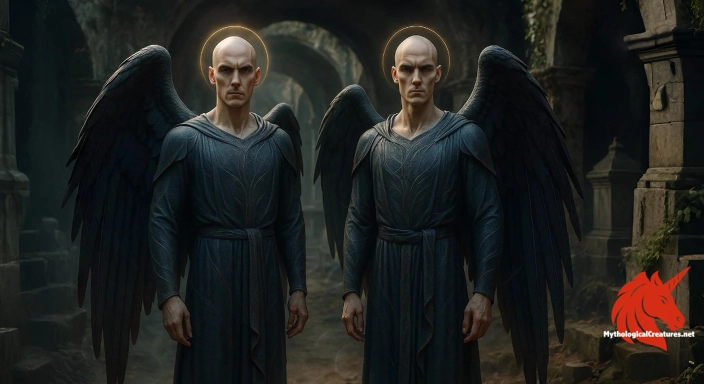
Dare to Meet the Munkar and Nakir....
The Mythological Creatures Book Series
Yokai, Greek, Norse, Egyptian & Chinese. Five illustrated field guides to the creatures the old stories either warned or told you about.
Curated by the Mythological Creatures Team
Series editor: Mythological Creatures Directory
Primary desk: Americas & Indigenous Traditions Desk
(rev. November 2025)