
Lagahoo: The Lagahoo is a fearsome shapeshifting monster from Trinidad and Tobago folklore.
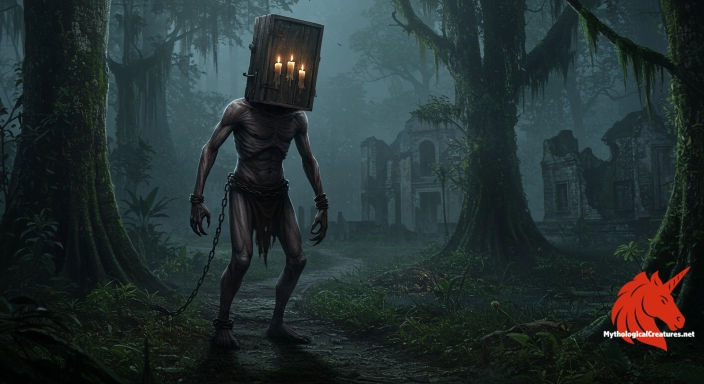
Lagahoo
Lagahoo - Embodies the terror of the night and the duality of human and monstrous traits in Caribbean folklore.
Origins & First Encounters
The Lagahoo is a captivating figure within the folklore of Trinidad and Tobago, steeped in mystery and cultural complexity. Born from a fusion of indigenous beliefs and colonial influences, it has been part of local storytelling traditions for generations. Its earliest mentions appear in oral narratives, where it is depicted as a being that straddles the mortal realm and the supernatural. The creature’s dual existence—appearing seemingly normal during the day and transforming into a fearsome apparition by night—resonates with the island’s rich historical tapestry. Local lore presents the Lagahoo as a symbol of the tensions between the natural and the otherworldly, encapsulating the island’s multifaceted heritage. The myth is deeply intertwined with the vibrant social and cultural practices of Trinidad and Tobago, serving both as a cautionary tale and as a marker of identity. Traditional storytellers have long used the Lagahoo to explore themes of transformation and duality. The enduring legacy of this monster is evident in its continued representation in local festivals and rituals. Modern interpretations further highlight its role as a cultural icon, bridging the past with contemporary imaginative expression.
Source Texts & Tale Variants
The narrative of the Lagahoo has been preserved primarily through age-old oral traditions and folkloric recitations. Diverse storytellers across Trinidad and Tobago have passed down variant tales that enrich its mythos, though few formal texts exist to capture its full complexity. Several regional compilations of folklore mention the creature, each embellishing its deeds and characteristics in unique ways. Accounts often differ on the specifics of its transformation, with storytellers offering multiple perspectives on its nocturnal form and habitual appearances. Some versions describe the creature’s headless visage and other supernatural traits, while others focus on its ability to change form and size at will. The scattered nature of these oral sources has led to intriguing inconsistencies, which in turn have inspired further reinterpretations over time. Local scribes and cultural historians have occasionally attempted to document these narratives, creating patchworks of insights that range from the eerie to the allegorical. Every account contributes a layer to a multifaceted character, ensuring that the Lagahoo remains a subject of both academic and popular fascination. This dynamic collection of sources highlights the fluidity of myth and the power of spoken word in shaping cultural memory.
Form & Powers
Descriptions of the Lagahoo paint a striking image, beginning with its daytime guise as an ostensibly ordinary human. When darkness falls, however, it transforms into a striking, headless figure adorned with a wooden coffin that drapes around its neck. Three lighted candles, placed atop this coffin, emit an eerie glow that enhances its supernatural presence. The creature is often depicted with a heavy iron chain noosed around its waist, the loose end trailing behind in a hypnotic motion. An unusual detail in some accounts is one appendage that appears to be turned backwards, adding an element of disorientation to its form. Its physicality is further complicated by its capacity for dramatic size fluctuations, shifting from minuscule to gigantic in a heartbeat. The Lagahoo is also known to adopt animal forms, morphing into creatures such as horses, pigs, or goats, and even assuming a centaur-like appearance in some renditions. These vivid, almost surreal portraits of the creature underscore a body that defies natural order and conventional human anatomy. Every detail, from the oscillating size to the bizarre arrangement of its chains and candles, contributes to an image that is as fascinating as it is fearsome.
Regional Faces
Across Trinidad and Tobago and into neighbouring Caribbean communities, the legend of the Lagahoo assumes various local flavours. While its core attributes remain largely consistent, subtle variations in description reflect the diverse cultural and historical influences in different areas. Some local traditions portray the creature with an emphasis on its ritualistic features, such as the use of holy water and oil in attempts to vanquish it. In other regions, the Lagahoo is imbued with a more sympathetic character, sometimes seen as a cursed wanderer rather than a mere monster. French-speaking communities in the Caribbean occasionally intertwine its narrative with that of the loup-garou, creating an interesting cross-cultural dialogue between European and local mythologies. In certain villages, the creature’s headless appearance is rendered with additional spectral qualities, such as an eerie luminescence in place of a missing head. This regional diversity highlights how folklore adapts and transforms to resonate with local values and experiences. The consistent inclusion of motifs like the wooden coffin and trailing chains, however, unites the disparate stories under a common mythos. Such regional variations ensure that the legend of the Lagahoo remains dynamic and open to reinterpretation with each new retelling.
Cultural Parallels
The Lagahoo occupies a distinctive niche within the wider realm of shapeshifting legends, inviting comparisons with well-known figures like the werewolf and the loup-garou. Unlike the traditional werewolf, its transformation is marked by a headless form and the eerie adornment of a coffin with flickering candles. This creature’s complex morphology invites a fascinating dialogue with similar beings from both European and non-European cultures. It shares with its European counterparts the notion of duality, where a seemingly ordinary individual conceals a monstrous nature beneath. At the same time, its ability to alter not only shape but also size sets it apart from the more rigid transformations seen in other myths. The Lagahoo also demonstrates traits akin to vampire legends, particularly its unselective appetite, which adds another layer of complexity. Comparisons across cultures reveal how diverse societies grapple with the idea of a dual existence—a human facade masking a darker, uncontrollable nature. By exploring these similarities and differences, one uncovers an intricate web of mythological archetypes that transcend geographic and cultural boundaries. This comparative perspective enriches our understanding by situating the Lagahoo within a broader narrative of human myth-making and the universal fascination with transformation.
Legacy & Modern Evolution
Over the centuries, the legend of the Lagahoo has evolved to reflect shifting societal values and artistic sensibilities. Originally a vital component of oral tradition, its narrative has expanded through the reinterpretations of storytellers and modern artists alike. The creature has become a powerful symbol of transformation, embodying both the allure and the terror of the unknown. Contemporary portrayals often cast the Lagahoo as a figure caught in a conflict between ancient curses and modern existential dilemmas. Theatre productions, novels, and film adaptations have breathed new life into the myth, inviting audiences to explore its rich allegorical potential. Its portrayal has been influenced by broader trends in Gothic and horror aesthetics, yet retained distinct regional characteristics that speak to its Caribbean heritage. The evolution of this myth exemplifies how folklore is not static but rather a living narrative, continuously reshaped by cultural dynamics. Modern festivals and storytelling events serve as a platform for the Lagahoo, ensuring that its mysterious legacy endures. Today, the creature stands not only as a relic of past fears but also as a versatile symbol open to creative reinterpretation in a rapidly changing world.
Interesting Fact
The Lagahoo’s distinctive appearance—with its headless visage, coffin, and ever-changing chains—sets it apart from typical werewolf legends and highlights the rich syncretism of Caribbean folklore.
Sponsor this space
Tasteful, fixed-fee placements for myth projects
No bidding wars or flashing banners. We offer simple placements for a small set of creators and brands aligned with our readers.
Request further detailsQuick Creature Info
Features:
Associations:
Our Mythic Legendary Rating:

Also Sometimes Known As:
Habitat:
Supernatural Powers:
Physical Attributes:
Abilities:
Behavior:
Weaknesses:
Lore:
References
Discover Another Mythical Legend You May Not Have Heard Of?
Uncover the mysteries of ancient folklore and expand your knowledge of legendary beings from cultures around the world.
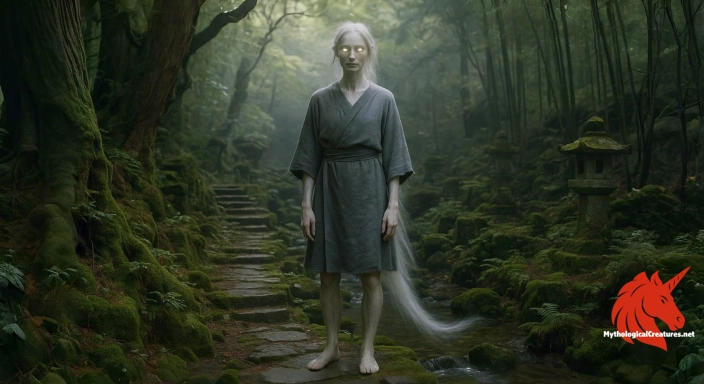
Dare to Meet the Obake....
Curated by the Mythological Creatures Team
Series editor: Mythological Creatures Directory
Primary desk: Americas & Indigenous Traditions Desk
(rev. November 2025)