
Leucosia: Leucosia is a Siren from Greek mythology, renowned for her entrancing and lethal song.
-aeea8486-06fd-4216-99e9-63a2b8417fdb_small.webp "Leucosia - Leucosia's tale underscores the perilous allure of the Sirens and is marked by geographical significance through the naming of an island after her.")
Leucosia
Leucosia - Leucosia's tale underscores the perilous allure of the Sirens and is marked by geographical significance through the naming of an island after her.
Origins & First Encounters
Leucosia emerges from the rich tapestry of Greek mythology as one of the famed Sirens whose captivating allure and mysterious charm have enthralled listeners for centuries. Born of the mighty river-god Achelous and blessed by the divine influence of either the Muse Melpomene or her sister Terpsichore, her origins combine the forces of nature and artistic inspiration. Her name, which translates as 'white-stuff', evokes an image of ethereal brightness and purity, distinguishing her among her siren siblings. Ancient traditions recount how her presence was intertwined with the rugged, storm-battered coastlines of the Mediterranean, where her legend took root. The island bearing her name, lying opposite the fabled Sirens' cape, provided a tangible locus for her myth and the enduring veneration by coastal communities. Her story first appears in fragmented oral tales and later in literary accounts that celebrated the enchanting and dangerous qualities of the sea. Throughout the ages, Leucosia's narrative has symbolised both the beauty of nature and the peril that lies in its seduction. The fusion of divine parentage and maritime intrigue rendered her a multifaceted figure, embodying the eternal dance between allure and doom. Her myth continues to inspire a sense of wonder and serves as a bridge between the ancient and the modern in the lore of the sea. By encapsulating elements of both tragedy and beauty, Leucosia remains a testament to the rich cultural heritage of Greek mythology.
Source Texts & Tale Variants
Ancient texts and fragmented literary sources provide glimpses of Leucosia’s enigmatic persona, revealing the layers of her myth through a diversity of narrative strands. Artistic depictions and vase paintings from antiquity offer subtle yet evocative portrayals of her character that have been passed down through generations. Some accounts present her as a siren whose melodious call could spell both seduction and doom, reflecting the dual nature attributed to her kind. Variations in her tale emerge from differing traditions that sometimes name Melpomene and at other times Terpsichore as her divine mother. Over time, oral traditions enriched her story, with coastal communities adapting the myth to reflect regional beliefs and local maritime rites. Inscribed references on ancient monuments and in local folklore attest to her widespread renown along seafaring routes. Despite the fragmentary nature of these ancient sources, they collectively contribute to a complex mosaic of myth and mystery. The evolution of her narrative in subsequent literary compilations allowed her character to assume new dimensions that went beyond the simple archetype of a seductive siren. Different versions of her story sometimes emphasise her connection to the natural elements, portraying her as both a muse and a cautionary symbol. This rich tapestry of sources underscores the enduring impact of Leucosia’s legend on the cultural imagination.
Form & Powers
Artistic depictions of Leucosia consistently highlight an otherworldly beauty that mirrors the luminous quality suggested by her name. She is often illustrated with a fair, almost alabaster complexion that seems to capture the essence of moonlit waves gliding over calm waters. Her striking eyes, frequently described as deep and reflective, are said to mirror the ever-changing moods of the sea. Flowing hair, rendered with the delicacy of sea foam, cascades around her shoulders, lending her an appearance both graceful and mysterious. Some images hint at a subtle melding of human and avian features, suggesting that elements of the myth transcend simple human form. Her slender, graceful figure is enhanced by garments that evoke the fluidity and rhythm of the ocean, often adorned with motifs of shells and rippling water. Variations in artistic styles sometimes imbue her form with ethereal, almost spectral qualities, blurring the line between mortal charm and divine allure. The interplay of soft light and shadow in these depictions serves to accentuate not only her beauty but also the inherent danger in her gaze. Every detail, from the curve of her silhouette to the delicate embellishments of her attire, reinforces her role as both an object of desire and a portent of the treacherous sea. The visual treatment of Leucosia thus captures a synthesis of elegance, mystery, and the natural majesty of the ocean.
Regional Faces
As the myth of Leucosia traversed different lands, her image was adapted to reflect the diverse cultural landscapes of the Mediterranean. Coastal regions in southern Italy, where seafaring and maritime lore have a long tradition, came to view her not only as a siren but as a protective spirit of the sea. Local communities imbued her tale with regional significance, linking her name to an island that served as a nexus for ancient maritime rituals. In parts of Magna Graecia and Sicily, her legend was interwoven with local festivals and was celebrated as part of rites that honoured the capricious nature of the ocean. The artistic depictions varied from one locale to another, with some regions portraying her as benevolent and others emphasising her more dangerous, seductive traits. Local storytellers often adapted her narrative to serve as a metaphor for both the bounties and perils of seafaring life. In these regions, Leucosia was sometimes invited into a broader pantheon of coastal deities, each representing different facets of the sea. Such regional reinterpretations underscore how geographical and cultural influences can reshape a myth to reflect local values and experiences. The enduring presence of her legend in mosaics, coins, and folklore within these communities highlights her continuing appeal. Ultimately, the regional variations of Leucosia’s myth showcase a complex dialogue between shared cultural heritage and local adaptation.
Cultural Parallels
Across various mythological traditions, the archetype embodied by Leucosia finds striking parallels that illuminate the common human fascination with enigmatic aquatic beings. Her dual role as both seductress and omen of danger is echoed in figures such as the Roman sirens and the Italian Melusina, whose legends similarly intertwine beauty with fatal allure. Comparative lore reveals that, like the sirens of other age-old traditions, Leucosia embodies the eternal tension between the welcoming beauty of the sea and the inherent peril lurking beneath its surface. The motif of a water-dwelling enchantress is a recurring theme in many cultures, resonating in the Celtic tales of merrows and the Nordic narratives of sea hags. Each cultural parallel offers a slightly different perspective on the emotional and symbolic resonances of such figures, yet they all acknowledge the transformative power of maritime mystery. Artistic representations across Europe and beyond have often fused these shared themes to create hybrid images that transcend their regional origins. The blending of nature and the supernatural in depictions of Leucosia and her counterparts underscores a universal narrative of beauty entwined with danger. Cross-cultural comparisons also reveal how similar symbols have been used to comment on humanity’s connection with the natural world. The parallels drawn between these diverse mythologies highlight the robust exchange of ideas and imagery that has shaped our understanding of nature’s dual qualities. In this light, Leucosia stands as a singular embodiment of a broader and timeless cosmic narrative.
Legacy & Modern Evolution
Over the centuries, the myth of Leucosia has evolved from a fragmentary classical tale into an enduring symbol that continues to influence modern cultural expressions. In early antiquity, her character served as a reminder of the seductive hazards of venturing too deeply into the unknown realms of the sea. With the passage of time, especially during the Renaissance, her mysterious allure was reinterpreted in art and literature, where she symbolised both grace and the bittersweet consequences of desire. Modern artistic and literary works have embraced her as an icon, reimagining her not merely as a lure but as a complex figure embodying both vulnerability and empowerment. Contemporary portrayals often explore the interplay between feminine mystery and the inexorable force of nature, drawing parallels with current themes of environmental awareness and the celebration of mythic heritage. In film, digital media, and modern festivals in coastal regions, Leucosia is celebrated as a muse who bridges the gap between ancient myth and modern sensibilities. Her story remains a fertile ground for reinterpretation, inspiring reinterpretations that question traditional notions of seduction and doom. As new generations seek to rediscover and reframe classical narratives, Leucosia's myth continues to be a source of creative inspiration. The evolving legacy of her legend reflects a dynamic cultural dialogue that honours both the timeless beauty of myth and its capacity to adapt in an ever-changing world. Ultimately, Leucosia’s enduring appeal is a testament to the power of ancient storytelling and its ability to resonate in diverse artistic and cultural contexts.
Interesting Fact
Leucosia’s name not only reflects her enchanting character but also lives on in the geographical naming of an island, underscoring the deep interconnection between myth and place in ancient Greek culture.
Reach myth fans
Connect your myth-driven brand with this audience
Our readers are writers, educators, gamers, and collectors who care about mythology. Enquire about a limited sponsor placement on creature pages.
Enquire about sponsorshipQuick Creature Info
Origin:
Features:
Associations:
Our Mythic Legendary Rating:

Habitat:
Supernatural Powers:
Physical Attributes:
Abilities:
Behavior:
Lore:
References
Discover Another Mythical Legend You May Not Have Heard Of?
Uncover the mysteries of ancient folklore and expand your knowledge of legendary beings from cultures around the world.
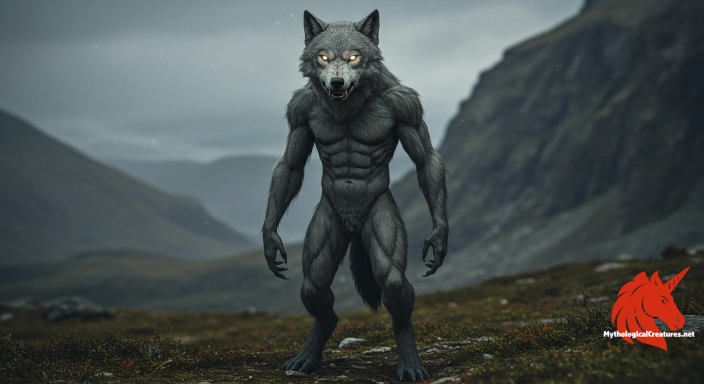
Dare to Meet the Wulver....
Curated by the Mythological Creatures Team
Series editor: Mythological Creatures Directory
Primary desk: Hellenic & Ancient Mediterranean Desk
(rev. November 2025)