
Little People of the Pryor Mountains: The Little People of the Pryor Mountains, also known as Nirumbee or Awwakkulé, are ferocious dwarfs from Crow folklore.
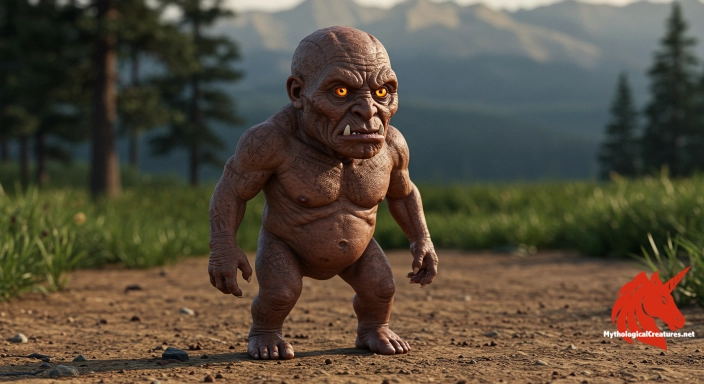
Little People of the Pryor Mountains
Little People of the Pryor Mountains - They are believed to impart spiritual wisdom and play a pivotal role in shaping the destiny of the Crow people, notably influencing the dreams of Chief Plenty Coups.
Origins & First Encounters
Rooted in the wild, rugged expanses of the Pryor Mountains, the Little People of the Pryor Mountains emerge as enigmatic figures in the heart of Crow tradition. Their native names, Nirumbee and Awwakkulé in the Crow language, evoke a sense of both mystery and deep cultural heritage. Steeped in lore, these ferocious dwarfs have long been associated with the dual qualities of formidable strength and profound spiritual insight. They appear in narratives that traverse the realms of myth and reality, embodying the spirit of a land both sacred and untamed. With roots embedded in ancient oral traditions, their stories have shaped the communal identity of the Crow people over countless generations. Each retelling reveals layers of symbolism, intertwining the physical terrain with the metaphysical world of dreams. Their early attestation in indigenous narratives underscores an intimate relationship between the natural environment and the socio-spiritual life of the tribe. The depiction of these little people as both fierce and wise continues to resonate, illuminating the enduring power of myth among the Crow. Their legacy serves as a reminder of the significant role that unique cultural figures play in defining the destiny of an entire community.
Source Texts & Tale Variants
The primary narratives of these beings are preserved in the rich oral traditions of the Crow tribe, transmitted through generations by trusted elders. Recorded accounts by early ethnographers capture the vivid encounters and dreamlike visions that first brought these beings to wider attention. Multiple versions of the stories exist, with each recounting highlighting different aspects of their nature, from their ferocity in battle to their quiet, guiding presence. In one cherished account, the revered Crow chief, Plenty Coups, experiences transformative dreams in which these entities impart warnings and wisdom. Other recitations suggest that the little people were active participants in significant cultural rituals, their actions influencing both natural events and human fortunes. Ceremonial chants and ritual songs have also immortalised their mythos, weaving elements of nature into the tales. Varied storytellers across time have contributed to the evolving tapestry of these legends, ensuring that each version adds new dimensions to their character. As diverse accounts proliferate, they collectively portray an image of beings who straddle the border between the mortal and the mystical. The accumulated body of narrative sources stands as a testament to the cultural importance of these enigmatic figures in Crow society.
Form & Powers
Descriptions of the Little People unfurl a picture of diminutive beings whose physical presence belies an intense inner strength and vigour. They are often depicted with a rugged, earthy complexion that echoes the rocky textures of their mountainous home. Their small stature is contrasted by sharp, expressive features, which many say shine with an almost unearthly light. Delicate markings, possibly symbolic scarifications or tattooed designs, trace intricate patterns across their faces, adding an element of mysticism to their appearance. Some accounts describe their eyes as deep, reflective pools capable of conveying both wisdom and ferocity. Attired in garments crafted from natural materials and adorned with elements drawn from the wild landscape, they seem to embody a seamless blend of nature and the supernatural. Variations exist within these portrayals, with some suggesting that different individuals display unique, almost otherworldly traits. Their physical form, though small, carries an aura of ancient power that sets them apart in the eyes of those who witness their legend. The fusion of natural elements with human features in their appearance makes them striking embodiments of the untamed wilderness and its secrets.
Regional Faces
The depiction of these beings takes on fascinating variations across different indigenous regions and cultural settings. Within Crow tradition, the Little People are portrayed as pivotal figures in both the spiritual and physical landscape of the Pryor Mountains. Nearby tribes sometimes adapt their myth, attributing similar traits to local guardians of nature, although under different names. In some areas, these beings are seen less as warriors and more as custodians of hidden, sacred spaces. Regional storytellers weave unique elements into the legend, sometimes aligning the little people with seasonal cycles or the rhythm of local weather. These adaptations reveal a subtle interplay between the environment and regional cultural values. In certain narratives, their trickster qualities come to the fore, offering lessons in humility and respect for nature. Elsewhere, they are revered for their role in healing and community cohesion during times of uncertainty. The regional diversity in their portrayal highlights a shared yet locally nuanced interpretation of the power held by these diminutive beings. Such local adaptations underscore the dynamic and multifaceted nature of indigenous myth, where even small figures hold the key to vast spiritual truths.
Cultural Parallels
The Little People of the Pryor Mountains share intriguing similarities with other mythological entities found across the globe, where small stature belies mighty influence. Their combination of wisdom and ferocity invites comparisons with European dwarfs and leprechauns, figures that similarly balance mischief with significant cultural impact. Across North American indigenous traditions, analogous spirits and guardians populate narratives as both protectors and harbingers of change. Many of these cultures also characterise their small mystical beings as messengers who traverse between the physical world and the realm of spiritual insight. The dual nature of these figures—as both benevolent guides and fierce defenders—resonates with similar archetypes encountered in diverse mythologies. Certain South Asian traditions, for example, uphold the image of Yakshas who embody both the nurturing and unpredictable aspects of nature. This cross-cultural pattern underscores a universal motif in which diminutive entities play pivotal roles in the moral and natural order of the world. In each cultural setting, these beings serve as bridges, connecting human communities with larger cosmic forces. Their recurring presence in global folklore invites a comparative study into how human societies symbolise the balance between vulnerability and power. The global parallels deepen our understanding of the symbolic resonance that small, seemingly inconsequential figures can hold in myth and legend.
Legacy & Modern Evolution
The legacy of the Little People has evolved, mirroring the shifting cultural landscapes in which they are celebrated. Early indigenous narratives cast them as essential figures interwoven with the destiny of the Crow tribe, serving both as guardians and as wellsprings of spiritual wisdom. In modern times, these beings have come to represent the resilience and continuity of native cultural identity amid changing social dynamics. Contemporary interpretations often place them at the heart of discussions on environmental stewardship and the preservation of sacred lands. Artistic renditions in literature, visual art, and performance have reimagined their mystique, presenting them as ambassadors of both ancient traditions and modern struggles. Their myth has been revitalised by cultural festivals and educational programmes that seek to reclaim indigenous heritage with pride and urgency. As modern audiences become more attuned to the interconnections between nature and spirituality, the Little People continue to inspire both respect and curiosity. Their story, replete with symbolic layers, resonates as a timeless reminder of the enduring bond between the land and its people. Today, they remain a dynamic figure in folklore, inspiring new generations to explore the rich depths of their indigenous past. The transformation of their legacy into a symbol of cultural and environmental awareness attests to the powerful role of myth in contemporary society.
Interesting Fact
A fascinating observation is that despite their diminutive size, these beings bridge the tangible and spiritual worlds by influencing dreams and shaping the destiny of an entire people.
For publishers and studios
Your next readers are already here
Many of our visitors are looking for books, campaigns, and resources that deepen their journey into myth. Position your title or setting here.
Discuss a placementQuick Creature Info
Origin:
Features:
Associations:
Our Mythic Legendary Rating:

Also Sometimes Known As:
Habitat:
Supernatural Powers:
Physical Attributes:
Abilities:
Behavior:
Lore:
Related Creatures, Tales or Lore
- LLeprechauns
- PPukwudgies
- MMenehune
References
Discover Another Mythical Legend You May Not Have Heard Of?
Uncover the mysteries of ancient folklore and expand your knowledge of legendary beings from cultures around the world.
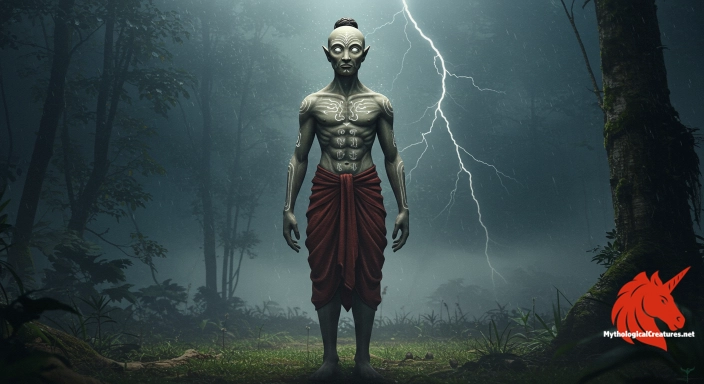
Dare to Meet the Mogaung Kyawzwa....
Curated by the Mythological Creatures Team
Series editor: Mythological Creatures Directory
Primary desk: Americas & Indigenous Traditions Desk
(rev. November 2025)