
Mares of Diomedes: The Mares of Diomedes are a notorious herd of man-eating horses from Greek mythology, known for their wild and uncontrollable nature.
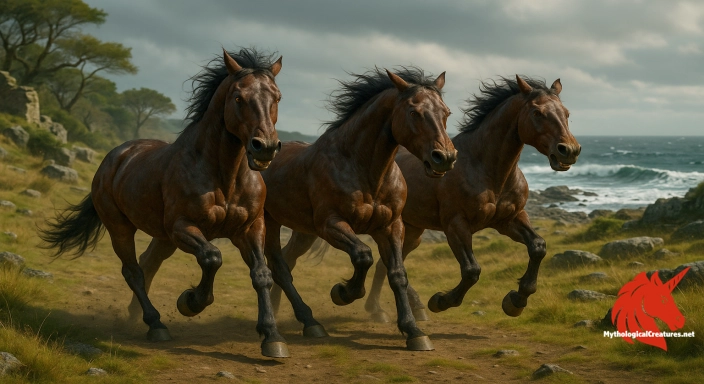
Mares of Diomedes
Mares of Diomedes - Their man-eating nature and terrifying presence represent the untamed and destructive forces of nature, serving as a formidable challenge in mythological labours and symbolising the dangers lurking beyond the bounds of civilization.
the legend in five swipes.
the legend in five swipes.
The First Records of the Mares of Diomedes
The Mares of Diomedes stand out in Greek mythology as a fearsome herd of man‐eating horses that embodied the untamed brutality of nature. Born from a myth steeped in the clash between civilisation and barbarism, these beasts belonged to Diomedes, the savage king of Thrace, and were linked to the very essence of human and divine conflict. Their origins are shrouded in mystery, intertwined with the passions of Ares, with the horses reflecting the ferocity of war and strife. Over time, they evolved into potent symbols of chaos and the dangers that lie beyond the reach of order, captivating the imaginations of ancient storytellers. Early attestations in the mythic cycles, particularly those surrounding the Labours of Heracles, placed these horses as both a challenge and a portent of nature’s unpredictable might. Legends later connected them with the lineage of Bucephalus, thereby linking them to the noble steeds of great conquerors such as Alexander the Great. The cultural context of the myth reflects deep-seated anxieties about the wild and uncontrollable forces that lurk along the borders of civilisation. Their story, vivid and enigmatic, continues to serve as a dramatic reminder of the fine line between heroism and savagery.
The Source Texts Behind the Mares of Diomedes
Ancient texts offer diverse and fragmented accounts of the Mares of Diomedes, embedding them in the fabric of heroic epics and mythological narratives. Literary sources, including parts of the epic tradition and later compilations like the Bibliotheca, recount their fearsome encounter with Heracles. Some poetic fragments hint at the raw intensity of these creatures, while various mythographers enriched the narrative with dramatic details. Different versions of the myth present the horses either as malevolent spirits of the wilderness or as cursed weapons of war, emphasising their man-eating nature. In some accounts the emphasis is on the test they posed to human mastery over nature, while in others they symbolise divine retribution. Over time, local storytellers and poets embellish the narrative, contributing their own regional flavour to the legend. This multiplicity of sources has ensured that the legacy of the Mares of Diomedes transcended a single, fixed interpretation. The variation in these narratives captures the broader cultural preoccupation with chaos and the unknown in the ancient world.
Did the Mares of Diomedes have any weaknesses?
The physical depiction of the Mares of Diomedes is as striking as it is terrifying, with descriptions that evoke both beauty and horror. They are portrayed as massive, muscular beasts with a raw, untamed energy that sets them apart from ordinary horses. Their manes are often described with an almost flame-like texture that cascades wildly over powerful shoulders, underscoring their inherent ferocity. Vivid imagery paints their coats in shades varying from deep, earthy chestnut to blood-red hues, symbolising the inner fire of their savage nature. Their eyes, fierce and glinting with a malevolent intelligence, add to their dread aura and hint at their unnatural origins. Some accounts suggest that their limbs, though robust and graceful in motion, are built for relentless, predatory charge rather than gentle gallop. The overall anatomy they possess is in stark contrast to the refined elegance of tamed horses, radiating an uncontrollable and almost demonic vitality. Each detail in their depiction serves to reinforce their status as not merely animals, but as manifestations of unchecked, perilous power.
Mares of Diomedes: Regional Versions and Local Names
Across the ancient world, the story of the Mares of Diomedes underwent fascinating regional adaptations that underscored local cultural values and fears. In Thrace, their native homeland, the horses were seen as emblematic of the wild, untamed landscapes surrounding the Black Sea, where nature ruled unchecked and survival required both strength and cunning. Local Thracian traditions emphasised the close relationship between the horses and the violent, primal forces of the earth. In nearby regions, the narrative was often modified to serve as a warning against the consequences of hubris and the perils of straying from civilisation. Variations in oral traditions sometimes led to the portrayal of the mares with even more demonic attributes, intertwining human savagery with mythic monstrosity. Artistic depictions in different locales reveal subtle shifts in emphasis; some cultures highlighted their imposing physicality, while others focused on their bloodthirsty appetites. These adaptations reflect broader ideological differences between regions that sought to explain the balance between human order and nature’s chaos. The enduring image of these horses thus gathered layers of meaning as it travelled between communities, each reinterpreting the myth to mirror its own struggles and aspirations.
Mares of Diomedes: Parallels in Other Cultures
The Mares of Diomedes share intriguing thematic parallels with fantastical steeds and wild creatures found in a variety of mythological traditions around the globe. Like certain Celtic legends of feral, untamable horses, they encapsulate the tension between the forces of civilisation and the wilderness. Similar to other mythic animals that blur the line between the mortal and the divine, such as the hell-hounds or spectral chargers in Nordic lore, these mares evoke both admiration and dread. Their man-eating trait has few direct parallels, yet it aligns with broader motifs of nature’s potential to violently reclaim its domain when disturbed by human arrogance. Comparisons can be drawn with other legendary animals that serve as tests of heroic prowess, forcing heroes to confront not only physical dangers but also metaphysical challenges. In Roman adaptations, wild creatures often embodied the chaotic spirit of the natural world, echoing the themes present in the Greek accounts of these horses. This cross-cultural interplay suggests that many civilisations grappled with similar ideas about the vulnerability of human order in the face of untamed nature. The enduring resonance of these motifs reinforces the universal appeal of myths that merge beauty with menace, fostering a shared dialogue between disparate cultures on the nature of power and control.
Mares of Diomedes: From Folklore to Pop Culture
Throughout history, the image of the Mares of Diomedes has evolved from a stark symbol of unbridled savagery to a complex emblem of the interplay between order and chaos. Early mythic accounts treated them as literal obstacles to be overcome by heroic endeavour, encapsulating mankind’s struggle against nature’s raw fury. In the Renaissance, artists revived these legends, rendering the mares with a dramatic flair that merged horror with sublime beauty. Their portrayal in visual arts and literature highlighted themes of transformation and the consequences of disrupting natural balance. Modern interpretations have embraced the duality of these creatures, casting them as both menacing predators and tragic figures within a larger narrative of fate and retribution. The ancestral claim linking them to Bucephalus has also fed into contemporary understandings of lineage and heroic legacy. As modern fantasy literature and film continue to draw on classical motifs, the spirit of the Mares of Diomedes reappears in reimagined forms that resonate with current themes of postmodern conflict between civilisation and wild chaos. In this way, their myth endures as a potent symbol, bridging the gap between ancient cautionary tales and the contemporary celebration of mythic imagination.
Interesting Fact
An intriguing aspect of the Mares of Diomedes is that, despite being horses—a species typically associated with nobility and grace—they were cursed with a man-eating appetite, challenging conventional perceptions and underscoring the unpredictable nature of myth.
Mythological Treasures
Greek Myths: A field guide to the monsters of ancient Greece
Every monster here earned its place in legend, and each gets a full page of artwork and the story behind it.
Japanese Yōkai: A field guide to the spirits and demons of Japanese folklore
Fifteen spirits, with the signs to watch for and what the old tales say to do if you meet one.
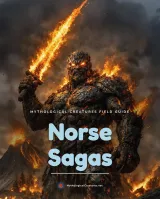
Norse Sagas: A field guide to the beasts of the Viking world
Drawn from the saga accounts themselves, with the powers, weaknesses and doom of each being set out.
the legend in five swipes.
For serious myth projects
Feature your work alongside the legends
From academic works to story-rich games, we highlight projects that respect world mythologies. Talk to us about a measured, long-term placement.
Start a conversationQuick Creature Info
Origin:
Features:
Our Mythic Legendary Rating:

Also Sometimes Known As:
Habitat:
Supernatural Powers:
Physical Attributes:
Abilities:
Behavior:
Weaknesses:
Lore:
References
Discover Another Mythical Legend You May Not Have Heard Of?
Uncover the mysteries of ancient folklore and expand your knowledge of legendary beings from cultures around the world.
Dare to Meet the Vörnir....
The Mythological Creatures Book Series
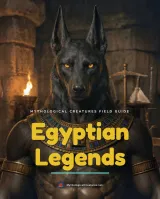
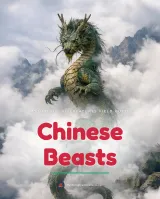
Yōkai, Greek, Norse, Egyptian & Chinese. Five illustrated field guides to the creatures the old stories either warned or told you about.
Curated by the Mythological Creatures Team
Series editor: Mythological Creatures Directory
Primary desk: Hellenic & Ancient Mediterranean Desk
(rev. November 2025)