
Nitus: Nitus are minute, elusive entities from Catalan mythology that infiltrate human ears and brains.
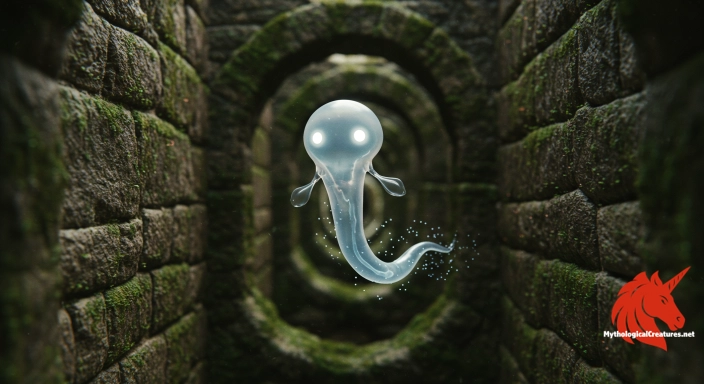
Nitus
Nitus - Symbolise the vulnerability of human memory and the unseen forces that can undermine mental vitality
Origins & First Encounters
Nitus are enigmatic miniature entities embedded in the fabric of Catalan mythology, intriguing both scholars and folklore enthusiasts with their mysterious presence. Often depicted as beings so diminutive that their true form defies description, they have been entwined with local traditions since time immemorial. The legends recount that these elusive spirits infiltrate a person’s ear, silently making their way to the brain where they influence memory. Their origins seem to be rooted in the ancient human need to explain sudden lapses of recollection and unexplained fatigue. Despite their minuscule size, Nitus have garnered significant symbolic weight in cultural narratives, representing the fragile boundaries between consciousness and oblivion. Early attestations in local oral traditions and later folkloric records suggest a persistent fascination with these beings across generations. They are portrayed not as harbingers of death, but as subtle usurpers that feed on the essence of memories, leaving behind only tiredness and forgetfulness. Artists and storytellers have woven their attributes into rich metaphors for mental erosion and the transient nature of knowledge. In the context of Catalan cultural identity, the Nitus are emblematic of deeper existential musings and the enigmatic interplay between the seen and unseen. Their legend continues to evoke a sense of wonder, prompting reflection on the vulnerabilities of the human mind.
Source Texts & Tale Variants
Ancient manuscripts and oral traditions form the cornerstone of the accounts surrounding the Nitus, with early references preserved in regional folklore collections. Narratives passed down through generations depict these beings in a variety of nuanced roles, blending mischief with a subtle, almost tender, interference in human life. Texts from medieval Catalonia occasionally hint at small, enigmatic presences that mirror the characteristics ascribed to the Nitus. Some lesser-known folklore anthologies include stories of individuals experiencing bouts of unexplained fatigue and memory loss that were subsequently attributed to these imperceptible creatures. Variants of the tale exist, where different localities provide slightly altered descriptions or even alternative names for the same mysterious phenomenon. These narrative strands have been collected in both written and oral forms, ensuring that the myth adapts to the shifting cultural landscape. Occasional literary reinterpretations further enhance the ambiguity and depth of the myth, offering rich versions that draw on contemporary experiences. The recorded sources, though sparse in some cases, collectively demonstrate a persistent cultural preoccupation with the unseen forces that influence human thought. The evolution of these narrative records, from whispered tales to documented folklore, reflects how the Nitus have remained a compelling part of Catalan storytelling. In their varied portrayals, the primary sources contribute to a mosaic of myth that is both enigmatic and culturally resonant.
Form & Powers
The physical form of the Nitus is enveloped in deliberate mystery, as they are described in terms that challenge conventional notions of form and substance. Their exceedingly small size renders them nearly invisible; many accounts suggest that they defy detailed representation beyond a suggestion of fleeting, amorphous presence. Some descriptions evoke an image of delicate, translucent motes, like a wisp of light or a fragment of mist that glides silently through the air. Visual representations often allude to a subtle luminescence and a ghostly shimmer, hinting at an ethereal quality that sets them apart from ordinary matter. Although comparisons to maggots are sometimes employed, this likeness serves more as a metaphor for their insidious nature than as a literal description. The adaptability of their form, shifting and elusive, further contributes to the challenge of capturing their appearance in art or literature. Occasional depictions include diminutive, almost insect-like features, such as minuscule eyes or silken wings, though such details vary widely across different accounts. The interplay of light and shadow in imaginative portrayals underscores a balance between tangible physicality and an intangible, otherworldly essence. Despite these occasional specifics, the overwhelming emphasis remains on their almost imperceptible nature. In essence, the Nitus are best understood as a composite idea—a physical manifestation of abstract fears and metaphors relating to memory and mental vitality.
Regional Faces
Regional variations of the Nitus myth showcase the adaptability and richness of Catalan folklore as it intermingles with neighbouring cultural influences. In rural communities, these beings are sometimes portrayed as mischievous yet benign spirits that disturb a person’s mental equilibrium as a playful reminder of human fallibility. Urban retellings, on the other hand, often adapt the myth to symbolise the stress and fatigue associated with modern life, reflecting the anxieties of rapidly changing environments. Some local traditions in the Pyrenees and surrounding areas have integrated the Nitus into seasonal rituals and communal festivals, thereby transforming the creature into an emblem of both creative inspiration and mental disruption. Variants from Occitan and Valencian sources occasionally merge attributes of the Nitus with local legends, imbuing them with traits that resonate with regional cultural values. In these adaptations, the creature’s role may shift from a mere memory thief to a more complex figure who occasionally offers brief moments of heightened insight before exacting its toll. The diversity in local narratives highlights how environmental and societal contexts shape the way these beings are envisioned. Differing regional accounts underscore a spectrum of interpretations, from a playful sprite to a solemn symbol of inevitable mental decay. This regional plurality enriches the myth’s cultural tapestry, ensuring that the Nitus remain a versatile figure across various communities. Collectively, these adaptations attest to the enduring power of folklore to evolve and reflect the changing concerns of its audience.
Cultural Parallels
The Nitus exhibit striking parallels with other diminutive, mischievous entities found throughout various mythological traditions across Europe and beyond. Their elusive nature and subtle impact on human well-being evoke comparisons to household faeries and sprites known in Celtic and Germanic lore, both of which similarly meddle with human affairs in benign yet disruptive ways. Like the trickster imps of Northern European myths, the Nitus embody the simultaneous allure and menace of the unseen realm. Cross-cultural reflections often reveal a shared motif of tiny beings affecting human consciousness, as seen in Slavic legends where similar creatures are thought to manipulate dreams and memories. In several indigenous myths, comparable spirits are described as ethereal guests who tip the balance between creative inspiration and mental exhaustion. This interweaving of traits across diverse traditions hints at a universal human preoccupation with the vulnerabilities of cognitive function. The recurring image of a small creature infiltrating the mind serves as an enduring metaphor for the delicate interplay between memory and forgetfulness. Contemporary interpretations sometimes conflate these mythological figures with modern notions of psychological and neurological disturbances, bridging ancient narratives with current scientific curiosities. The comparative study of such entities underscores the shared symbolic language that spans global folklore, uniting varied cultural expressions under common themes. Ultimately, the Nitus stand as a powerful testament to the universal human effort to personify and understand the mysteries of the mind.
Legacy & Modern Evolution
Throughout the ages, the myth of the Nitus has undergone a fascinating evolution, transitioning from a fragment of rural superstition into a layered symbol of modern existential concerns. Early depictions, which focused on their ability to stealthily invade the human mind, have gradually been reinterpreted as metaphors for the ephemeral nature of memory and the impacts of mental fatigue. In contemporary Catalan art and literature, the Nitus are frequently evoked as allegorical figures representing the erosion of personal and cultural recollections amidst the ceaseless turmoil of modern life. Modern storytellers employ the myth to explore themes of cognitive overload, reflecting the struggle to retain memories in an era dominated by rapid technological change. The shift from a literal interpretation to a more symbolic understanding has allowed the Nitus to remain relevant across generations. Visual artists have embraced the challenge of portraying these elusive spirits, often using abstract forms and light effects to capture their transient essence. This evolution reflects a broader trend in folklore, where ancient symbols are repurposed to comment on contemporary social and psychological issues. Public festivals and cultural events occasionally celebrate the myth, reinvigorating traditional narratives for new audiences. Academic discussions and interdisciplinary explorations have also emerged, linking the Nitus myth to modern studies of memory and neurology. In essence, the legacy of the Nitus bridges the gap between the mystical past and the reflective, ever-changing concerns of present-day society.
Interesting Fact
Despite their imperceptible size, Nitus are one of the few mythological entities specifically associated with the depletion of human memory, highlighting an early cultural commentary on the fragility of the mind.
Sponsor this space
Tasteful, fixed-fee placements for myth projects
No bidding wars or flashing banners. We offer simple placements for a small set of creators and brands aligned with our readers.
Request further detailsQuick Creature Info
Features:
Our Mythic Legendary Rating:

Habitat:
Supernatural Powers:
Physical Attributes:
Abilities:
Behavior:
Lore:
Related Creatures, Tales or Lore
- PPixies
- BBrownies
- IImps
References
Discover Another Mythical Legend You May Not Have Heard Of?
Uncover the mysteries of ancient folklore and expand your knowledge of legendary beings from cultures around the world.
Dare to Meet the Headless Horseman....
Curated by the Mythological Creatures Team
Series editor: Mythological Creatures Directory
Primary desk: Hellenic & Ancient Mediterranean Desk
(rev. November 2025)