Ótr: Ótr is a Norse dwarf renowned for his extraordinary shape-shifting ability, often assuming the form of an otter.
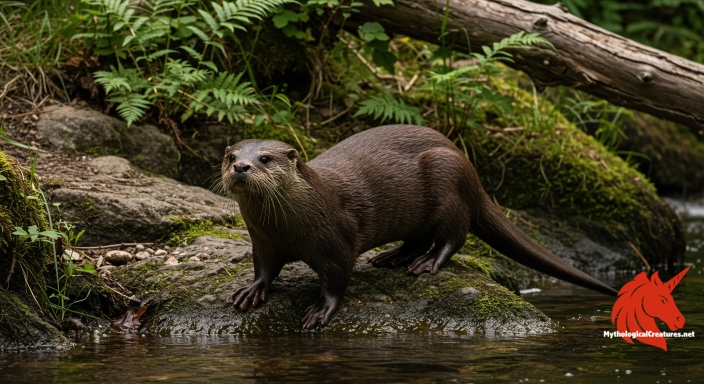
Ótr
Ótr - Ótr’s death, and the exorbitant weregild demanded for it, set off a chain of events that brought about a cursed treasure and tragic fates for his kin, underlining the conflict between the letter and spirit of law in Norse tradition.
the legend in five swipes.
the legend in five swipes.
When was Ótr first written about?
Ótr emerges as an enigmatic figure in Norse mythology, imbued with the ability to shift between forms and notions of fate. Born into a legendary lineage as the son of King Hreidmar and the sibling of figures like Fafnir and Regin, his origins are steeped in the lore of ancient Scandinavia. His life reflects a unique blend of magical transformation and the moral complexities woven into mythic narratives. Displaying the rare capacity to change shape, he often embraced the form of an otter, symbolising the merging of the wild and the controlled. The story of Ótr illustrates the intricate relationship between nature, law, and retribution, offering insights that have captivated audiences for generations. His tale is not only a chronicle of personal metamorphosis but also a reflection on the cost of ambiguity between human order and the untamed natural world. The early attestations within the Prose Edda tie his destiny to broader themes of greed, sacrifice, and the ironic twists of fate. His narrative serves as a timeless reminder of how mythic beings often encapsulate the conflicting forces of chaos and order. The legacy of Ótr continues to inspire curiosity about the interstices of legend and lived reality.
Which books and scrolls describe Ótr?
The narrative of Ótr is principally recorded in the Prose Edda, a cornerstone of Norse literary tradition that preserves the vivid tapestry of early Scandinavian mythology. His story, though succinctly noted in these manuscripts, has sparked a wealth of oral traditions and saga fragments that embellish his life and deeds. Variants of his tale emerge with subtle differences, particularly emphasising his propensity for transformation and the resulting unintended consequences. Some accounts detail the fateful encounter with Loki, whose desire for Ótr’s pelt sets off a cascade of retributive events. The exchange of gold for life—a weregild designed to mend a tragic wrong—features markedly in various retellings. Over time, storytellers have interwoven themes of law, honour, and the complexity of fate into his legend. Differences in narrative detail reflect the adaptability of myth, as local communities reinterpreted his story to resonate with their own values. The multiplicity of sources attests to the enduring fascination with the nuances of his character. These narrative variants work collectively to maintain Ótr’s position as a multifaceted symbol within the mythic tradition.
What does Ótr look like?
Ótr is portrayed as a creature whose appearance shifts marvelously between the familiar and the fantastical. In his natural, dwarvish incarnation, he possesses an earthy, robust form that is both rugged and graceful in its own right. His usual guise as an otter exhibits a sleek, watertight coat, with hues that evoke the deep, unspoiled colours of Scandinavian wilds. The texture of his fur is richly detailed in the lore, suggesting layers of strength and gentleness intermingled with the mystique of shape-shifting. His piercing eyes and agile movements lend him an air of both cunning and wild intelligence that resonates with the natural world. Descriptions often hint at a liminality that blurs the conventional boundaries between animal and humanoid, a duality that has fascinated audiences. The transformation is depicted as both seamless and profound, suggesting an innate command over both natural beauty and inherent power. Each rendering of his physical form captures an aspect of the myth’s larger commentary on identity and transformation. His very embodiment stands as a canvas upon which themes of nature, law, and the uncanny interlace.
Ótr: Regional Differences in the Legend
The story of Ótr has evolved subtly across the varied landscapes of Scandinavia, reflecting local interpretations and cultural idiosyncrasies. In some regions, the narrative places a stronger emphasis on his bond with the aquatic environment, portraying his otter form as a guardian of rivers and lakes. Certain local traditions accentuate the sympathetic aspects of his character, suggesting his transformations were a natural response to the world around him. Others stress the tragic outcomes that followed his death, focusing on the rigours of ancient justice and the perils of greed. Community retellings have occasionally infused his story with themes of rebirth and renewal, aligning his metamorphosis with the cycles of nature. Variations in the musicality and rhythm of the recounted events also highlight regional customs in storytelling. These regional adaptations underscore how myth can be tailored to reflect local societal concerns about the balance between nature and civilisation. The adaptability of his tale serves as an illustrative example of how folklore mirrors the unique ethos of different communities. Across these diverse traditions, Ótr becomes not only a mythic figure but also a cultural touchstone that speaks to regional identity and moral reflection.
Legends Comparable to That of Ótr
Ótr’s tale resonates with a broader spectrum of mythological narratives that explore the spectral border between human and animal forms. His ability to transform mirrors the shapeshifting legends found in Celtic tales of selkies and other metamorphosing beings, where fluid identity reflects deeper existential questions. Like these diverse figures, Ótr embodies the paradox of being at once a benign creature of nature and a catalyst for tragic retribution. His dual existence serves as a thematic bridge between the untamed aspects of the natural world and the rigid structures of societal law. Mythologies worldwide, from the trickster deities of various cultures to the folkloric spirits in rural communities, share similar motifs of transformation and its often unforeseen consequences. Such cross-cultural parallels reveal how shared human experiences inspire a recurrent symbolic language of change and caution. His narrative evokes a universal caution against excessive greed and the defiance of the natural order, themes common to many mythic traditions. The comparative study of legends like his provides a window into the shared cultural psyche that transcends geographic boundaries. In this way, Ótr’s story reinforces a global tapestry of myth that champions balance and warns of overreaching ambition.
Who tells the story of Ótr now?
Over centuries, the legacy of Ótr has undergone a fascinating evolution from its early medieval roots to its modern reinterpretations. Initially, his story was entrenched in the harsh realities of ancient law and retribution, framing his transformation and tragic end as a moral lesson against greed. As literary and artistic traditions evolved, subsequent generations revisited his myth with renewed emphasis on the nuances of identity and metamorphosis. Contemporary retellings often explore his character through a more empathetic lens, highlighting the inherent contradictions between nature and civilisation. Modern interpretations have expanded his symbolic resonance, casting him as both a tragic hero and an emblem of the unpredictable forces of change. Creative media, ranging from novels to visual arts, use his story as a metaphor for transformation and the inevitable clash between ethereal beauty and earthly consequence. The continual revival of his narrative underscores its enduring appeal, as each era reexamines the balance between tradition and innovation in storytelling. His legacy remains a subject of fascination for those probing the boundaries of myth and the mutable nature of identity. Through these evolving depictions, Ótr’s story persists as a compelling saga that mirrors the timeless struggle between order, chaos, and the transformative power of myth.
Interesting Fact
Ótr’s transformative ability is not just a physical trait but also symbolises the complex interplay between identity and fate in Norse myth, demonstrating how personal attributes can have far-reaching cosmic implications.
Mythological Treasures
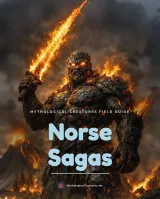
Norse Sagas: A field guide to the beasts of the Viking world
Drawn from the saga accounts themselves, with the powers, weaknesses and doom of each being set out.
Japanese Yokai: A field guide to the spirits and demons of Japanese folklore
Fifteen spirits, with the signs to watch for and what the old tales say to do if you meet one.
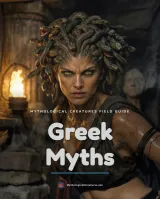
Greek Myths: A field guide to the monsters of ancient Greece
Every monster here earned its place in legend, and each gets a full page of artwork and the story behind it.
the legend in five swipes.
Mythology commerce, done carefully
Align your store with our global myth audience
If you sell myth-inspired jewellery, prints, decks, or collectibles, we can feature your brand without overwhelming the reading experience.
Partner with usQuick Creature Info
Origin:
Features:
Our Mythic Legendary Rating:

Also Sometimes Known As:
Habitat:
Supernatural Powers:
Physical Attributes:
Abilities:
Behavior:
Weaknesses:
Lore:
Related Creatures, Tales or Lore
- FFafnir
- RRegin
- AAndvari
References
Discover Another Mythical Legend You May Not Have Heard Of?
Uncover the mysteries of ancient folklore and expand your knowledge of legendary beings from cultures around the world.
Dare to Meet the Khamnung Kikoi Louonbi....
The Mythological Creatures Book Series
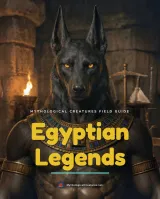
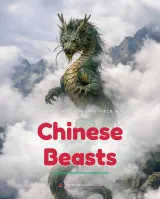
Yokai, Greek, Norse, Egyptian & Chinese. Five illustrated field guides to the creatures the old stories either warned or told you about.
Curated by the Mythological Creatures Team
Series editor: Mythological Creatures Directory
Primary desk: Northern & European Folklore Desk
(rev. November 2025)