
Peryton: The peryton is a mythological hybrid creature that combines the physical features of a stag and a bird.
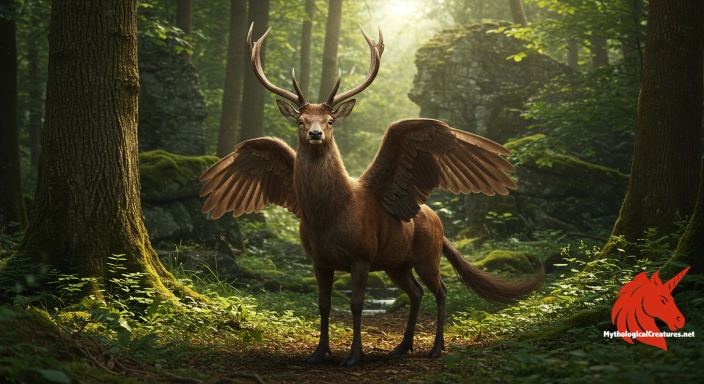
Peryton
Peryton - Peryton exemplifies the fusion of classical heraldic motifs with modern literary invention, blurring the lines between myth and imagination.
Origins & First Encounters
The peryton embodies a striking fusion of a stag and a bird, capturing the imagination with its unique blend of terrestrial and aerial grace. Born from the inventive mind of Jorge Luis Borges, this creature first emerged in his celebrated 1957 Book of Imaginary Beings. Though originally a product of literary creativity, the peryton has roots in the rich traditions of medieval symbolism and heraldry. Its depiction in long-lost manuscripts and royal standards suggests that it was envisioned as a creature bridging chivalric ideals with natural wonder. The image of a winged stag resonates deeply with cultural narratives that celebrate the coexistence of power, elegance, and mystery. Its hybrid nature invites interpretations that span the realms of myth, art, and even political iconography. It serves as a reminder of the enduring dialogue between historical myth-making and modern literary invention. Drawing from both ancient heraldic symbols and contemporary storytelling, the peryton continues to captivate audiences with its enigmatic presence.
Source Texts & Tale Variants
The peryton’s primary mention is found within Borges's imaginative compendium, where it is presented as a creature derived from obscure medieval manuscript fragments. This literary source, though fictional in its presentation, draws upon real heraldic traditions that featured winged stags in the emblems of nobility. Several story variants emerged from the melding of medieval art and later literary reinterpretations, each colouring the peryton with different layers of symbolism. Some accounts emphasise its role as a portent or emblem in battle standards, hinting at connections with royal imagery from France and Burgundy. Other narrative threads suggest a creature endowed with an almost mystical aura, capable of traversing realms both real and imagined. These variations demonstrate how the peryton’s story has been fluid, shaped by differing regional and temporal influences. While some versions focus on its formidable presence in heraldry, others render it as a whimsical hybrid that defies the boundaries of natural order. Through these multiple adaptations, the legacy of the peryton grows richer, inviting endless reinterpretation and debate.
Form & Powers
The peryton is a visually arresting figure, merging the graceful anatomy of a stag with the emphatic features of a majestic bird. Its body is typically portrayed with a lean, muscular frame, cloaked in a combination of soft fur and delicate plumage that hints at its dual heritage. Prominent, sweeping antlers crown its head, intermingling with hints of avian characteristics such as a streamlined beak in certain depictions. The creature’s powerful wings are broad and elaborately feathered, crafted to evoke both the freedom of flight and the regality of a noble beast. Depictions often vary in size, though the peryton is consistently imagined as large enough to inspire awe and intrigue. Its eyes convey a penetrating intelligence and a mysterious depth, suggesting a consciousness that defies mere animal instinct. A sinuous tail completes its form, merging the elegant lines of a deer with a subtle nod to the sweeping curvature typical of a bird’s silhouette. Every aspect of its anatomy is imbued with a sense of otherworldly balance, inviting viewers to ponder the harmonious fusion of nature and myth.
Regional Faces
Throughout various cultural landscapes, the peryton has adopted nuances that reflect local traditions and artistic sensibilities. In medieval France, for instance, the winged stag motif was intricately linked to royal heraldry, becoming a visual shorthand for nobility and valor. In contrast, some Eastern European traditions imbued the creature with a more ominous presence, casting it as a harbinger of change and mystery. Regionally, the peryton has been adapted to reflect differing aesthetic ideals, with variations in the size of its antlers and the style of its wings. In certain Iberian folktales, the creature is portrayed with a playful yet elusive character, a keeper of secrets in the dense lore of the land. North American reinterpretations have even intertwined it with native legends, where the peryton is seen as a spectral guardian of ancient forests. Subtle shifts in its depiction reveal how local myths overlay the universal themes of duality and transformation onto its form. Each regional cycle of the peryton’s myth underlines its adaptability as a symbol, able to mirror the diversity of human cultural expression.
Cultural Parallels
The ethereal nature of the peryton finds resonance in a number of mythological hybrids from diverse cultural traditions. Comparable to the griffin, which also amalgamates elements of multiple animals, the peryton challenges the confines of natural order. Its confluence of land and sky draws parallels with creatures such as the winged horses of ancient lore, celebrating the union of strength and freedom. This synthesis is echoed in the centaur of Greco-Roman myth, where human intellect is married with the wild essence of nature. Across various cultures, myths have positioned such hybrids as symbols of transformation and of the liminal spaces between fear and wonder. The peryton’s juxtaposed anatomy invites a similar comparative reading, one that transcends literal descriptions to explore deeper metaphorical dimensions. In many respects, its symbolic potency arises from the same human fascination that has birthed diverse creatures defying conventional biological boundaries. This cross-cultural dialogue enriches the narrative of the peryton, positioning it as both a distinct icon and an integral part of a global mythological tapestry.
Legacy & Modern Evolution
Over time, the peryton has journeyed from a literary curiosity to a pervasive symbol in modern culture. Its initial incarnation in medieval-inspired heraldry has been transformed through the imaginative reinterpretations of contemporary artists and writers. Modern fantasy literature and digital art have embraced the peryton as a character that encapsulates the magic of transformation and the fusion of myth with reality. As societal tastes evolved, so too did the creature’s portrayal, shifting from stark heraldic iconography to a more nuanced emblem of mystique and allure. The peryton now inhabits a vibrant space in popular culture, where its image adorns book covers, role-playing game manuals, and urban artistic expressions. Contemporary narratives often highlight its role as a mediator between the ancient and the modern, the earthly and the sublime. This evolution reflects a broader trend in which traditional mythologies are recontextualised to speak to modern sensibilities and aesthetic tastes. Today, the peryton remains a captivating figure whose enduring legacy reminds us of the perpetual interplay between human creativity and the natural world.
Interesting Fact
Despite being a modern literary invention, the peryton intriguingly connects with medieval heraldic traditions, demonstrating how new myths can echo and reinvent older symbols.
Support the directory
Promote your myth project and fund more research
Sponsor placements help keep this directory growing and free to use while giving your work a focused, relevant audience.
Learn how sponsorship worksQuick Creature Info
Features:
Our Mythic Legendary Rating:

Supernatural Powers:
Physical Attributes:
Abilities:
Lore:
Related Creatures, Tales or Lore
References
Discover Another Mythical Legend You May Not Have Heard Of?
Uncover the mysteries of ancient folklore and expand your knowledge of legendary beings from cultures around the world.
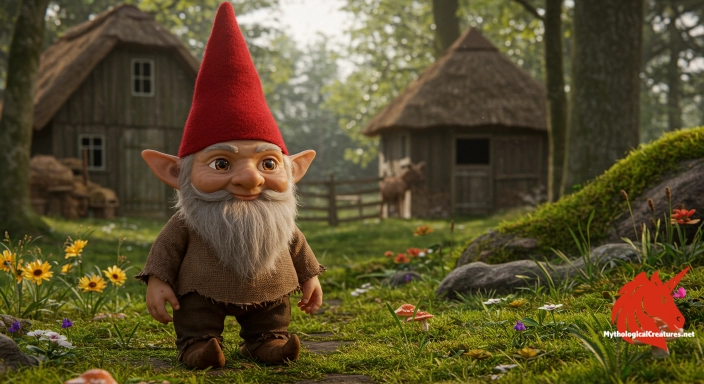
Dare to Meet the Kabouter....
Curated by the Mythological Creatures Team
Series editor: Mythological Creatures Directory
Primary desk: Hellenic & Ancient Mediterranean Desk
(rev. November 2025)