
Pyinsarupa: Pyinsarupa is a chimeric creature from Burmese mythology, renowned for its composite form derived from five distinct animal parts.
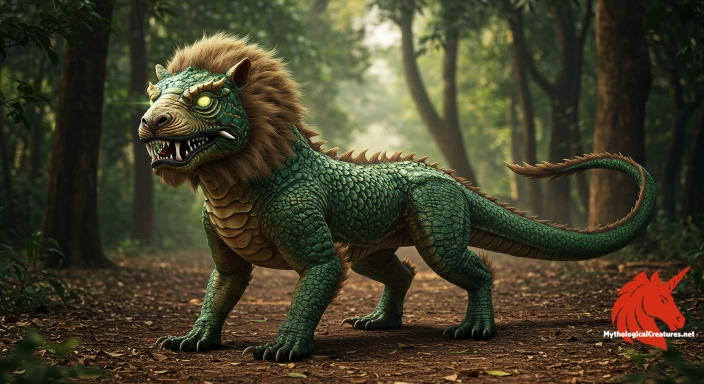
Pyinsarupa
Pyinsarupa - Represents the fusion of various animal traits to convey a symbol of unity and power in Southeast Asian culture
Origins & First Encounters
Pyinsarupa stands as a majestic emblem within Burmese mythology, embodying a synthesis of multifarious elements that resonate with both the natural and spiritual realms. Its very name, derived from the Pali term for ‘five forms’, hints at its intricate and layered nature, reflecting a deep symbolic heritage that has evolved over centuries. Early attestations of this chimeric creature are found in temple carvings and ancient inscriptions, where it was revered as a guardian and an auspicious symbol. The narrative of Pyinsarupa is interwoven with spiritual rituals and royal iconography, indicating its significant role in both religious and secular traditions. A fusion of indigenous beliefs and Pali textual influences, its image has consistently bridged the gap between earthly existence and celestial authority. In historical accounts, its multifaceted form has been interpreted as a manifestation of cosmic order and divine intervention. Artistic representations frequently depict it in elaborate reliefs, where the varying forms converge into a single, awe-inspiring entity. The enduring presence of Pyinsarupa in cultural artefacts illustrates its pivotal influence on the mythic and religious landscape of Burma.
Source Texts & Tale Variants
The lore surrounding Pyinsarupa is drawn from a rich tapestry of ancient manuscripts, temple inscriptions, and oral narratives passed down through generations. Sacred Pali texts and early royal chronicles offer some of the earliest glimpses into its mythic origins, detailing its emblematic role in the spiritual traditions of the region. Stone reliefs and carved statues in revered monasteries serve as visual documents that underscore its status and symbolism. Across local folklore, variations of its tale have emerged, each contributing unique facets to the creature’s composite nature. Multiple story variants exist, with some focusing on its divine emergence while others highlight its role as a protector of the realm. The written records are complemented by the retelling of legends in communal gatherings and temple rituals, ensuring that the myth is both preserved and perpetuated. Over time, regional adaptations have incorporated local iconographic elements, enriching the original narratives. Together, these diverse sources reflect the dynamic interplay between scripture, art, and tradition in shaping the enduring myth of Pyinsarupa.
Form & Powers
The physical depiction of Pyinsarupa is a masterful display of artistic creativity, blending features from several distinct animals into one chimeric form. Often, its form is segmented into five distinct parts, each corresponding to a particular attribute or natural force. One segment might display the regal head of a lion, exuding power and authority, while another part reflects the sinuous lines of a serpent, symbolising wisdom and transformation. Its body is adorned with intricate patterns, where the curvature of a fish’s tail or the dignified stance of an elephant further enrich its composite design. Artists have meticulously rendered its scales, fur, and feathers, creating a harmonious fusion that conveys both majesty and mystique. The creature’s eyes and facial expressions are frequently imbued with an intense, enigmatic quality that captivates the beholder. Variations in its scale range and structural details have been noted depending on the medium and era of the depiction. Whether carved in stone or painted on temple walls, the diverse anatomical details of Pyinsarupa serve as a testament to its layered symbolic significance.
Regional Faces
Regional interpretations of Pyinsarupa reveal a fascinating spectrum of local adaptations and cultural inflections. In Burma, it is often portrayed with an emphasis on spiritual guardianship and cosmic balance, reflecting the region’s rich tapestry of Buddhist and animistic traditions. In contrast, Thai renditions, where it is known as phaya luang, tend to highlight a more refined aesthetic that interlaces royal symbolism with spiritual authority. Variations in colour, ornamentation, and even the number of discernible forms can often be observed, underscoring the influence of local artistic tastes and religious narratives. The creature morphs in response to regional mythic ideals, sometimes absorbing characteristics typical of local fauna and artefact motifs. In some northern locales, its depiction becomes more austere and monumental, resonating with the local tradition of reverence for formidable guardian images. Conversely, southern interpretations may accentuate its ornamental qualities, integrating floral or geometric designs that echo indigenous artistic patterns. This regional dynamism illustrates how Pyinsarupa’s core symbolism can be both universally recognisable and locally distinct. The evolving portrayals across diverse cultures attest to the creature’s adaptability as well as its enduring allure in the collective mythos of Southeast Asia.
Cultural Parallels
Across the vast landscape of world mythology, Pyinsarupa occupies a unique position that invites compelling comparative analyses with other chimeric beings. Its composite structure, articulated through a harmonious blend of five distinct animal forms, is reminiscent of the Greek Chimera, albeit imbued with a context that is steeped in Southeast Asian spirituality. The symbolic convergence of multiple creatures into one being mirrors similar motifs found in Indian and Chinese myths, where multi-headed deities or composite animals often serve as emblems of cosmic balance and divine providence. Like the revered Qilin in Chinese lore, Pyinsarupa epitomises the union of earthly virtues and celestial mysticism. In both instances, the creatures act as intermediaries between the human and the divine, tasked with protecting sacred spaces and upholding moral order. Additional parallels can be drawn with certain Indian deities depicted with multiple faces or forms, symbolising the manifold aspects of life and spirituality. These cross-cultural comparisons underscore a common human inclination to synthesise disparate natural and supernatural attributes in the quest for symbolic perfection. Each tradition, while unique in its iconographic details, contributes to a broader understanding of how composite creatures articulate the mysteries of existence and the forces that govern the cosmos.
Legacy & Modern Evolution
The iconography of Pyinsarupa has transcended its ancient origins to forge a lasting legacy in both cultural and artistic domains. Initially immortalised in temple carvings and royal insignia, its image came to signify not only divine guardianship but also the unity of diverse natural forces and spiritual principles. Over the centuries, the creature has been reinvented through successive artistic epochs, absorbing influences from changing aesthetics and socio-political narratives. In modern Myanmar, Pyinsarupa is celebrated as a symbol of national identity and cultural resilience, often featured in public art and state emblems. Contemporary reinterpretations have seen the myth reimagined in literature, film, and digital media, where it continues to inspire creative explorations of heritage and mythology. Modern artists and designers frequently draw on its layered symbolism to comment on the fusion of tradition and modernity. Festivals, cultural exhibitions, and academic discourse further attest to its sustained relevance in today’s society. The enduring appeal of Pyinsarupa lies in its ability to encapsulate timeless themes of protection, transformation, and the harmonious coexistence of contrasting energies, ensuring that its myth remains as vibrant and influential as ever.
Interesting Fact
An intriguing aspect of Pyinsarupa is its embodiment of five distinct animal forms, a trait that not only defines its physical structure but also symbolizes the integration of varied powers and virtues in Southeast Asian mythology.
Partner with us
Sponsor this space
Reach thousands of mythology enthusiasts with a curated placement on our creature pages.
Learn about sponsorshipQuick Creature Info
Features:
Our Mythic Legendary Rating:

Also Sometimes Known As:
Habitat:
Supernatural Powers:
Physical Attributes:
Abilities:
Behavior:
Lore:
References
Discover Another Mythical Legend You May Not Have Heard Of?
Uncover the mysteries of ancient folklore and expand your knowledge of legendary beings from cultures around the world.
Dare to Meet the Manipogo....
Curated by the Mythological Creatures Team
Series editor: Mythological Creatures Directory
Primary desk: Asian & Pacific Myth Cycles Desk
(rev. November 2025)