
Qallupilluit: The Qallupilluit, also known as the Qalupalik, is a fearsome creature from Inuit mythology.
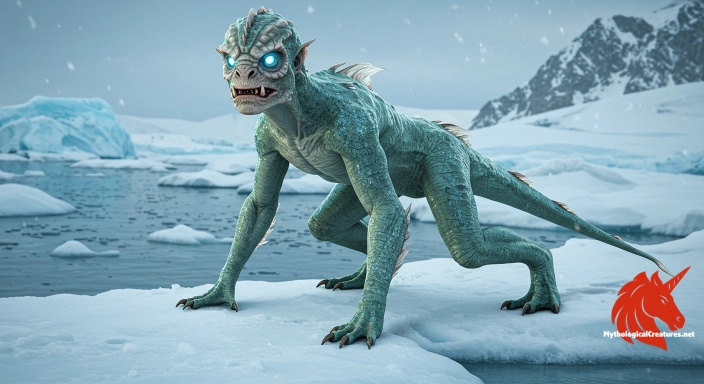
Qallupilluit
Qallupilluit - Serves as a warning to ensure children stay away from dangerous icy waters, highlighting the risks of the Arctic environment.
Origins & First Encounters
Deep in the frigid expanses of the Arctic, the Qallupilluit have remained an enigmatic presence woven into the very fabric of Inuit cultural lore. They are not merely mythical beings but serve as enduring embodiments of the harsh natural forces that shape life in icy shores. Rooted in ancient oral traditions, their tale has been passed from one generation to the next, often serving as a moral compass for young ones venturing too near treacherous waters. The earliest attestations of the myth appear in the legends recited by elders and storytellers residing along the remote Arctic coasts. While their origins are shrouded in mystery, it is clear that these stories were crafted as both warnings and reflections of the unpredictable environment. Over time, the narrative of the Qallupilluit has come to symbolise the delicate balance between human vulnerability and nature’s indomitable power. Its enduring role has not only protected children from environmental hazards but also reinforced a deep cultural connection to the land and sea. Each retelling adds further layers of meaning, encapsulating both the beauty and the danger inherent in the polar realm.
Source Texts & Tale Variants
Generations of Inuit storytellers have nurtured the legends of the Qallupilluit through the art of oral tradition rather than in written chronicles. Early records of this myth are found in the recollections shared by community elders whose narratives have been preserved through spoken word. Diverse accounts within these communities portray the creature as a spectral guardian of the shoreline whose mysterious interventions are aimed at wayward children. Some versions present the Qallupilluit as a solitary figure, while others describe a family of water-bound beings collectively linked by their menacing purpose. Various local dialects also offer alternate names, such as Qalupalik, reflecting regional adaptations of the myth. The handful of documented field notes and ethnographic studies from the Arctic have only scratched the surface of a rich tradition that spans countless oral recitations. Story variants sometimes differ in details like behavioural patterns or the nuances of their eerie appearances, further enriching the myth’s tapestry. As these narratives evolved over time, they have provided both a social guide for community safety and a fascinating window into the Inuit worldview.
Form & Powers
Descriptions of the Qallupilluit are as variable as the shifting ice of the Arctic seas, yet common themes consistently emerge. They are often envisioned with a human-like frame that is subtly transformed by aquatic attributes, setting them apart from ordinary beings. Many accounts suggest that their skin carries a cold, iridescent gleam reminiscent of fish scales, a feature that helps them merge with the frosty landscape. Long, sinewy limbs—with fingers that taper to sharp, claw-like extremities—add to their formidable presence. In certain recensions of the tale, haunting luminous eyes are said to reflect the stark, pale light of the endless polar day. Some storytellers even mention that the creature is adorned with remnants of seal skin or natural ornamentation that further blur the line between human and beast. Although size estimates vary, many depictions suggest they are of an unsettling stature, sometimes easily mistaken for a wayward child until one glimpses their uncanny details. In sum, the physical portrayal of the Qallupilluit blends human traits with maritime ferocity to create an image both beguiling and terrifying.
Regional Faces
The legend of the Qallupilluit resonates across a broad swathe of the Arctic, with each community adding its own local flavour to the myth. Inuit populations in northern Canada, Greenland, and Alaska have all embraced variations of the story, thereby crafting a diverse mosaic of interpretations. In some communities, the creature is depicted as an almost spectral figure who stealthily roams the icy shoreline, while other regions focus on its role as a stern guardian of dangerous water boundaries. Certain coastal villages have adapted the myth to reflect seasonal changes, incorporating elements such as the unpredictable movement of ice floes and the rhythm of the tides. Local legends may also imbue the creature with subtle traits drawn from regional shamanistic practices or traditional symbolism. Such adaptations reflect the distinct environmental challenges and cultural nuances experienced by disparate Inuit groups. These regional variations not only underscore the adaptability of the myth but also highlight its function as a living narrative. Ultimately, the Qallupilluit myth remains a vital cultural tool that evolves with the experiences and values of each local community.
Cultural Parallels
The cautionary theme embodied by the Qallupilluit finds striking parallels in numerous other cultural traditions, making it part of a broader global narrative of supernatural warnings. Similar to figures like the bogeyman found in European folklore, this creature serves to instil caution in children, preventing them from venturing into hazardous environments. In many cultures, water spirits or guardians arise as symbols of environmental dangers, from the sirens of Greek mythology to the elusive creatures of various indigenous wetlands. The dual nature of attraction and menace seen in these accounts resonates strongly with the depictions of the Qallupilluit, which blend seduction with the threat of retribution. Certain narratives position them alongside beings such as mermaids or selkies, whose mythic roles also bridge human familiarity and natural peril. This cross-cultural motif not only reflects a shared human instinct to rationalise and respect nature’s power but also reveals how different societies have historically used myth to enforce behavioural norms. Such comparative analysis highlights that despite vast geographical and cultural differences, the underlying message of protecting the young from environmental dangers is a universal human concern. In this way, the Qallupilluit myth acts as a microcosm of how diverse traditions can offer similar warnings through the language of legend.
Legacy & Modern Evolution
The transformation of the Qallupilluit myth over time is a testament to its enduring power and evolving significance within the Inuit cultural landscape. Initially conceived as a stark warning against the perils of the icy shoreline, the creature has gradually taken on a richer symbolism that speaks to the intimate relationship between people and their environment. Early versions of the tale, focused on the abduction of wayward children, have eventually merged with broader narratives about the unpredictability and beauty of the polar wilderness. With the passage of time and increased contact with outside cultures, the portrayal of the Qallupilluit has adapted to include modern sensibilities and environmental themes. Contemporary artistic representations—ranging from illustrations and sculptures to graphic novels and digital media—reimagine the creature as both a relic of ancient caution and a vibrant symbol of Arctic resilience. This modern reinterpretation serves to bridge the gap between traditional lore and current ecological concerns, particularly those regarding the rapidly changing polar environment. The legend now stands as an emblem of both cultural identity and the imperative to respect natural boundaries in a world undergoing constant transformation. As such, the Qallupilluit continues to evolve, affirming its place in the collective imagination of the Inuit and beyond.
Interesting Fact
Some contemporary interpretations suggest that the Qallupilluit may also be seen as a guardian of the natural world, adding layers of complexity to its traditional role as a monstrous abductor.
Partner with Mythological Creatures
Bring your myth-based world into ours
From game settings to narrative worlds, we work with partners who treat myths with care. Share your project for a potential sponsor slot.
Partner with usQuick Creature Info
Origin:
Associations:
Our Mythic Legendary Rating:

Also Sometimes Known As:
Habitat:
Supernatural Powers:
Physical Attributes:
Abilities:
Behavior:
Lore:
References
Discover Another Mythical Legend You May Not Have Heard Of?
Uncover the mysteries of ancient folklore and expand your knowledge of legendary beings from cultures around the world.
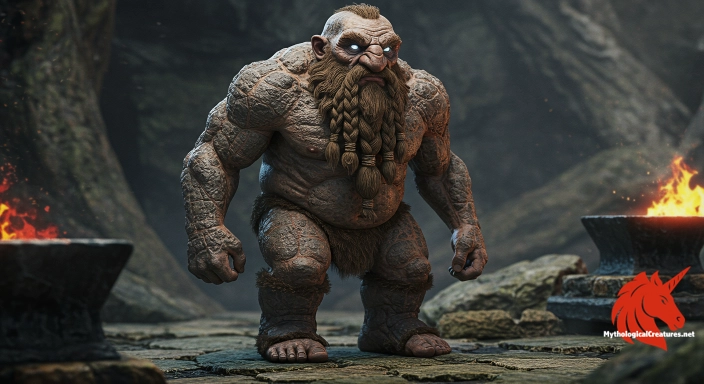
Dare to Meet the Dúrnir....
Curated by the Mythological Creatures Team
Series editor: Mythological Creatures Directory
Primary desk: Americas & Indigenous Traditions Desk
(rev. November 2025)