
Sampati: Sampati is a revered demigod in Hindu mythology known for his avian form, which may appear as a vulture or an eagle.
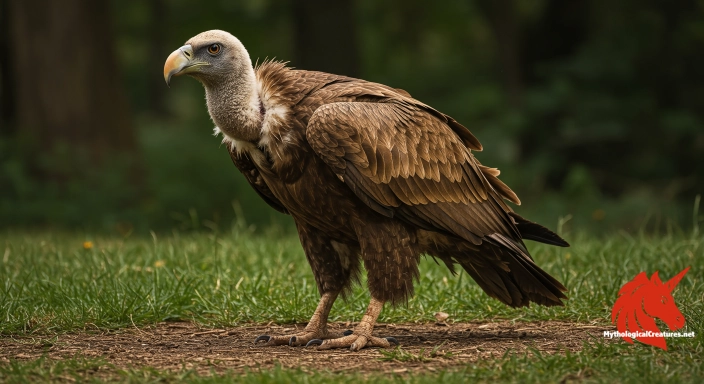
Sampati
Sampati - Sampati is a significant figure whose fall from the skies symbolizes sacrifice and plays an integral role in the mythological narratives of Hindu tradition.
Origins & First Encounters
Sampati stands as a fascinating figure within Hindu mythology, intricately woven into the cosmic narratives of the divine. Born as the elder son of Aruna and as the senior sibling to the renowned Jatayu, his origins are steeped in the celestial traditions that celebrate both divine might and human frailty. His early mythological attestations connect him with the radiant charioteer of the sun, establishing his place among those destined to serve the cosmic order. Though his life is marked by the poignant loss of his wings at a tender age, this sacrifice has come to symbolise a deeper metaphysical journey beyond mere physical limitations. His story, imbued with themes of sacrifice, duty, and transcendence, offers a reflective meditation on the balance between divine potential and the constraints of mortal existence. Ancient scriptures and oral traditions alike hint at the transformative impact of this loss, allowing his legend to evolve over time. The layered narrative surrounding Sampati invites audiences to ponder the interplay of fate, celestial duty, and the often bittersweet cost of ambition. His enduring cultural significance is evoked in temple lore, classical art, and poetic retellings that underscore the universal truths of sacrifice and resilience. Through these multiple facets, Sampati continues to inspire meditations on the inevitable interplay between loss and enlightenment.
Source Texts & Tale Variants
Ancient texts offer precious yet fragmented insights into the world of Sampati, with the Brahma Purana furnishing one of the more detailed references. His myth, though not as expansively detailed as that of his brother Jatayu, emerges through subtle mentions and symbolic references in several Puranic accounts. Some texts recount the bittersweet moment when he lost his wings, an episode that is laden with both divine consequence and human sorrow. Oral traditions and regional verses have further enriched his narrative, allowing local storytellers to embellish the tale with vivid insights into his character and destiny. Additional versions of his story even mention his swift progeny, notably his son Babhru, whose attributes of speed and agility mirror the lost grace of his father. While canonical scriptures provide only fleeting glimpses, commentators over centuries have woven elaborate interpretations that reflect on the nature of divine loss and redemption. These diverse literary strands highlight his role as a silent observer in the larger cosmic drama. The evolving layers of his documentation ensure that each retelling adds nuance to his identity as both celestial and tragically mortal. Collectively, these sources attest to a myth that, though modest in its original details, has grown in resonance through the voices of tradition and time.
Form & Powers
Sampati is traditionally depicted as a majestic bird, whose form straddles the line between the formidable attributes of a vulture and the nobility of an eagle. His keen, penetrating eyes and sharply curved beak communicate both an inherent authority and an undercurrent of melancholy. Iconographic representations often highlight a robust physique, suggesting the celestial power that once enabled him to traverse the skies. The conspicuous absence of his wings—a mark of an irreversible sacrifice—is portrayed with a dignified poignancy in art and literature. In various classical depictions, his weathered feathers and defined contours evoke the dual impressions of divine heritage and the scars of loss. Temple murals and traditional paintings frequently accentuate subtle ornamental details that hint at his storied past and celestial lineage. Each artistic rendition pays careful attention to his talons and beak, elements that continue to symbolise a latent, untamed strength despite his grounded state. The interplay of light and shadow in these depictions further underscores the tragic beauty of his transformation. Overall, the visual legacy of Sampati provides a powerful reminder that even in diminished form, divine beings radiate an irrevocable aura of mystique and resilience.
Regional Faces
Regional interpretations of Sampati's legend vary widely, each imbuing the myth with unique cultural inflections and local symbolism. In northern India, narratives often position him as a somber witness to cosmic events, using his loss as a metaphor for the vulnerabilities inherent in greatness. Southern traditions, meanwhile, sometimes celebrate his enduring wisdom, portraying his physical impairment as a catalyst for profound spiritual insight. Local folk troupes and traditional puppet theatres have adapted his story to underscore themes of sacrifice and rebirth, making his legend accessible to diverse audiences. Vibrant temple murals and locally commissioned artworks frequently render him with bold colours and indigenous stylistic elements that reflect the cultural milieu of the region. In the eastern parts of the subcontinent, his image is occasionally interlinked with that of guardian deities, reinforcing his protective and advisory roles. Regional retellings highlight his transformation as both a loss and a gateway to deeper understanding of divine will. These local adaptations ensure that each cultural context not only preserves his ancient identity but also reinvents it for modern adherents. Through these varied interpretations, Sampati’s myth transcends geographical boundaries, continuing to resonate as a symbol of sacrifice and redemption.
Cultural Parallels
Sampati’s narrative, with its dual themes of celestial might and tragic loss, finds fascinating parallels in mythologies across the world. His fate, marked by the forfeiture of the gift of flight, is reminiscent of global legends where divine beings face the consequences of overreaching ambition. In contrast to figures such as Garuda, who consistently embody the full splendour of avian divinity, Sampati represents the delicate balance between human frailty and celestial duty. European myths, for example, often recount tales of characters who suffer from the hubris of attempting to exceed natural limits, a motif echoed in his story. Native American traditions, with their revered Thunderbird, also present a nuanced interplay between supernatural strength and earthly constraints. Such cross-cultural motifs underscore a universal exploration of the costs and virtues of transcending innate boundaries. His narrative, therefore, not only enriches the tapestry of Hindu myth but also converses with a broader global tradition of fall and redemption. The comparative study of these myths reveals shared existential themes that bind disparate cultures. In this light, Sampati’s tale emerges as a resonant metaphor for the timeless negotiation between aspiration and limitation.
Legacy & Modern Evolution
Over the centuries, the legend of Sampati has journeyed from ancient scriptural references to a modern tapestry of artistic and cultural reinterpretations. His enduring narrative of sacrifice and the loss of flight continues to evoke meditations on duty, mortality, and the inherent limitations of even the divine. Classical texts portray him with a solemn dignity, a figure whose physical loss becomes a metaphor for deeper spiritual liberation. In contemporary culture, filmmakers, authors, and visual artists have reimagined his story to explore modern themes of resilience, transformation, and the quest for redemption. Contemporary art often juxtaposes his ancient iconography with modern leitmotifs, inviting audiences to reflect on the timeless nature of his lessons. His myth has also found expression in theatrical productions and literary works, where his journey is recast as an allegory for the struggle between destiny and human endeavour. As his story is passed down through generations, it has acquired layers of interpretation that speak to both historical tradition and emerging modern sensibilities. Educational initiatives and cultural festivals continue to celebrate his legacy, ensuring that his narrative retains its relevance in a rapidly evolving world. Through these dynamic expressions, Sampati remains a potent symbol of both divine sacrifice and the enduring human spirit.
Interesting Fact
An intriguing aspect of Sampati's legend is that his loss of wings, while seemingly a setback, has come to symbolize themes of sacrifice and redemption, reinforcing the complex interplay between fate and free will in Hindu mythology.
For serious myth projects
Feature your work alongside the legends
From academic works to story-rich games, we highlight projects that respect world mythologies. Talk to us about a measured, long-term placement.
Start a conversationQuick Creature Info
Features:
Associations:
Our Mythic Legendary Rating:

Habitat:
Supernatural Powers:
Physical Attributes:
Abilities:
Behavior:
Weaknesses:
Lore:
References
Discover Another Mythical Legend You May Not Have Heard Of?
Uncover the mysteries of ancient folklore and expand your knowledge of legendary beings from cultures around the world.
Dare to Meet the Nut....
-29c0cac3-465e-4faa-bbfc-60af33426b0e_small.webp "Depiction of Nut")
Curated by the Mythological Creatures Team
Series editor: Mythological Creatures Directory
Primary desk: Asian & Pacific Myth Cycles Desk
(rev. November 2025)