
Simbi: Simbi are traditional water and nature spirits from Central Africa, primarily embedded in the Kongo religious tradition.

Simbi
Simbi - Central to ritual practices, Simbi embody the connection between water, nature, and the spiritual realm, and play a vital role in cultural identity across Africa and its diaspora.
the legend in five swipes.
the legend in five swipes.
Simbi Origins: The Earliest Accounts
The Simbi forms a vibrant cornerstone of Central African spirituality and has long captivated the imagination of communities with its fluid character and deep-rooted connections to nature. Emerging from the rich traditions of the Kongo people, this spirit is celebrated as both a benevolent guardian and a mysterious mediator between land and water. Its origins are interlaced with narratives that speak of elemental power, where water, fire, and earth converge to create a being of ever-changing attributes. The Simbi’s legendary presence was first passed down through oral traditions that embraced both wonder and practicality in their recounting of nature’s miracles. It embodies an intricate tapestry of natural forces, symbolising not only abundance but also the delicate balance between creation and destruction. The prominence of Simbi in dynamic cultural rituals highlights the ancient veneration of natural phenomena in Central Africa. Contemporary retellings sustain the spirit’s legacy by integrating traditional wisdom with the evolving perspectives of modern communities. The character of the Simbi resonates through rituals, art, and communal memory, making it a timeless emblem of both nature and cultural resilience. Its story endures as a bridge connecting the mystical past with the lived experience of nature’s continual renewal.
What sources tell us about the Simbi?
Historical narratives of the Simbi are interwoven with a rich array of oral and textual traditions that have flourished over centuries. Early accounts, preserved through lively storytelling, reveal the spirit’s dynamic role in ceremonies and daily life, symbolising both protection and unpredictability. Colonial records and later written compilations also hint at its fascinating duality, noting the Simbi’s capacity to embody elements as diverse as water, fire, and earth. In the expansive lore of Central Africa, different communities have offered unique renditions of its tale, each emphasising distinct aspects that suit local cultural contexts. In regions beyond Africa, particularly in the Americas, practitioners of Hoodoo and Palo have woven the Simbi into the fabric of their spiritual practices, resulting in hybrid versions that echo its original mystique. These accounts are enriched by personal experiences shared by diviners and spiritual practitioners who encounter the Simbi during healing rituals and communal gatherings. Varied story variants often highlight its transformative ability, a trait that allows it to blend seamlessly into multiple narrative traditions. Such diverse sources collectively build a multifaceted portrait of the spirit, demonstrating its enduring influence across continents and epochs. The cumulative legacy of these narratives ensures that the Simbi remains a compelling figure in both academic discussions and lived cultural practices.
Simbi: What the Legends Describe
Visual depictions of the Simbi reveal a creature whose form is as mutable as the waters it inhabits, inviting diverse interpretations that merge human and natural elements. In some portrayals, the spirit is rendered as a mermaid-like figure boasting a graceful upper torso with shimmering scales and a lower body that flows seamlessly into aquatic depths. Artists have frequently emphasised its serpentine grace, illustrating a sleek, sinuous body that echoes the fluid dynamics of river currents. Equally, traditional imagery often incorporates elements of pottery and gourds, suggesting a deep link between the spirit’s essence and the processes of creation and transformation. Some representations enhance this mystique by introducing a subtle aura reminiscent of fire, which lends an ephemeral, almost otherworldly glow to its contours. The Simbi’s visage is typically adorned with intricate markings and patterns that reflect the natural world, echoing the ripples of water and the textures of the earth. Variations in size and form are common, with some depictions portraying a gentle, diminutive being, while others cast it as a grand and imposing presence. Each artistic interpretation captures a fragment of its complex symbolism, reflecting the multiplicity of roles the spirit fulfils. This layered physical imagery not only underscores its elemental origins but also celebrates the rich imaginative heritage of the cultures that revere it.
How do the Simbi differ by region?
In its native Central African setting, the Simbi is venerated as a potent water spirit whose attributes are deeply entwined with the local natural landscape. Rural communities have nurtured an array of distinctive oral traditions, each imbuing the spirit with qualities that encapsulate regional ecological and social realities. As the narrative of the Simbi migrated with displaced communities, its role expanded and diversified in the Americas, where it gracefully merged with indigenous beliefs and new cultural dynamics. In Cuba, for example, practitioners within Palo traditions perceive the Simbi as an intermediary with nature, integrating its transformative powers into ritual practices. In Haiti, echoes of the spirit resonate within a unique spiritual framework that intertwines elements of ancestral worship and the voodoo pantheon. In parts of the southern United States, influences from Hoodoo have allowed for a local reinterpretation, wherein the spirit becomes a symbol of both mystery and survival. These regional adaptations highlight the Simbi’s remarkable ability to evolve and align itself with differing cultural values. Local icons might incorporate native flora, artistic styles, and even contemporary symbols, ensuring that the Simbi remains both familiar and dynamic. This regional diversity not only enriches the overall myth but also stands as a testament to the spirit’s adaptability in an ever-changing cultural landscape.
Are the Simbi unique, or found elsewhere?
The Simbi shares intriguing similarities with other water spirits found in a variety of cultural contexts, forging unexpected bridges between disparate mythological traditions. Its fluid and transformative nature bears a striking resemblance to the Mami Wata, a revered water deity whose worship spans West Africa and the Afro-Caribbean world. Both entities are celebrated for their ability to traverse between the human and supernatural realms, often acting as mediators of life’s cyclical rhythms. Echoes of the Simbi are also discernible in the fluid depictions of European water nymphs and even in the serpentine imagery of certain East Asian mythological creatures. These comparative figures are united by a common appreciation for the elemental power of water and its capacity to symbolise fertility, renewal, and mystery. The shared motifs of transformation and healing across these traditions underscore an international dialogue about the forces of nature. As communities around the world have grappled with explaining the unknown, similar archetypes have emerged, each adapting shared symbols to local contexts. This broader cross-cultural perspective enhances our understanding of the Simbi, demonstrating that the magic of water and nature is a universally resonant theme. By engaging in comparative analysis, one can appreciate not only the unique features of the Simbi but also the common threads that link it to a vast tapestry of aquatic deities and spirits globally.
Where do you see the Simbi today?
Over the centuries, the representation of the Simbi has undergone an intricate evolution, adapting gracefully to the shifts in cultural and historical contexts. From its deep roots in the oral traditions of Central Africa, its symbolism has been carried across continents through the transformative journeys of the Bantu people. The forced dislocation and subsequent melding with American cultural forms have enriched the Simbi’s narrative, allowing it to assume new dimensions in spiritual practice and artistic expression. Contemporary depictions often portray the Simbi as a resilient emblem of identity, woven into the fabric of community healing, creative expression, and religious innovation. Modern media and artistic endeavours have embraced its fluid aesthetic, often reinterpreting its imagery in paintings, sculptures, and digital art that celebrate both tradition and transformation. Its symbolism, once confined to ritual invocations, now finds resonance in literature, music, and performance arts, where themes of rebirth and adaptability are highly valued. The enduring legacy of the Simbi is a reflection of its capacity to inspire both reverence for nature and a deep sense of cultural pride. As new generations rediscover and reimagine its tale, the Simbi continues to serve as a dynamic link between ancestral wisdom and modern sensibilities. Its historical evolution stands as a powerful reminder of how cultural narratives can transcend time and geography, nurturing the spirit of resilience and creativity among diverse communities.
Interesting Fact
An intriguing aspect of Simbi is their syncretic evolution; originally rooted in Central African spirituality, their form and attributes have been shaped by diverse cultural contexts in the African diaspora, merging water, nature, and fire symbolism into one multifaceted entity.
Mythological Treasures
Chinese Beasts: A field guide to the dragons and demon kings of Chinese myth
From river dragons to demon kings, with the legends that shaped five thousand years of storytelling.
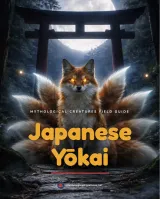
Japanese Yokai: A field guide to the spirits and demons of Japanese folklore
Fifteen spirits, with the signs to watch for and what the old tales say to do if you meet one.
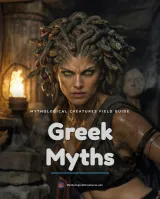
Greek Myths: A field guide to the monsters of ancient Greece
Every monster here earned its place in legend, and each gets a full page of artwork and the story behind it.
the legend in five swipes.
Partner with Mythological Creatures
Bring your myth-based world into ours
From game settings to narrative worlds, we work with partners who treat myths with care. Share your project for a potential sponsor slot.
Partner with usQuick Creature Info
Origin:
Features:
Associations:
Our Mythic Legendary Rating:

Also Sometimes Known As:
Habitat:
Supernatural Powers:
Physical Attributes:
Abilities:
Behavior:
Weaknesses:
Lore:
Related Creatures, Tales or Lore
- MMami Wata
- YYemaya
- LLa Sirène
References
Discover Another Mythical Legend You May Not Have Heard Of?
Uncover the mysteries of ancient folklore and expand your knowledge of legendary beings from cultures around the world.
Dare to Meet the Salamis....

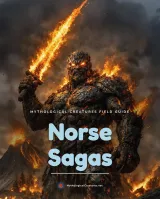
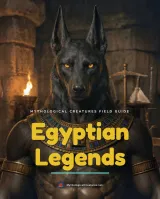
The Mythological Creatures Book Series
Yokai, Greek, Norse, Egyptian & Chinese. Five illustrated field guides to the creatures the old stories either warned or told you about.
Curated by the Mythological Creatures Team
Series editor: Mythological Creatures Directory
Primary desk: African & Diaspora Traditions Desk
(rev. November 2025)