
Syrictæ: The Syrictæ, also known as Syrictae, Sciritai, or Skiritai, were a legendary Indian tribe featured in medieval bestiaries and Greek mythology.

Syrictæ
Syrictæ - They represent the medieval fascination with exotic peoples and the blending of fact and fantasy in describing distant lands.
the legend in five swipes.
the legend in five swipes.
Syrictæ Origins: The Earliest Accounts
The mysterious history of the Syrictæ is woven into the tapestry of ancient myth and medieval imagination. Their origins, emerging from early Greek mythology and later flourishing in European bestiaries, speak of an exotic Indian tribe whose features defied conventional human form. They possessed an astonishing transformation of their nostrils, which took on a sinuous, snake-like appearance that immediately set them apart. Complementing this unusual trait were bandy, serpentine legs that evoked both grace and an uncanny otherness. Early chroniclers recounted their appearance with a mixture of awe and apprehension, blending traveller’s impressions with creative embellishment. As the myth spread, artists and writers used these distinctive features to symbolise the enigmatic interplay between the known and the mysterious. This unique portrayal reflected broader cultural fascinations with the distant and the fantastical. Over time, the Syrictæ came to embody the spirit of exoticism and transformation, challenging the strict boundaries of nature and humanity. Their enduring image continues to captivate those who seek wonder in the margins of historical record. In every retelling, their story reveals a deep-seated curiosity about the larger world and the creatures that might inhabit it.
Syrictæ: The Written Sources
Ancient texts and travel narratives first introduced the enigmatic Syrictæ into the realm of myth, embedding them within a wider collection of exotic peoples. Early Greek accounts hinted at a remote tribe whose compelling physical anomalies stirred both intrigue and scepticism. As centuries passed, medieval bestiaries absorbed these fragmented stories, interweaving them with allegorical lessons and moral symbolism. Illuminated manuscripts further amplified their legend through detailed illustrations that underscored their reptilian features. Different story variants arose as diverse cultures reinterpreted the creature, melding ancient impressions with localized beliefs. Some narratives cast the Syrictæ as mystical guardians or omens of the unknown, while others portrayed them as emblematic of nature’s transformative power. The multiplicity of accounts illustrates how myth evolves by blending observed curiosities with imaginative enhancements. These texts, whether terse historical remarks or elaborated fables, contributed to a rich mosaic of lore. Each version added a distinctive hue to the overall portrait of the creature. This evolving narrative demonstrates how myth-making transforms scattered details into an enduring, multifaceted symbol.
What could the Syrictæ do?
The distinctive physical form of the Syrictæ captivates the imagination with its imaginative blend of human and reptilian traits. Central to their appearance is the transformation of ordinary nostrils into sinuous, snake-like structures that evoke an aura of mystery. Their bandy, serpentine legs enhance this ethereal quality, suggesting a fluid and almost hypnotic gait. The contours of their faces often bear hints of both human elegance and reptilian peculiarity, which creates a disconcerting yet fascinating look. Some depictions even hint at a subtle sheen or a textured skin that recalls the delicate scales of a serpent. This combination of features produces a creature that inhabits the liminal space between familiarity and the uncanny. Artistic representations from different periods emphasise varying aspects of their unusual anatomy, sometimes highlighting the elegance of their movement and at other times the alien nature of their nasal form. The interplay of human structure with reptilian adaptations creates an enigmatic silhouette that has both graceful and unsettling qualities. Each detail of their anatomy contributes to an overall impression that is as beautifully odd as it is thought-provoking. This composite form continues to stimulate the creative interpretation of artists and writers alike.
How did location shape the story of the Syrictæ?
The depiction of the Syrictæ has undergone substantial transformation as their myth travelled through various cultural and geographical landscapes. In classical Greek sources, the creature was loosely linked with the mysterious fringes of the known world, its exotic features sparking curiosity about distant lands. Medieval European bestiaries embraced these far-flung narratives, incorporating the Syrictæ as emblematic figures whose traits both fascinated and unsettled their audiences. In the Byzantine and Islamic artistic traditions, subtle reinterpretations gradually emerged that recalibrated the balance between human and serpent characteristics. Some Eastern traditions even wove the creature into local mythologies, sometimes casting it as a protector or an embodiment of nature’s elusive powers. Variations in depiction—whether emphasising the unsettling snake-like nostrils or accentuating the fluid, serpentine form of the legs—reflect the distinctive aesthetics of each region. Cultures often adapted the core myth to align with their own symbolic systems and social narratives, thereby enriching its complexity. Each regional variation retains the central motif while reconfiguring its symbolic nuances to resonate with local values. The diverse portrayals underscore how myth is reshaped in the interplay between global tales and regional identity. Consequently, the Syrictæ serve as a compelling example of how legends acquire different shades of meaning depending on their cultural context.
How does the Syrictæ legend compare worldwide?
The lore of the Syrictæ invites a rich comparative analysis with other hybrid beings found in mythologies across the globe. Parallels can be drawn with serpentine deities of Indian tradition, such as the nagas, who similarly straddle the worlds of man and myth through their humanised yet reptilian form. Equally, the creature’s unusual blend of traits resonates with certain figures in ancient Greek accounts where mythic hybrids challenged conventional categorisations. This convergence of human and animal features illustrates a universal motif in myth where the boundaries between nature and culture, humanity and the wild, are fluid. While the Syrictæ are uniquely identified by their snake-like nostrils, they share thematic similarities with other legendary beings who embody transformation and otherness. The use of reptilian imagery in multiple cultures is often associated with ideas of rebirth, danger, and hidden wisdom. Such comparative reflections highlight how diverse mythologies employ similar symbols to articulate a sense of the uncanny. The cross-cultural dialogue underscores a common human impulse to explain the unknown by blending disparate elements into a single, evocative figure. In this light, the myth of the Syrictæ forms part of a broader tapestry of legend that spans continents and epochs. This intertextual connection enriches our understanding of how mythical symbolism evolves across diverse cultural landscapes.
Where do you see the Syrictæ today?
Over the centuries, the legacy of the Syrictæ has evolved from an obscure reference in ancient manuscripts to a favoured emblem in modern myth-making and fantasy art. The revival of classical narratives during the Renaissance saw these enigmatic creatures reimagined as potent symbols of transformation and the mysterious allure of the exotic. Gradually, their portrayal shifted from literal accounts to metaphorical interpretations, where the blend of human and reptilian features symbolised both beauty and the inherent strangeness of the unknown. In contemporary culture, the Syrictæ appear in a variety of creative media, ranging from graphic novels to role-playing games that explore themes of otherness and metamorphosis. Modern artists and writers harness their ambiguous aesthetic to interrogate ideas about identity, hybridity, and the boundaries of civilisation. The creature’s evolving depiction reflects broader changes in societal attitudes toward the exotic, as it transitions from a marker of distant terror to a celebrated icon of fantastical creativity. Contemporary reinterpretations often emphasise the poetic interplay of form and function, highlighting the mystique of their serpentine attributes. As myth and modernity intertwine, the Syrictæ continue to inspire a reimagined legacy that transcends historical confines. The continuous reinvention of their image offers a window into the enduring power of myth to both challenge and enchant. Ultimately, the story of the Syrictæ stands as a testament to the dynamic interplay between time-honoured legend and modern imagination.
Interesting Fact
An interesting observation is that the Syrictæ’s depiction blurs the line between human and serpent, symbolising medieval intrigue with exotic and anomalous forms of life.
Mythological Treasures
Greek Myths: A field guide to the monsters of ancient Greece
Every monster here earned its place in legend, and each gets a full page of artwork and the story behind it.
Norse Sagas: A field guide to the beasts of the Viking world
Drawn from the saga accounts themselves, with the powers, weaknesses and doom of each being set out.
Egyptian Legends: A field guide to the gods and monsters of ancient Egypt
Guardians of the living and devourers of the dead, with the role each played in judgement.
the legend in five swipes.
For authors, artists, and makers
Created something from the realm of myth?
If your book, deck, game, or artwork draws from legendary creatures and lore, you can showcase it here in a tasteful, year-round placement.
Share your projectQuick Creature Info
Origin:
Features:
Our Mythic Legendary Rating:

Also Sometimes Known As:
Habitat:
Physical Attributes:
Lore:
References
Discover Another Mythical Legend You May Not Have Heard Of?
Uncover the mysteries of ancient folklore and expand your knowledge of legendary beings from cultures around the world.
Dare to Meet the Tengliu....
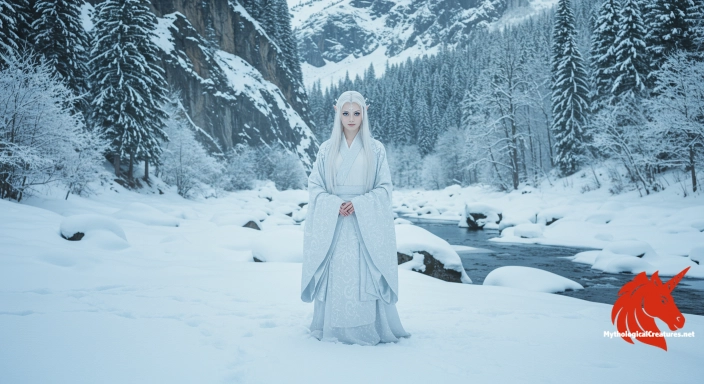
The Mythological Creatures Book Series
Yokai, Greek, Norse, Egyptian & Chinese. Five illustrated field guides to the creatures the old stories either warned or told you about.
Curated by the Mythological Creatures Team
Series editor: Mythological Creatures Directory
Primary desk: Hellenic & Ancient Mediterranean Desk
(rev. November 2025)