
The Cu Bird: The Cu Bird is a mythological creature from Mexican folktales, celebrated for its beautiful plumage and vanity.
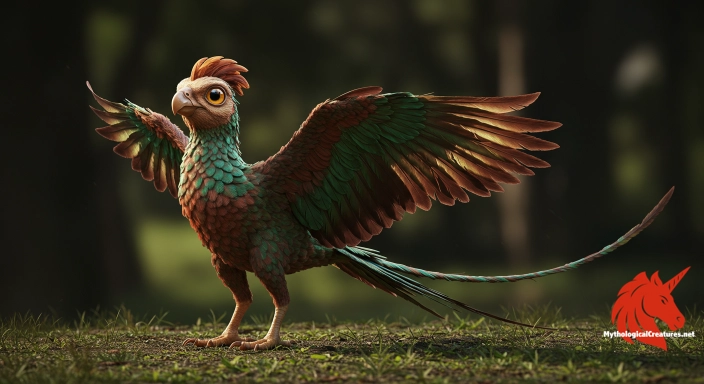
The Cu Bird
The Cu Bird - Embodies a moral lesson on vanity and the repercussions of neglecting one's responsibilities
Origins & First Encounters
The Cu Bird emerges in Mexican folklore as a singular figure symbolising the intricate interplay between vanity and communal duty. Rooted in rich tradition and vibrant oral storytelling, its tale has travelled through generations, evolving with each retelling. It is known by names such as pájaro cu or cú, reflecting its deep cultural resonance across different communities. In one popular narrative, the creature is initially unfashionable until its fellow birds each donate a feather to enhance its appearance. This act of communal embellishment transforms the Cu Bird into a being whose beauty becomes both a blessing and a source of distraction. The narrative skilfully intertwines natural imagery with moral lessons, demonstrating how self-obsession can lead to the neglect of important responsibilities. Its story, whether recounted as a moral parable or an enchanting ballad, serves as a reminder of the delicate balance between personal appearance and public duty. The tale also hints at the unpredictable interplay of fate and community, suggesting that even acts of kindness can carry unforeseen repercussions. With its origins deeply embedded in local myth and tradition, the Cu Bird continues to capture the imagination of those who encounter its story. Its enduring appeal lies in the way it encapsulates timeless themes of pride, accountability, and the transformative power of communal support.
Source Texts & Tale Variants
The multifaceted story of the Cu Bird is preserved through a dynamic mix of oral traditions, folk ballads, and textual recounting. Early versions of the narrative were transmitted orally among local communities, where the story was shared during gatherings and festive occasions. Different versions of the tale have surfaced in regional folklore, each adding unique details that enhance its moral and symbolic depth. One predominant version highlights the role of the barn owl, who initiates the collective decision to bestow a feather on the once featherless bird. An alternative rendition, presented as a lyrical ballad, casts the hoot owl in a pivotal role, thereby shifting the focus of responsibility. The famous Son Jarocho song "El pájaro cu" further immortalises the legend through its musical adaptation, resonating with audiences both young and old. Texts and oral histories alike serve as vital sources that intertwine the myth with evolving cultural mores. The dialogue between different sources reflects how the myth has been adapted to communicate regional values and cautionary lessons. As these varied narratives circulate, they reinforce the importance of collective memory in maintaining the vitality of Mexican folklore. The multiplicity of these sources not only enriches the legend but also highlights the inherent flexibility of oral tradition in preserving cultural narratives.
Form & Powers
The physical portrayal of the Cu Bird is marked by a dramatic transformation that mirrors its underlying narrative of vanity and neglect. Initially described as lacking any natural plumage, the creature’s transformation begins when each bird in the community donates a single feather. This collective contribution creates an intricate mosaic of colours and textures that bestows an almost magical allure upon the Cu Bird. The donated feathers are depicted as shimmering with diverse hues, contributing to an appearance that is both striking and symbolically loaded. In some renditions, the Cu Bird is likened to the russet-crowned motmot, revered for its distinctive crown and vibrant ornamental features. Artistic representations highlight the delicate balance between the natural form of the creature and the elaborate embellishments imposed by its peers. The alignment and arrangement of each feather suggest a deliberate and meticulous design, underscoring the communal effort behind its transformation. Despite its newfound beauty, the bird’s appearance also evokes a sense of burden, as the splendour of its plumage masks the distraction and irresponsibility that define its fate. Its moderate, graceful stature contrasts sharply with the ornate array of feathers, illustrating a tension between natural modesty and artificial grandeur. Through these detailed visual elements, the Cu Bird comes to embody both the power of collective creativity and the perils of excessive vanity.
Regional Faces
The narrative of the Cu Bird displays intriguing regional variations that reflect the diversity of Mexican cultural expressions. In central regions, the tale is often narrated with an emphasis on the moral responsibility of each bird, urging a reflection on communal roles and duties. Coastal communities, meanwhile, tend to infuse their version with lyrical elements, turning the story into a charming ballad that celebrates both beauty and consequence. In the Yucatan Peninsula, the name pájaro cu is sometimes used to refer to the russet-crowned motmot, thereby linking the myth directly to local wildlife. Such adaptations underscore how local fauna and linguistic nuances shape the storytelling process. Variations also appear in the portrayal of key characters; while one tradition focuses on the barn owl’s influence, another assigns a more dramatic role to the hoot owl, each reflecting regional values on trust and betrayal. Festivals and community gatherings often serve as stages for these diverse retellings, ensuring that the myth evolves with its audience. The distinct narrative styles—from somber moral lessons to playful balladic tunes—demonstrate the multifaceted character of Mexico’s oral traditions. As a result, the Cu Bird myth remains fluid and contextually imbued with local colour. This wide array of regional adaptations not only preserves the story’s core message but also enriches it with unique cultural inflections that deepen its appeal.
Cultural Parallels
The myth of the Cu Bird invites a rich comparative analysis with global narratives that explore themes of vanity and accountability. Similar to other cautionary tales, its central message warns against the perils of excessive self-admiration, a theme that resonates with stories like that of Narcissus in classical mythology. Its transformation from a plain creature to an ornately adorned bird parallels metamorphosis myths found in various cultures, where external change often masks a deeper, inherent flaw. Much like the legendary phoenix, the Cu Bird’s narrative also touches on themes of rebirth and loss, albeit couched in the consequences of communal influence rather than personal downfall. Birds as messengers appear in diverse mythologies, reinforcing the idea that creatures of the air often serve as conduits for moral or divine lessons. In Latin American folklore, numerous characters undergo transformations that simultaneously celebrate beauty and caution against complacency. This tension between external allure and internal deficiency is a recurring motif across cultures, highlighting a universal human preoccupation with appearance versus responsibility. While European and Asian traditions might employ different symbolic animals, the core lesson about the dangers of neglecting one’s duties for vanity remains strikingly similar. The Cu Bird thus stands as a vibrant counterpart within a global tapestry of myths that examine the double-edged nature of beauty. Its narrative connects with a wider cultural lexicon, affirming that themes of pride, responsibility, and communal retribution are universally relevant.
Legacy & Modern Evolution
Over time, the legend of the Cu Bird has come to occupy a significant place in Mexican cultural consciousness, evolving in meaning and expression with each retelling. What began as a straightforward moral tale cautioning against vanity now offers broader reflections on identity, community, and the complexity of human desire. Modern artistic interpretations have reimagined the myth through various media, ranging from traditional ballads to contemporary digital art. Local festivals and community celebrations continue to spotlight the story, ensuring that its thematic richness remains accessible to new generations. The Son Jarocho song 'El pájaro cu' stands as a testament to the myth’s enduring appeal, weaving its narrative into the fabric of musical tradition. In academic and folkloric studies, the Cu Bird is frequently examined as an emblem of the dynamic interplay between beauty and duty. Contemporary reinterpretations often merge the old moral lessons with modern concerns about self-image and societal expectation. This ongoing dialogue between past and present illustrates how the myth retains its relevance by adapting to evolving cultural values. The reimagined character of the Cu Bird—from a symbol of careless vanity to a multifaceted cultural icon—demonstrates the living nature of folklore. Ultimately, the legacy of the Cu Bird continues to inspire creative expression and critical reflection, making it an enduring and compelling feature of Mexican mythology.
Interesting Fact
Interestingly, the legend of the Cu Bird presents dual perspectives on blame, reflecting the complexity of communal responsibility and the mutable nature of folklore.
For publishers and studios
Your next readers are already here
Many of our visitors are looking for books, campaigns, and resources that deepen their journey into myth. Position your title or setting here.
Discuss a placementQuick Creature Info
Origin:
Features:
Associations:
Our Mythic Legendary Rating:

Also Sometimes Known As:
Habitat:
Supernatural Powers:
Physical Attributes:
Abilities:
Behavior:
Weaknesses:
Lore:
References
Discover Another Mythical Legend You May Not Have Heard Of?
Uncover the mysteries of ancient folklore and expand your knowledge of legendary beings from cultures around the world.
Dare to Meet the Kigatilik....

Curated by the Mythological Creatures Team
Series editor: Mythological Creatures Directory
Primary desk: Americas & Indigenous Traditions Desk
(rev. November 2025)