
Tikbalang: The Tikbalang is a legendary, half-human, half-horse creature from Philippine folklore known for its imposing stature and equine features.
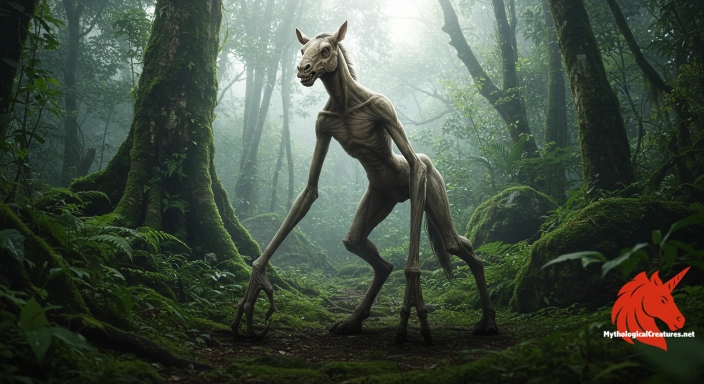
Tikbalang
Tikbalang - Tikbalang is a legendary creature that embodies the fusion of human and animal traits, and is known for leading travelers astray with its mischievous tricks.
Origins & First Encounters
Tikbalang is a legendary figure deeply woven into the fabric of Philippine lore, known for its eerie presence and enigmatic origins. It is traditionally depicted as a half-human, half-horse entity that roams the remote mountains and dense forests of the archipelago. The creature embodies the mystique of the untamed wilderness, emerging from the cultural depths of indigenous belief systems. Early accounts have linked its existence to supernatural forces that both protect and confound travellers, delivering unexpected encounters on lonely roads. Stories often depict Tikbalang as both a guardian and a trickster, a dual identity that reflects the complex interaction between humans and nature. Its first attestation in folklore radiates a sense of awe and caution, being both feared and respected by rural communities. Over time, Tikbalang has grown into a symbol of the mysterious boundaries between the human world and the spirit realm. The creature’s legacy continues to inspire tales that underscore the unpredictable power of nature and the enduring impact of myth on cultural identity.
Source Texts & Tale Variants
The narratives of Tikbalang have been handed down through centuries via oral traditions, local folklore, and sporadic mentions in early colonial documents. Diverse accounts appear in regional anthologies and collected folk tales where the creature’s behaviours and origins are subject to variation. Some versions claim that the Tikbalang is born from an aborted fetus sent from limbo, which adds a layer of tragic mysticism to its origin story. Other stories portray it as an ancient spirit of the wilderness that has gradually taken on human features over time. Various local historians have contributed compilations that blend oral narrative with written tradition, although such records are often fragmented. Tales from isolated villages offer colourful embellishments, suggesting that Tikbalang might be responsible for leading travellers astray or even protecting secret forest paths. In these narratives, the entity is both a test of a traveller’s resolve and a symbol of the unpredictable natural world. The diversity in sources underscores the fluidity of mythmaking in the Philippines, where oral and textual traditions intertwine to create a rich tapestry of supernatural lore.
Form & Powers
Visually, the Tikbalang is distinguished by its striking combination of human and equine features, which creates an unsettling yet fascinating appearance. The creature typically has the head of a horse, complete with a mane that frames a face capable of both mischief and solemnity. Its elongated limbs, which surpass ordinary proportions, give it a lanky, almost skeletal look, with knees that can tower above its head when bent. This formidable stature contributes to a presence that is simultaneously imposing and ambiguous. Artists often depict the Tikbalang as having a bony, almost emaciated frame that adds to its ghostly allure. The hooves, rather than feet, further accentuate its connection to equine symbolism and the wild. Variations in its depiction have led to interpretations where its eyes are portrayed as luminescent, hinting at supernatural insight. Across different accounts, slight modifications in its anatomy and expression serve to underscore the creature’s mercurial nature.
Regional Faces
Regional interpretations of Tikbalang reveal a fascinating spectrum of attributes and roles that adapt to local cultural nuances. In some parts of the Philippines, particularly in rural Luzon, the creature is feared as a malevolent spirit that disrupts the natural order by leading unsuspecting travellers astray. In contrast, other areas consider it a protective guardian of the forest, ensuring that only the deserving can traverse its domain. Variations in the name and descriptive details are common, as local dialects and traditions colour its portrayal distinctly. Some communities even view the Tikbalang as a shapeshifter, capable of assuming human characteristics to interact with people in unexpected ways. This multiplicity of interpretations reflects how the folklore has been absorbed and reimagined across diverse ethnic groups. The creature’s role also extends to cautionary folklore, serving as a reminder of the respect due to the natural environment. Such regional adaptations highlight the dynamic, living nature of myth, where each locale contributes unique insights to a shared narrative.
Cultural Parallels
When considering Tikbalang alongside similar mythological beings worldwide, intriguing parallels and contrasts emerge. Its half-human, half-animal form draws immediate comparison to the centaurs of Greco-Roman lore, although Tikbalang embodies a much more sinister or capricious persona. Unlike the more noble depictions of classical centaurs, the Tikbalang is often portrayed as mischievous and unpredictable, blurring the line between trickster and guardian. Comparable to certain werewolf legends or European satyr myths, its liminal status reflects a deep connection to the wild and the unknown. Cross-cultural comparisons reveal that many societies use hybrid creatures to explain inexplicable phenomena and the perils of venturing into untamed lands. The imaginative synthesis of human and beast elements within Tikbalang lends itself to broader themes of transformation and the dual nature of existence. Such creatures serve to remind us of the complex interplay between human civilisation and the wild, instinctual forces that lie beneath. In this way, Tikbalang is a unique yet resonant echo of a common mythological motif found across diverse cultures.
Legacy & Modern Evolution
The legacy of Tikbalang has evolved significantly from its ancient folklore roots to become a vibrant icon in modern Filipino culture. Historically, the creature represented the mysterious face of nature, a living symbol of the unpredictable forces that shape human existence. Over time, as societal perspectives changed, Tikbalang also found a place in popular media, from literature and cinema to graphic novels and television shows. Modern reinterpretations blend traditional warnings with humour and satire, often casting the creature as a comical or misunderstood figure. While its ominous beginnings continue to evoke intrigue and occasional fear, contemporary narratives have started to explore themes of identity and transformation through Tikbalang. The creature’s image has been commercialised, appearing in artistic representations and local festivals that celebrate Filipino myth and tradition. Its enduring appeal illustrates the ability of folklore to adapt, finding relevance in discussions about nature, cultural heritage, and even modern urban challenges. Today, Tikbalang remains a potent emblem of both the beauty and the unpredictability of the Philippine wilderness, a myth that continues to spark debate and encourage imaginative reinterpretation.
Interesting Fact
Some folkloric accounts suggest that simple acts like reversing one's clothing or employing specific rituals can thwart a Tikbalang's tricks, highlighting the interplay between superstition and folklore in the Philippines.
Mythology commerce, done carefully
Align your store with our global myth audience
If you sell myth-inspired jewellery, prints, decks, or collectibles, we can feature your brand without overwhelming the reading experience.
Partner with usQuick Creature Info
Origin:
Features:
Our Mythic Legendary Rating:

Also Sometimes Known As:
Habitat:
Supernatural Powers:
Physical Attributes:
Abilities:
Behavior:
Lore:
Related Creatures, Tales or Lore
References
Discover Another Mythical Legend You May Not Have Heard Of?
Uncover the mysteries of ancient folklore and expand your knowledge of legendary beings from cultures around the world.
Dare to Meet the Soteria....
-58541ae2-b59d-481e-bf71-cdf0af8cc045_small.webp "Depiction of Soteria")
Curated by the Mythological Creatures Team
Series editor: Mythological Creatures Directory
Primary desk: Asian & Pacific Myth Cycles Desk
(rev. November 2025)