
Tisiphone: Tisiphone is one of the three Furies in Greek mythology, known as the Avenger of Murder.
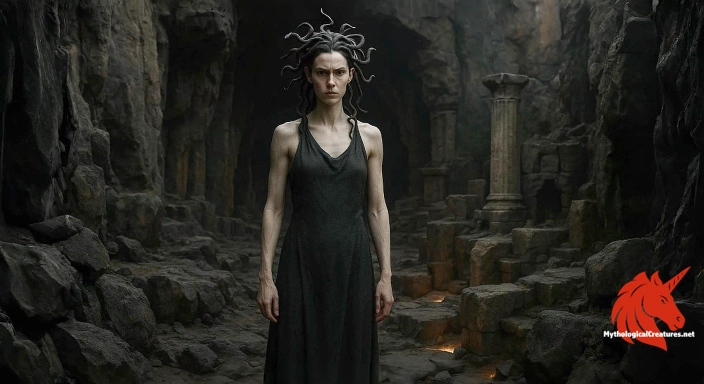
Tisiphone
Tisiphone - Embodies the concept of retributive divine justice in Greek mythology.
Origins & First Encounters
Tisiphone emerges as one of the most compelling figures in ancient Greek myth, revered as the avenger of murder with a presence that struck fear into both mortals and deities. She is traditionally recognised as one of the Erinyes, a triad of relentless deities who pursue transgressions against natural and familial order. Her mythic origins are shrouded in the murk of early cosmogony, potentially born from the primordial forces of divine wrath and the very blood of chaos. Early attestations in ancient literature allude to her role as a custodian of justice, though the details vary across literary fragments and poetic recitations. Tisiphone’s narrative occupies an integral place in the cultural worldview of ancient Greece, where the consequences of impiety and murder were seen as inexorable. Through her relentless pursuit of those guilty of parricide, fratricide, and homicide, she underscored the sacred balance between order and retribution. Alongside her sisters, Alecto and Megaera, her myth reinforces the concept that divine punishment is both inevitable and purifying. The enduring fascination with her character serves as a testament to the cultural weight and continuing allure these ancient symbols of justice carry through the ages.
Source Texts & Tale Variants
Textual sources on Tisiphone span a range of ancient writings, from mythographical compilations to fragments in early tragic plays. Classical authors such as Hesiod and later scholars have alluded to her existence, often intertwining her narrative with broader themes of cosmic retribution. Variations in the extant texts suggest that her myth was transmitted through oral tradition before being immortalised in written form. Diverse narrative strands portray her not solely as a punisher but also as an essential element in the cosmic maintenance of justice. Certain poetic works hint at her dual role in both enforcing the moral order and serving as a grim reminder of the consequences of deviance. Ritualistic accounts, although fragmentary, indicate that local cult practices sometimes invoked her presence during significant civic events. Over time, adaptations of her story introduced subtle shifts in emphasis, reflecting the evolving philosophical and cultural landscapes of ancient Greece. Such textual multiplicity has enriched her mythos, weaving together a complex tapestry of divine retribution and moral certainty.
Form & Powers
Ancient iconography typically presents Tisiphone with a look that commands both dread and awe, embodying a tension between beauty and terror. Her eyes are often depicted as searing beacons, burning with an unyielding determination to mete out divine retribution. In many representations, her hair is rendered in wild, serpentine forms that mirror the unpredictable nature of her justice. The contours of her face are sculpted to evoke an expression of relentless severity, a visage that simultaneously captivates and repels. Artists have portrayed her cloaked in dark, flowing garments which evoke the shadowy realms of the underworld and emphasise her ethereal quality. Her stance and gestures in various artworks symbolically communicate the act of punishment, suggesting both an aura of calm inevitability and dynamic pursuit. Variations in her physique can be observed across regional depictions, sometimes presenting her as imposing and larger-than-life, while other depictions offer a subtler, more human form. Such detailed physical portrayals function as visual metaphors for the profound and often ambiguous nature of divine justice.
Regional Faces
Tisiphone’s character underwent numerous reinterpretations as her myth transcended regional boundaries throughout the ancient Mediterranean. In some Greek city-states, local traditions reimagined her not only as an enforcer of punishment but also as a guardian of the natural order, reflecting local cultural values. Artistic renditions in these regions sometimes highlight distinctive iconographic elements, such as specific symbols or attire, that set her apart from her canonical portrayals. In regions where chthonic deities held greater sway, her affiliation with the underworld was emphasised, aligning her with regional rites and funerary traditions. Her myths sometimes blended with those of other local divinities, thereby creating hybrid narratives that resonated uniquely with local communities. Certain locales framed her vengeance as a necessary counterpart to benevolence, intertwining her role with that of deities overseeing life cycles and rebirth. The varied cultural treatments of her legend underscore the dynamic adaptability of myth, allowing her to evolve in step with regional religious practices. This mosaic of interpretations continues to highlight the multifaceted nature of divine justice as experienced across diverse cultural landscapes.
Cultural Parallels
Tisiphone’s relentless pursuit of moral balance finds echoes in a range of similar mythological figures from other cultures. Her character is reminiscent of the Roman Furiae, who similarly embodied the inexorable fate awaiting those who breached sacred laws. Across different traditions, parallels can be drawn with vengeful spirits and deities whose roles emphasise the inescapable nature of cosmic justice. Figures in Eastern mythologies, though distinct in form, share a common theme of retribution and the moral imperatives that govern human conduct. While her myth is uniquely entrenched in the Greek tradition, the underlying archetype of a punisher who exacts a moral toll can be found in diverse cultural narratives worldwide. Such comparisons reveal an almost universal human preoccupation with ensuring that transgressions do not go unpunished. Even in modern reinterpretations and cross-cultural studies, Tisiphone’s myth serves as a bridge linking ancient ideas of divine vengeance with contemporary explorations of justice. These cultural parallels attest to the enduring nature of her archetypal role as both a harbinger of retribution and a symbol of inevitable cosmic balance.
Legacy & Modern Evolution
The evolution of Tisiphone’s image from an ancient deity to a modern symbol reflects the shifting perspectives on justice and morality over time. Early portrayals grounded in fear and divine wrath have gradually been reinterpreted through the lenses of literature, art, and modern media. Her enduring legacy is evident in the recurring motifs of retribution and moral reckoning that appear in contemporary narratives and visual arts. Modern adaptations often blend classical elements with innovative concepts, reimagining her as a complex figure who bridges the realms of myth and modern ethical discourse. The transformation in her depiction mirrors broader changes in cultural attitudes, where the historical terror of divine punishment is now seen as a dramatic representation of accountability. Creative reinterpretations, especially in films and graphic novels, continue to evoke her image as both a stern arbiter and a misunderstood figure within the mythic tradition. Scholars and enthusiasts appreciate the nuanced layers of her myth, recognising how ancient symbols can retain relevance in modern storytelling. Tisiphone’s legacy, deeply entwined with themes of vengeance and redemption, remains a potent reminder of the timeless struggle between chaos and order.
Interesting Fact
Tisiphone’s name directly translates to 'Avenger of Murder', highlighting the ancient Greek belief that even the gods ensured that heinous crimes would receive their due punishment.
Reach myth fans
Connect your myth-driven brand with this audience
Our readers are writers, educators, gamers, and collectors who care about mythology. Enquire about a limited sponsor placement on creature pages.
Enquire about sponsorshipQuick Creature Info
Origin:
Features:
Our Mythic Legendary Rating:

Also Sometimes Known As:
Habitat:
Supernatural Powers:
Physical Attributes:
Abilities:
Behavior:
Lore:
Related Creatures, Tales or Lore
- AAlecto
- MMegaera
- NNemesis
References
Discover Another Mythical Legend You May Not Have Heard Of?
Uncover the mysteries of ancient folklore and expand your knowledge of legendary beings from cultures around the world.
Dare to Meet the Selkolla....

Curated by the Mythological Creatures Team
Series editor: Mythological Creatures Directory
Primary desk: Hellenic & Ancient Mediterranean Desk
(rev. November 2025)