
Tulpar: Tulpar is a legendary winged horse from Turkic mythology renowned for its symbol of speed and cultural significance.
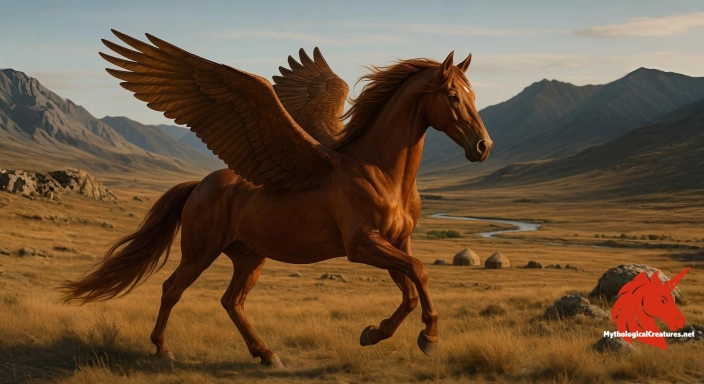
Tulpar
Tulpar - Tulpar is a revered symbol of speed, elegance, and cultural heritage among Turkic-speaking nations.
Origins & First Encounters
The Tulpar emerges as one of the most resplendent creatures in Turkic mythology, embodying not merely the essence of speed but also the celestial grandeur of the steppes. Its origins are interwoven with the ancient traditions of nomadic peoples who revered both horses and birds of prey, merging these elements into a single mythic being. The earliest attestations of Tulpar likely appear in oral epics and traditional folklore where the creature was celebrated as a symbol of freedom and valor. Over time, Tulpar became synonymous with the nobility of its riders, representing the spirit of warriors and traversing the limits of the earthly realm. Its depiction in art and national symbols, notably in the state emblems of Kazakhstan and Bashkortostan, attests to its enduring cultural importance. The mystique surrounding Tulpar is enhanced by its dual nature—both a knightly steed in battle and an elusive spirit of the heavens. The mythical horse occupies a revered place in the collective memory and identity of Turkic-speaking peoples. Its legacy is not only found in ancient ballads but also resonates in modern imagery, continually inspiring narratives of triumph and transcendence.
Source Texts & Tale Variants
Accounts of Tulpar are primarily rooted in the oral traditions that have been passed down through generations among Turkic tribes. While written records are scarce, a variety of folklore compilations and epic poems encapsulate its mystique. There exist several story variants where Tulpar is portrayed as an otherworldly guide, helping heroes in their quests and symbolising divine intervention in human affairs. Some narratives intertwine the horse’s existence with natural phenomena, suggesting that its presence heralded favourable harvests or victorious battles. Early depictions found in ancient rock art and later in medieval manuscripts hint at a rich tapestry of regional tales. Each variant, whether emphasising its celestial attributes or its prowess on the battlefield, highlights different facets of its symbolic power. Diverse cultures within the Turkic world, including the Kazakhs, Uzbeks, and Kyrgyz, have adapted the creature’s lore to reflect local values and historical experiences. These diverse primary sources collectively reinforce Tulpar’s role as a timeless emblem of heroic ambition and spiritual ascendance.
Form & Powers
Tulpar is traditionally envisioned as a majestic steed with an imposing yet graceful build that captures the imagination of those who hear its tale. Its wings, often described as vast and feathered, extend elegantly from its shoulders, suggesting an ability to traverse both land and the celestial expanse. The creature’s coat is frequently portrayed in radiant hues of gold or silver, catching the light in a manner that appears almost divine. Artistic renditions sometimes depict intricate markings along its flanks, symbolising the merging of earthly vigour with heavenly brilliance. Its eyes are imagined to burn with an inner fire, revealing depths of untamed spirit and ancient wisdom. Notably, while the wings serve as a potent emblem of speed and freedom, they are not always literal in their function, instead representing the mystical connection between the earth and the skies. This impressive anatomy is complemented by a flowing mane that seems to ripple like the winds over a vast plain. Variations in the physical depiction of Tulpar may emphasise strength and elegance, ensuring that every portrayal resonates with the creature’s legendary status.
Regional Faces
Across the diverse expanse of Central Asia, the image of Tulpar has been adapted to mirror the local cultural and environmental nuances. In Kazakh traditions, the horse is often depicted with a radiant golden hue and dramatic wings that evoke images of the boundless sky, underscoring its regal status among the steppes. Conversely, in some Kyrgyz and Uzbek traditions, the creature’s appearance is more grounded, with a focus on its connection to the rugged terrain and the natural flow of nomadic life. Certain regional narratives accentuate Tulpar’s role as a divine guardian and a harbinger of success on the battlefield. Local artists have infused their depictions with symbolism that reflects regional colour palettes and stylistic influences, ranging from the intricate designs of Bashkortostan to the bold, sweeping aesthetics of Kazakh art. In some adaptations, Tulpar appears less as a creature of mere legend and more as an integral spirit of the land, embodying the aspirations of communities that depend on the natural world. Its portrayal in local festivals and cultural exhibitions further underscores this dynamic, with each community adding its own embellishments to the mythos. Such regional variations not only highlight the flexibility of the Tulpar myth but also celebrate the rich tapestry of Turkic cultural identity.
Cultural Parallels
The myth of Tulpar finds interesting parallels in similar legendary steeds from various cultural traditions, most notably the Greek Pegasus, which also symbolises noble heroism and the melding of natural and celestial realms. Both creatures epitomise the motif of winged horses that, transcending ordinary physical limitations, bridge the gap between human endeavour and divine forces. In addition to Pegasus, the Arabian Buraq shares comparable attributes, merging the terrestrial with the ethereal in narratives surrounding prophetic journeys and spiritual ascension. Comparisons have also been drawn between Tulpar and certain mythical horses in Celtic lore, where equine figures are celebrated as both protectors and harbingers of mystery. Despite the differences in cultural context, each of these creatures serves as a metaphor for untamed freedom and the extraordinary potential within every spirit. Analysing these analogous legends reveals a shared human fascination with the idea of transcendence and the quest for unbound freedom. The cross-cultural connections underscore a universal admiration for the dynamic interplay between nature and the supernatural. Ultimately, Tulpar stands as a prominent example of how mythological themes can traverse geographical and cultural boundaries to symbolise ideals that resonate across civilizations.
Legacy & Modern Evolution
Over the centuries, Tulpar has evolved from a figure of ancient oral tradition to a potent symbol in modern national identities and cultural narratives. Where once the legendary steed roamed the imaginations of nomadic warriors, it now holds a revered place in the iconography of modern states like Kazakhstan and Bashkortostan. In artistic circles, Tulpar has inspired a resurgence of interest, with contemporary artists reinterpreting its mythos through painting, sculpture, and digital media. This evolution from folklore to modern emblem reflects a broader trend of reclaiming and celebrating indigenous mythologies in a globalised world. Modern depictions frequently incorporate elements of innovation, blending traditional symbolism with cutting-edge design to resonate with today's audiences. Tulpar is celebrated not only for its past significance but also for its role in fostering national pride and cultural continuity. Its widespread appearance on emblems, stamps, and public monuments serves as a reminder of the enduring human fascination with the heroic and the mythical. As communities continue to weave new layers into the creature’s narrative, Tulpar remains a timeless icon that symbolises both a storied past and a hopeful, ever-evolving future.
Interesting Fact
An interesting observation about Tulpar is that its wings, though primarily symbolic, have had a profound impact on the visual identity of Central Asian national emblems and folklore.
Limited sponsor opportunity
One slot, carefully chosen partners
We only feature a small number of relevant sponsors at any time. If you create serious myth content, we would like to hear from you.
Partner with usQuick Creature Info
Origin:
Features:
Associations:
Our Mythic Legendary Rating:

Habitat:
Supernatural Powers:
Physical Attributes:
Abilities:
Behavior:
Lore:
References
Discover Another Mythical Legend You May Not Have Heard Of?
Uncover the mysteries of ancient folklore and expand your knowledge of legendary beings from cultures around the world.
Dare to Meet the I'wai....

Curated by the Mythological Creatures Team
Series editor: Mythological Creatures Directory
Primary desk: Asian & Pacific Myth Cycles Desk
(rev. November 2025)