
Werecat: The werecat is a mythological feline therianthrope analogous to the werewolf.
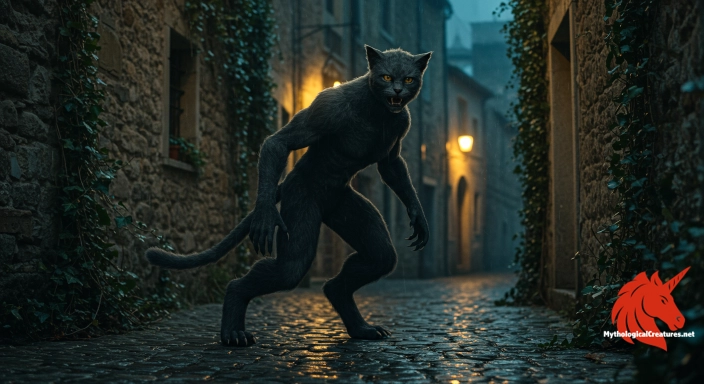
Werecat
Werecat - Embodies the duality of human nature and animalistic instincts; serves as a symbol of the untamed wilderness within.
Origins & First Encounters
Werecats captivate the imagination with their uncanny ability to traverse the boundaries between humanity and the wild realm of big cats. Originating in myths that intertwine human ambition with animal instinct, these beings embody both grace and ferocity. Their earliest attestations emerge in scattered regional narratives where the mystique of metamorphosis plays a significant part. Embedded deeply in cultural stories across diverse lands, werecats evoke a sense of wonder balanced by a hint of trepidation. They have come to symbolise untamed passion and the eternal conflict between civilisation and primal impulse.
Stories of these feline shapeshifters have circulated through oral traditions and obscure historical records over many centuries. The lore is steeped in themes of love, loss, and the complex journey of reconciling disparate identities. This mythic creature invites reflection on the unpredictable nature of the wild and the allure of unbridled freedom. The continuing fascination with the werecat lies in its power to represent the dormant, beastly side of the human soul.
Source Texts & Tale Variants
Ancient manuscripts and local oral traditions, though limited in number, reference mysterious feline shapeshifters that predate more widely known accounts such as those of werewolves. Medieval bestiaries occasionally include cryptic entries hinting at figures endowed with both human intellect and the prowess of a wild cat. Local records from remote villages in parts of Europe describe these beings as shadowy presences that roam the countryside under the veil of night. Some accounts serve as cautionary tales, warning of the perils hidden within nature’s depths. These early sources reflect communities attempting to explain unexplained phenomena through the magic of transformation.
Narratives emerging from various cultural backgrounds provide nuanced variations in the werecat’s characteristics and the rituals of its transformation. In some interpretations the creature is cast as an enigmatic guardian, while alternative versions portray it as a disruptive force challenging established order. Such variants reveal how local superstitions and environmental influences shape its myth. Excerpts from little-known manuscripts exhibit storytelling techniques that blur the lines between natural wonder and mythic symbolism. Together, these accounts enrich the tradition of the werecat, underscoring its adaptability to shifting cultural landscapes.
Form & Powers
The werecat is typically envisioned with a sleek, powerful build that mirrors the elegance of wild leopards and panthers. In its fully transformed state, the creature boasts a lustrous coat of fur, its colour shifting from deep midnight black to warm, burnished tawny tones. Eyes described as luminous and penetrating convey both human awareness and predatory instinct. Prominent feline features such as acutely sensitive ears and retractable claws add to its formidable presence. This robust musculature and agile frame underscore an embodiment of both predatory efficiency and an enigmatic allure.
Subtle vestiges of its dual nature are often evident even in human guise, where hints like slightly pointed ears or a faint trace of fur betray its inner beast. The transition between forms is depicted as remarkably fluid, blending human features with animalistic traits in an almost seamless manner. Artistic renderings capture this transient state with meticulous detail, inviting viewers to discern whether man or beast prevails. Size depictions vary from a lithe, graceful panther-like form to a more imposing feline figure reminiscent of nature’s apex predators. Every minutiae—from the delicate arch of its whiskers to the sinewy tension in its limbs—contributes to an overall impression of exquisite beauty fused with latent danger.
Regional Faces
European traditions often portray the werecat as a creature of the deep woods, its presence intertwined with the ancient rhythms of nature and the cycles of the moon. In Iberian narratives, this being is depicted with an emphasis on local enchantment and rural mysticism, blending seamlessly with age-old tales of magic. Mediterranean accounts sometimes show the werecat as an elusive guardian, quietly roaming the twilight countryside. In contrast, Middle Eastern stories endow the creature with additional layers of enigmatic allure and an almost mystical authority. These early versions, influenced by the surrounding landscape and cultural sentiments, reflect a fluid interpretation of feline mystique.
African oral traditions also incorporate a similar figure, frequently intertwining the werecat with ancestral spirits and sacred rites. South Asian narratives, meanwhile, highlight elements of both ferocity and unexpected compassion, resonating with local beliefs in cyclical rebirth and transformation. Select Pacific cultural stories recount versions in which the creature plays a pivotal role in maintaining the balance between order and chaos. Each regional adaptation colours the werecat myth with distinct local nuances, from environmental features to traditional values. Collectively, these variations underscore how geographical and cultural influences continuously reshape the creature’s legendary identity.
Cultural Parallels
The werecat shares thematic commonalities with other renowned shape-shifters, most notably the archetypal werewolf, revealing a universal exploration of human–animal duality. East Asian traditions, with creatures such as the bakeneko, reflect a similarly eerie fascination with feline transformations and nocturnal mystique. Latin American lore, which often celebrates jaguar spirits and mystical panther figures, constructs parallels through narratives of both beauty and raw power. Even ancient Roman mythology made room for feline-inspired deities, reinforcing the longstanding allure of hybrid beings. These cultural parallels serve to highlight a pervasive symbol—the blurring of lines between civilisation and the untamed, instinctive realm.
This cross-cultural narrative embraces the transformation from human to animal, a motif that resonates deeply within a wide spectrum of mythologies. Such comparative analysis uncovers the universal appeal of merging intellectual subtlety with the primal force of nature. The common motifs of inner conflict, dual identity, and the tension between restraint and wild abandon further connect werecats with global shape-shifter legends. Interwoven with local traditions, these shared themes enrich portrayal and understanding of the werecat. Ultimately, these intertextual connections elevate the creature’s status from a regional oddity to a truly global emblem of metamorphosis.
Legacy & Modern Evolution
Over time, the image of the werecat has shifted from a marginal creature in obscure local tales to a vibrant symbol within modern myth-making. Early depictions painted it with an air of caution and mystique, mirroring local superstitions and the capriciousness of nature. During the Romantic era, the werecat emerged as a symbol of the dormant wild spirit and emotional complexity, reflecting a deep undercurrent of inner turmoil. Literary works gradually transformed the creature into a nuanced character, marked by both danger and a poignant sense of isolation. This evolution mirrors broader cultural transitions, where supernatural beings are recontextualised to speak to contemporary sensibilities.
Modern portrayals in film, literature, and digital media have further expanded the narrative around the werecat, merging traditional mysticism with modern existential quests. Contemporary adaptations often delve into the internal struggle between humanity and the latent animal within, rendering the myth both timeless and resonant. Urban fantasy settings and subcultural art continue to embrace the werecat as a complex emblem of defiance, transformation, and identity. As artistic interpretations evolve, the werecat remains a potent metaphor for the tension between order and the untamed forces of nature. In this way, the enduring legacy of the werecat highlights an ever-relevant dialogue between transformation, self-discovery, and the eternal allure of the wild.
Interesting Fact
Unlike the more widely recognized werewolf, werecats offer a unique blend of feline grace and brutal predation, reflecting the mystique of both human and animal realms.
For serious myth projects
Feature your work alongside the legends
From academic works to story-rich games, we highlight projects that respect world mythologies. Talk to us about a measured, long-term placement.
Start a conversationQuick Creature Info
Our Mythic Legendary Rating:

Also Sometimes Known As:
Habitat:
Supernatural Powers:
Physical Attributes:
Abilities:
Behavior:
Weaknesses:
Lore:
Related Creatures, Tales or Lore
- WWerewolf
- WWeretiger
- WWereleopard
References
Discover Another Mythical Legend You May Not Have Heard Of?
Uncover the mysteries of ancient folklore and expand your knowledge of legendary beings from cultures around the world.
Dare to Meet the Nongshāba....
Curated by the Mythological Creatures Team
Series editor: Mythological Creatures Directory
Primary desk: Hellenic & Ancient Mediterranean Desk
(rev. November 2025)